The Problem
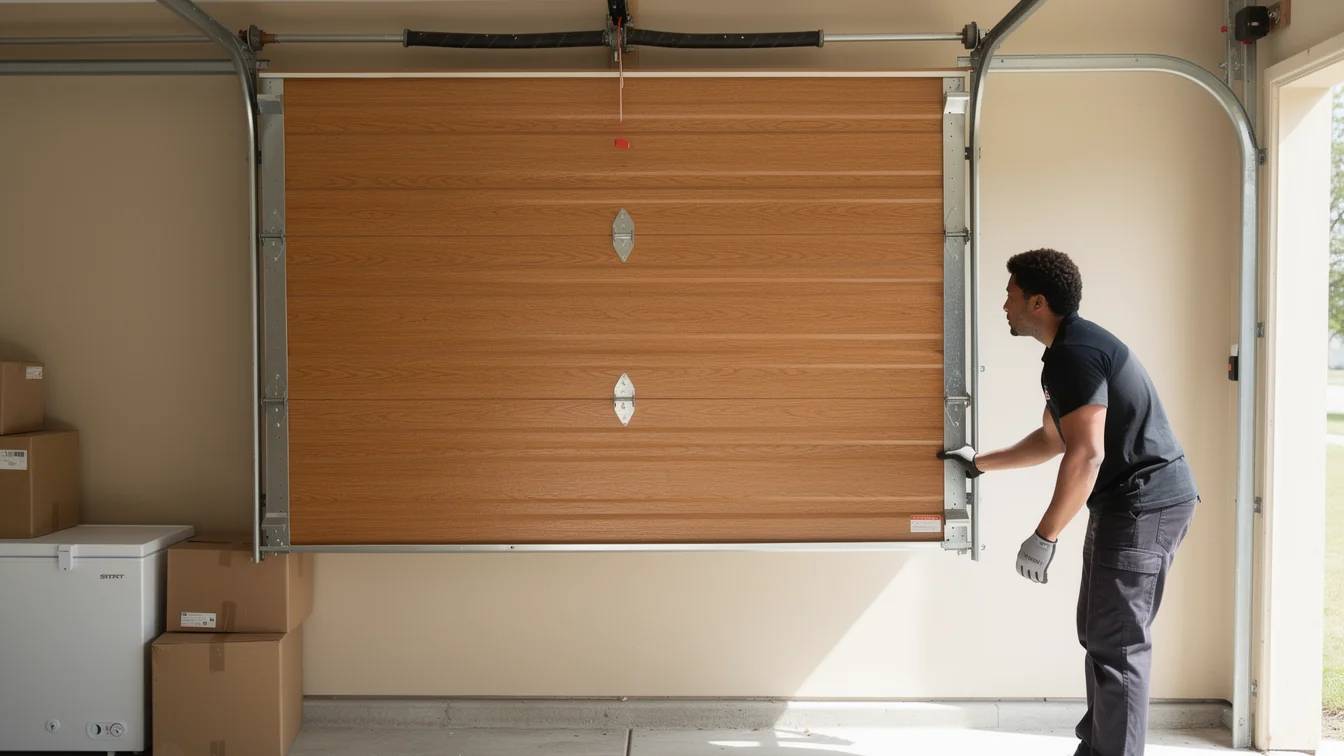
Most of the houses in this service area went up between 1938 and 2004, with the heaviest cluster landing in the 1960s and 70s. That matters when you're shopping for a replacement because a lot of garages out here still have the opener, track, and rough opening sized to whatever the builder put in fifty-some years ago. Standard door sizes have shifted since then, and so has hardware. A torsion spring bracket from a 1968 build doesn't always bolt up to a 2024 door without an adapter plate, and some openings run an inch or two off today's standard width. We see this constantly across the 53 named areas in the region, from the older blocks near Uptown out through Camp Hill and Lemoyne. You can't just order 'a 16 by 7' and assume it drops in clean. Someone needs to measure the actual opening, check the track radius, and confirm whether the header has room for a modern spring system before you pick a door off a brochure.
What Changes With the Season
This area sits in a cold, severe climate band, and that changes what a door has to do for six or seven months of the year versus the rest. In winter, steel contracts, grease stiffens, and torsion springs that were tensioned in October can feel noticeably heavier to lift by January. Weatherstripping that sealed fine in summer shrinks and lets a draft through at the bottom panel. Come spring, the same door expands back and the opener's force settings that felt right in the cold can suddenly seem too aggressive, slamming the door down harder than it should. None of this is dramatic, but it's why a door that gets serviced once and ignored tends to develop small problems that show up only in the cold months - a slow-to-close door, a spring that sounds different, a bottom seal that whistles. If you're buying new, this is the argument for insulated panels and a cold-rated opener rather than whatever's cheapest on the lot.
What to Look At First
Start with the age of the house, not the age of the door - a lot of owners replace the door and leave 1970s track and springs in place, which just moves the weak point. If your home falls in that common 1960s-70s band for this area, assume the track is the original gauge and ask whether it's rated for a heavier insulated panel before you commit to one. Next, look at the opener. A door bought today is often thicker and heavier than the single steel panel it replaces, and an older opener may not have the lift capacity or the travel sensors modern code expects. Third, check the header clearance - older framing sometimes leaves less headroom than current torsion spring kits need, which can mean a low-headroom conversion adds to the job. Last, be honest about the insulation value you actually need given the cold winters here versus what you're paying extra for. A double-layer steel door with a reasonable R-value covers most of what this climate demands; you don't always need the top-tier model to get a door that performs.
What the Weather Here Does to It
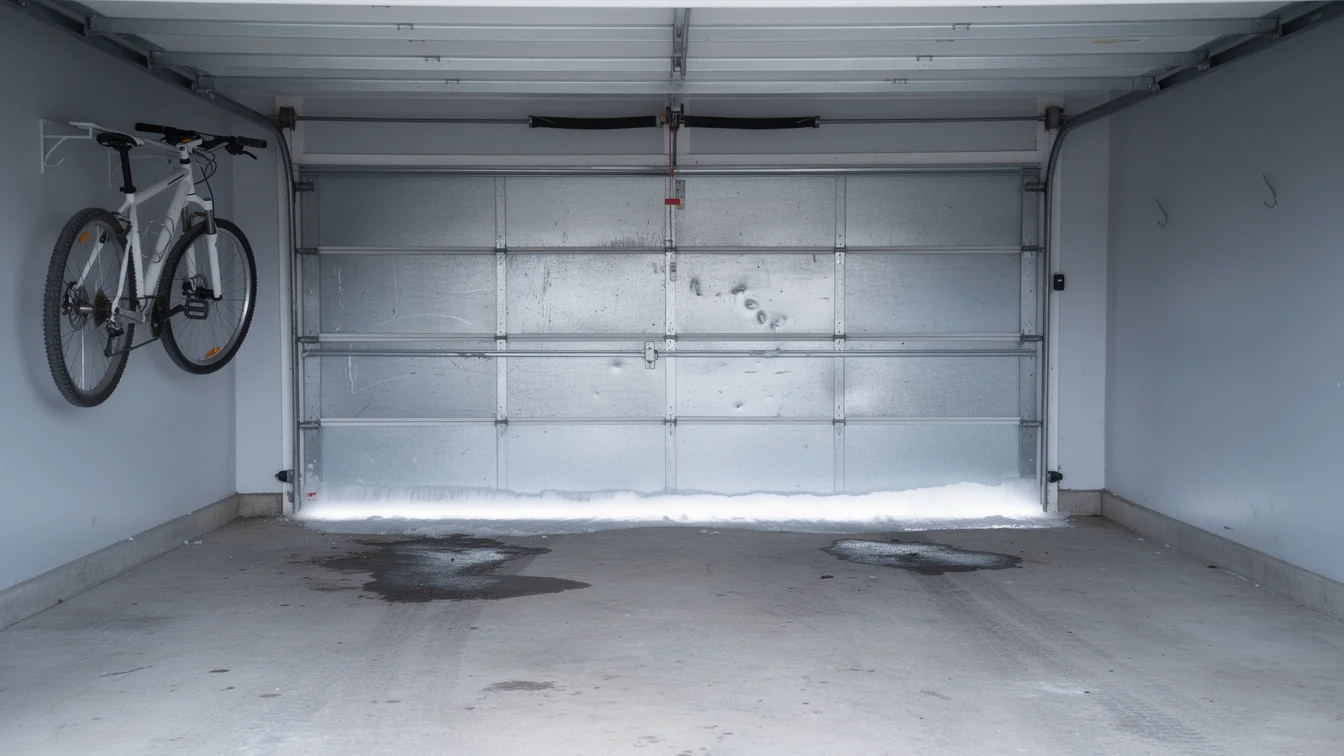
Cold-severe winters are hard on the metal parts of a garage door before they're hard on the panels themselves. Torsion springs lose a little flex in sustained cold, which is part of why a door can feel heavier to lift by hand in February than it did in August - the spring isn't giving back quite as much force. Track alignment that was fine when it was installed can tighten up slightly as steel contracts, which is when you start hearing a rub or a scrape that wasn't there before. Uninsulated doors also take a condensation hit here: warm, moist garage air meets a cold steel panel and you get moisture beading on the inside, which over years can start rust at the bottom panel seams. That's one reason insulated doors hold up better long-term in this climate than single-layer steel, even where code doesn't require it. One limitation worth saying plainly: insulation helps with comfort and condensation, but it won't fix a door that's out of balance or running on a worn cable - that's a hardware problem no amount of foam core solves.
Talk to a local pro
Garage door trouble in Harrisburg?
Same-day service with honest, upfront quotes.