The Problem
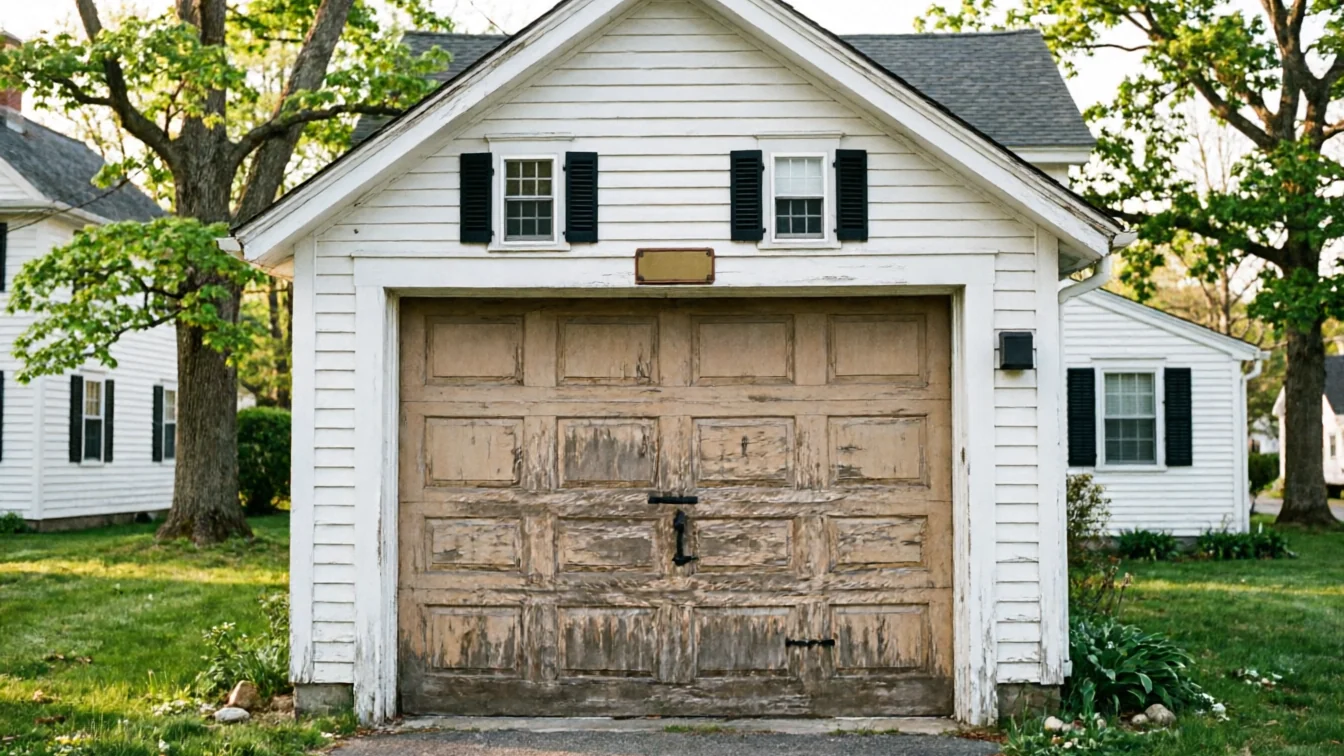
A garage door that's starting to make noise isn't being dramatic - it's reporting a fact. Most houses within a few miles of here, from Lemoyne to Camp Hill to Enola, went up between 1938 and 2004, with the typical build year landing right around 1970. That means a lot of the torsion springs, trolley hardware, and track brackets doing the work every day are original, or close to it. Steel fatigues. Grease dries out. Bolts back off a quarter turn at a time over fifty winters. None of that announces itself until the door starts talking - a squeal on the way up, a thud partway down, a grinding that wasn't there last month.
We're not going to tell you every noise means a $400 repair. Some are a fifteen-dollar can of the right lubricant. But on a door this old, in a house this old, the odds that it's "nothing" go down every year. The honest answer is we can't tell you which from a phone call - a torsion spring losing its temper sounds a lot like a roller that just needs grease, right up until the spring lets go. That's the one we ask you to let us look at in person before you keep opening the door.
What Changes With the Season
Harrisburg sits in a cold-severe climate band, and that matters more to a garage door than most people think. Grease that moves fine in September stiffens hard by December. A torsion spring under tension behaves differently at 15 degrees than it does at 65 - the steel contracts, the coil binds slightly tighter, and the opener has to work harder to get the same lift. That's usually when a door that's been quiet all year suddenly isn't.
Rollers are often the first giveaway. Nylon rollers with worn bearings get louder as the grease inside them thickens in the cold, and steel rollers on older track systems will squeal as the metal-on-metal contact loses what little lubrication it had. If your door has gotten noticeably louder or slower to open in the last month and nothing else changed, the season is probably the trigger, not a sudden failure. That doesn't mean ignore it - it means the underlying wear was already there, and the cold is just the thing that made it audible.
What to Look At First
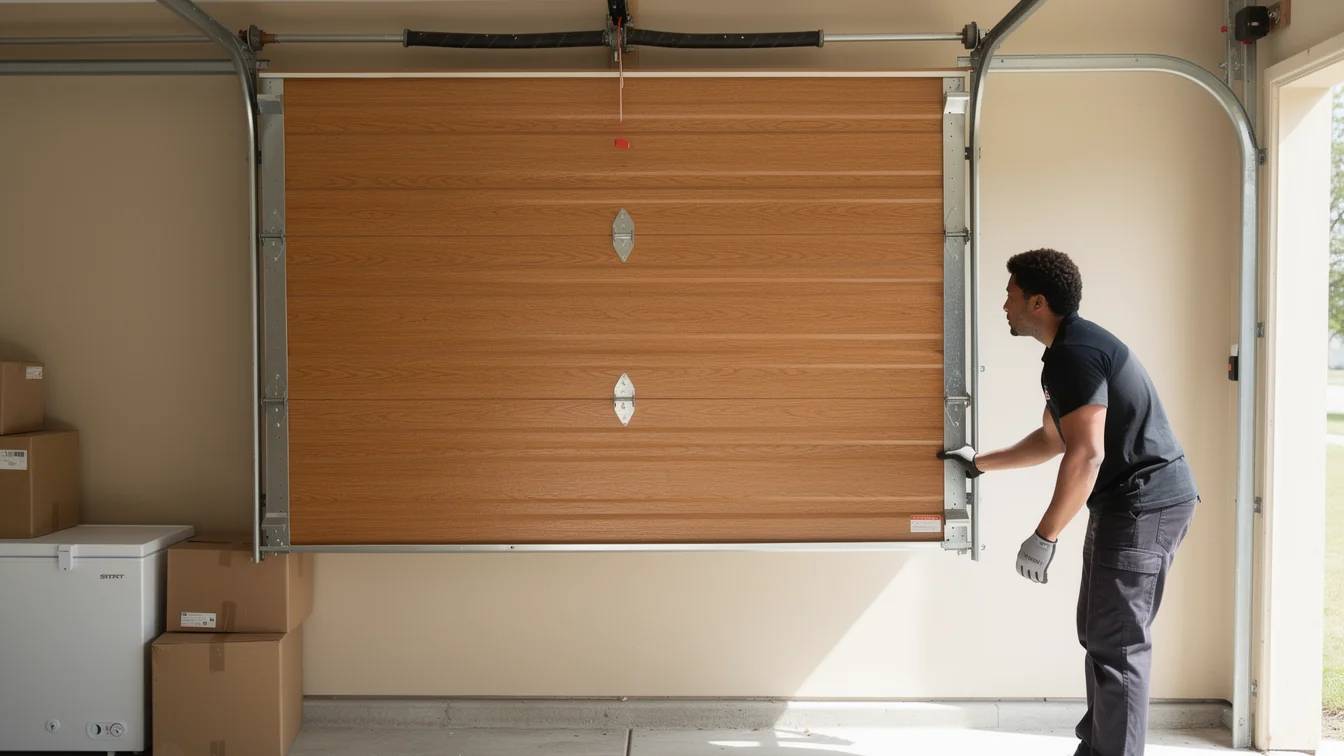
Before you call anyone, there are a few things worth a flashlight and two minutes. Look at the rollers where they sit in the track - on a door from the 1960s or 70s, which describes a lot of the stock in this area, those are often the original steel rollers, and you'll see flat spots or rust pitting if they're on the way out. Check the hinges between panels for metal shavings underneath them, a sign the pivot points are wearing through. Look at the bottom bracket where the cable attaches - frayed cable strands there are not a wait-and-see item.
Listen for where the sound happens in the cycle. A noise only on the way down, right before the door seats, often points to the bottom rollers or the track alignment near the floor. A noise at the top, right as it reverses, more often points to the spring or the pulley system up near the header. That location matters more than the sound itself when it comes to figuring out what's actually wearing out underneath it.
What the Weather Here Does to It
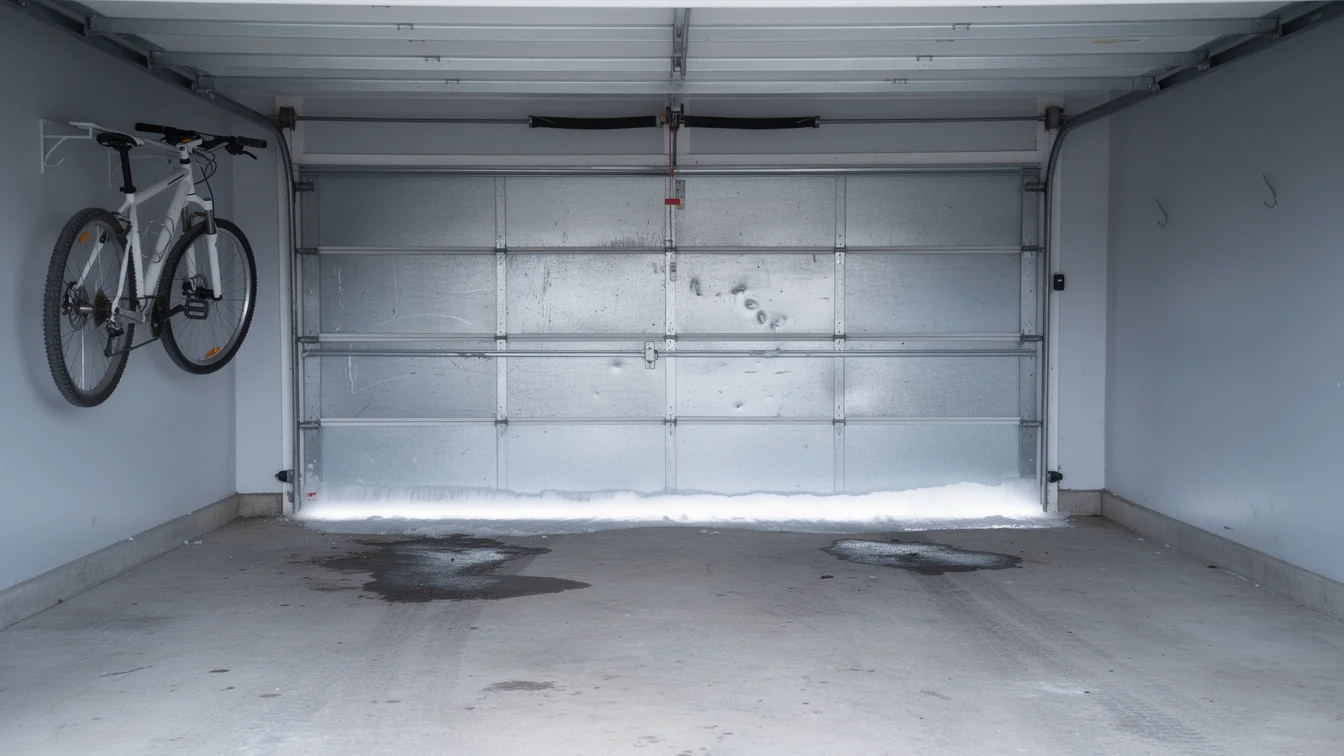
Cold-severe winters don't just stiffen grease - they drive a freeze-thaw cycle that's hard on hardware that's already marginal. Moisture that gets into a hairline crack in an old roller or a worn hinge pin freezes overnight, expands, and widens that crack a little more. Do that for a few dozen cycles over a winter and a part that was fine in October can fail in February without warning. That's usually the door that goes from
Talk to a local pro
Garage door trouble in Harrisburg?
Same-day service with honest, upfront quotes.