The Problem
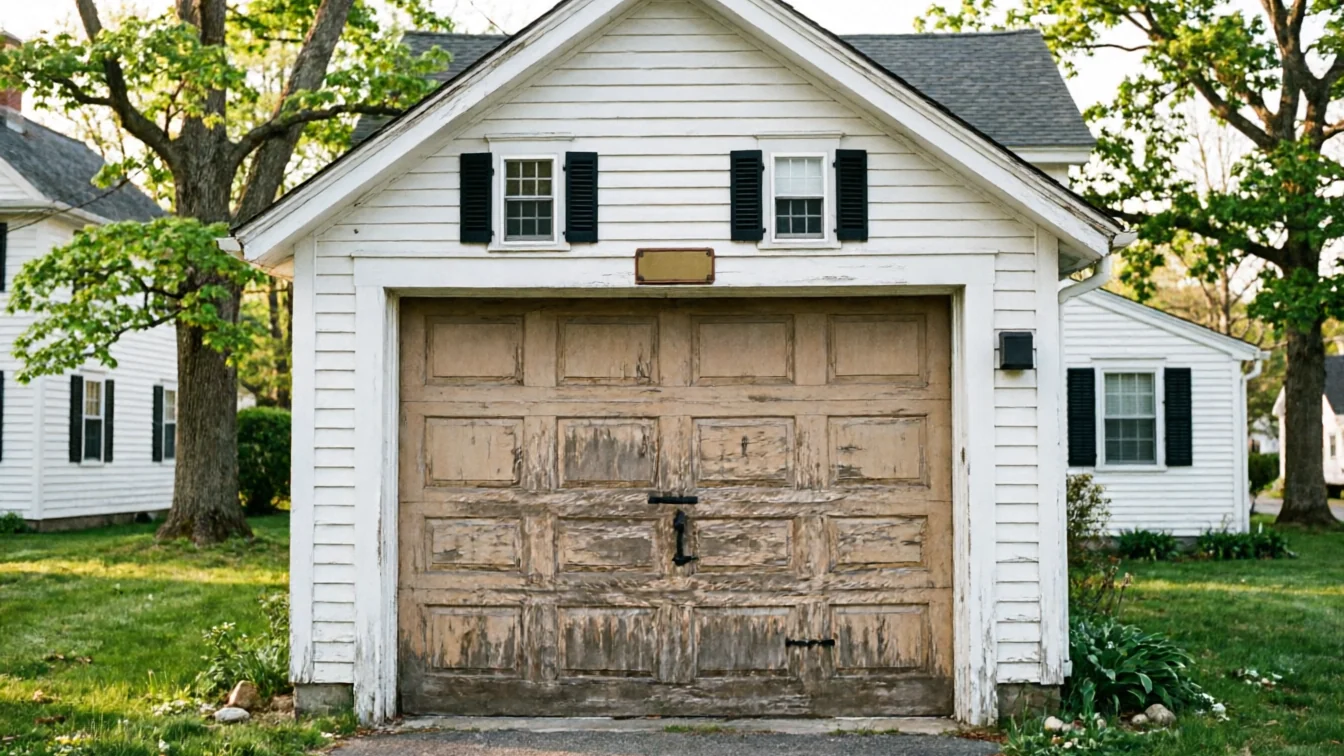
Most calls start the same way: a door that worked fine in September is sticking, groaning, or refusing to close by December. Around here that's not bad luck, it's the building stock talking. Housing across this service area was built mostly between 1938 and 2004, with the median landing around 1970, and the bulk of it - across the 53 named areas we cover, from Uptown a mile out to Hershey thirteen miles east - went up during that 1960s-70s building wave. That means a lot of garages still running original or first-replacement hardware sized for doors that are now 50-plus years old. Springs lose tension gradually, tracks hold decades of small shifts in the slab, and openers from a later retrofit don't always match the door weight they were bolted to. When a homeowner tells me "it just started doing this," it usually didn't - it was drifting for a year and the cold finished the job. The fix starts with knowing what's actually original to the house versus what's been swapped once already, because those two doors fail differently.
What Changes With the Season
A door that worked at 70 degrees will behave differently at 20. Steel panels contract, lubricant thickens, and any slack in a cable or hinge that was invisible in summer shows up as noise or binding the first hard cold snap. In a severe cold climate band like this one, that swing isn't occasional - it's every winter, reliably, and it hits hardest on doors installed before modern weatherstripping and insulated panel standards became common. Older single-layer steel doors, common in the 1960s-70s stock across this area, flex more in the cold and put more strain on rollers and spring coils that are already decades old. Openers struggle too: a motor sized correctly for a door at room temperature can bog down lifting the same door when the grease inside the opener gears has stiffened. None of this means the door is broken. It means the margin for error that existed in July is gone by January, and small problems that were tolerable become ones that strand a car in the driveway.
What to Look At First
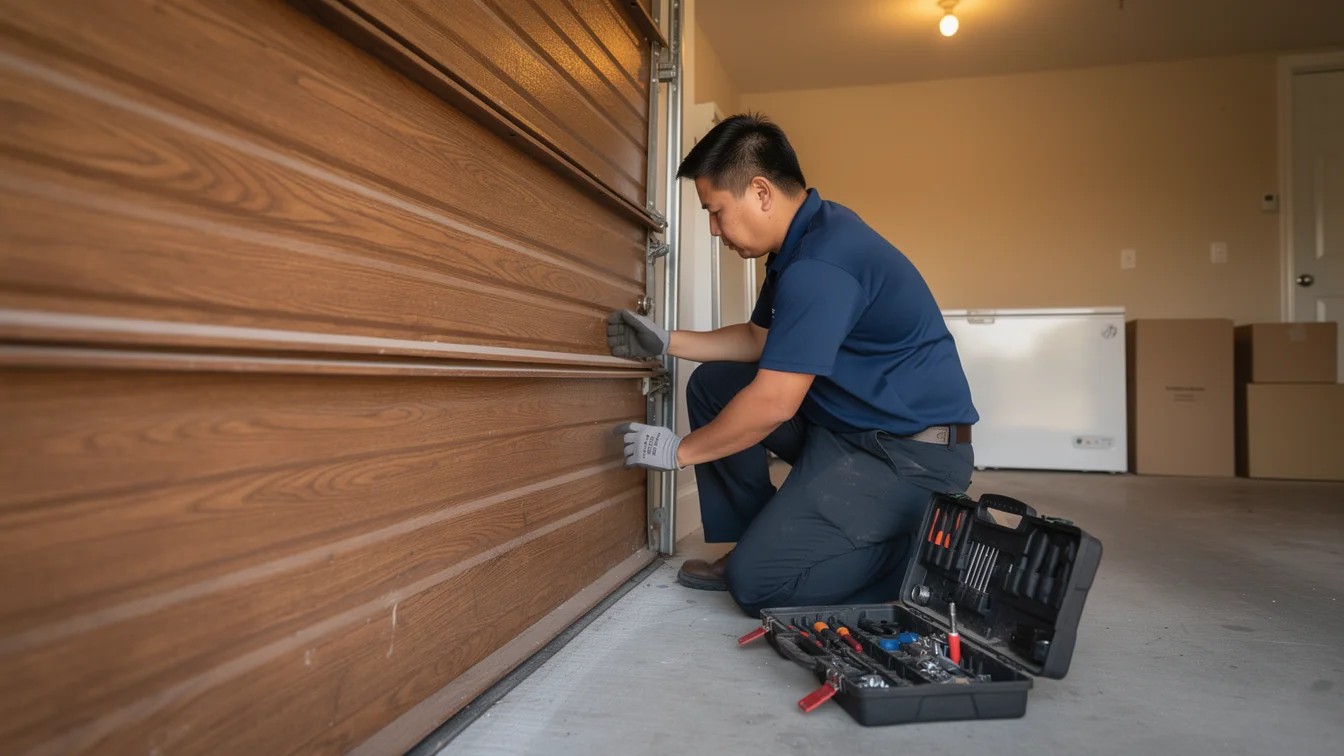
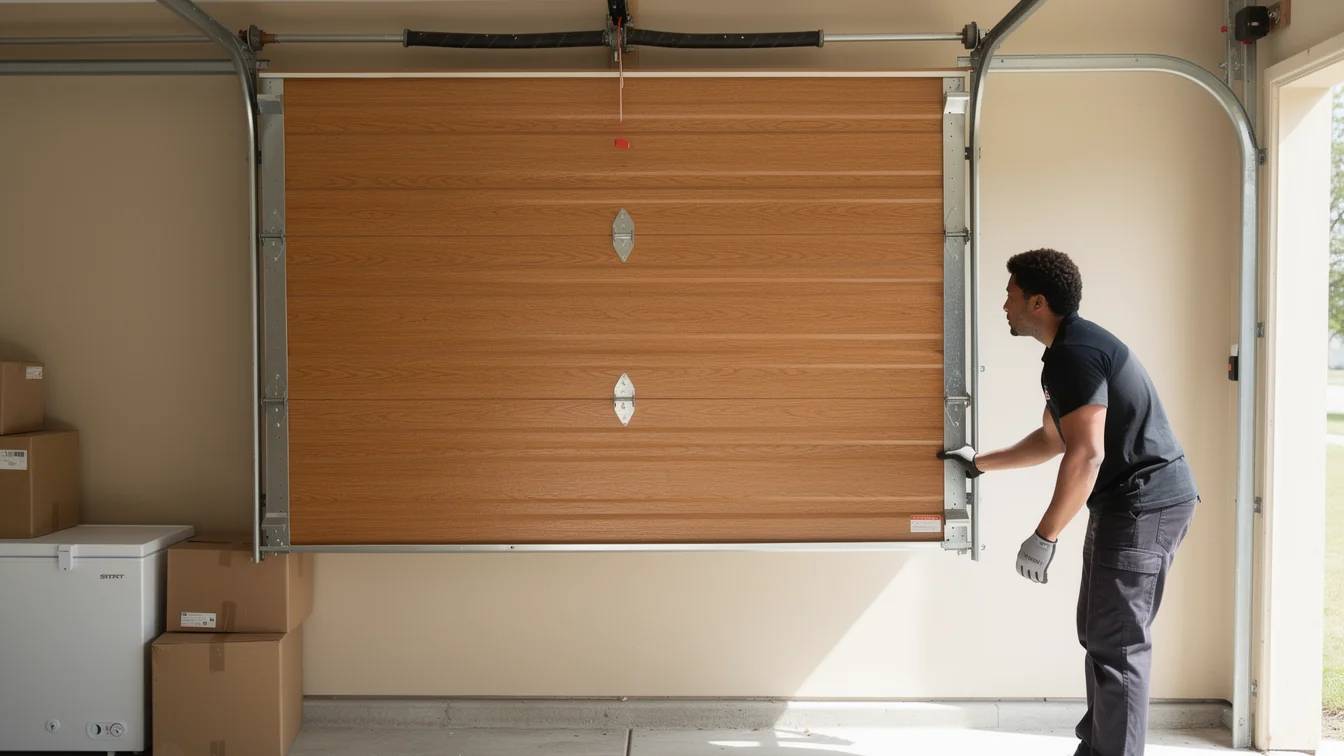
Before touching a spring or opener, I look at what the house itself tells me. A build date in the 1960s-70s range means I'm expecting galvanized torsion springs rated for a lighter door than today's insulated panels, so I check spring wind count against door weight before assuming the opener is underpowered. Next is the track - on houses from that era the track is often bolted to original wood jambs that have shifted slightly over 50-plus years, so I check plumb before I check rollers. Then cables, since original or first-generation replacement cables on a door this age are due regardless of symptoms. Only after that do I look at the opener itself, because on a lot of these houses the opener is a later addition and not the same age as the door - mismatched age between door and opener is one of the most common root causes I find on calls across this area. I'll say plainly: if the springs are original to a 1960s build, I'm not tuning them, I'm replacing them. Tuning a 50-year-old spring is a false economy and not something I'll bill for.
What the Weather Here Does to It
Severe cold does two specific things to a garage door, and both show up on these calls. First, it stiffens lubricant on rollers, hinges, and the opener's drive gear, which raises the load on everything downstream - the spring works harder to lift a door that's dragging slightly, and a marginal spring fails sooner than it would in a mild climate. Second, cold contracts steel, which can pull a panel door's seals away from the frame just enough to let wind through, and on houses built before current weatherstripping became standard, that gap was often never sealed to begin with. I see this pattern across the area - from Lemoyne and Wormleysburg two miles out to Camp Hill and New Cumberland three miles beyond - where a lot of the housing shares that same 1960s-70s build window and the same exposure to a hard winter. It's not a defect specific to any one street, it's what this climate does to doors of this age, year after year.
Talk to a local pro
Garage door trouble in Harrisburg?
Same-day service with honest, upfront quotes.