The Problem
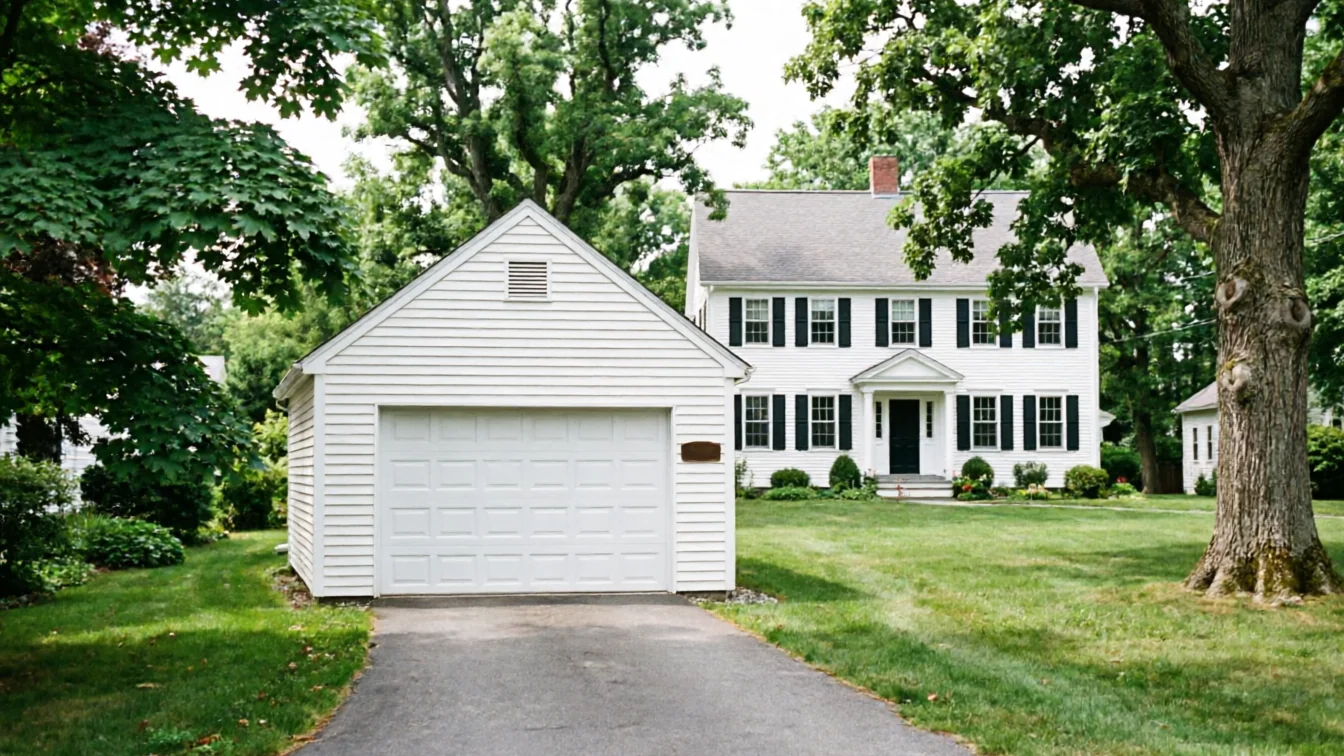
Walk through the older blocks near Uptown or out toward Lemoyne and Lower Allen and you'll see both setups side by side: a detached single-car garage set back from a 1940s cape, and an attached two-car bay bolted onto a 1970s split-level. The door hardware doesn't care what the house looks like, but the structure around it changes everything about how that door ages.
An attached garage shares a wall and often a slab with the house. It picks up a little ambient heat in winter, which keeps the torsion spring and rollers from seizing as hard. A detached garage out at the back of the lot gets none of that. It's its own unheated box, fully exposed on four sides, and in a service area where most of the housing stock went up between 1938 and 2004 with a median build year around 1970, a lot of those detached structures still have the original steel jambs and door tracks that were never built with insulation in mind.
The practical problem: the same spring, lubricated the same way, lasts differently depending on which kind of garage it's holding up. Owners who treat both the same get surprised by a seized detached-garage door on the first real cold snap.
What Changes With the Season
In an attached garage, the door is the thermal boundary between a heated house and the outside, so it works through a swing of indoor warmth on one side and outdoor cold on the other. That differential is what cracks weatherstripping and loosens track bolts over a winter in a cold-severe climate like this one.
A detached garage doesn't have that differential. Both sides of the door are outside air, so the stress is more uniform but the cold hits harder and longer, since there's no leaked house heat buying the hardware any grace. On a detached door you'll see grease stiffen and rollers bind sooner in a cold spell than on an attached door of the same age and brand.
Across the 53 named areas that make up this stock of housing built mostly in the 1960s and 70s, detached garages tend to be the older of the two types, often predating the attached two-car garage that became standard on later builds. That means the detached door is frequently also the older door, compounding the seasonal stress with age.
What to Look At First
On an attached garage, start at the wall seal where the door frame meets the house. That's the spot most exposed to the indoor-outdoor temperature swing, and on houses from the 1970s median build year, the jamb seal is often original and brittle. Press it; if it cracks rather than flexes, it's past its working life.
On a detached garage, start at the spring and the bottom bracket instead. With no shared wall to buffer temperature, the spring sees the full daily swing and the bottom bracket corrodes faster if the slab wasn't poured with a proper drainage slope, which was common on older detached structures from this era.
Either way, don't skip the track bolts. Houses built before building codes tightened later in the century often have tracks bolted directly to wood framing rather than reinforced studs, and that's true of a good share of the service area's older stock. Loose bolts show up as a door that shudders on the way up rather than gliding.
What the Weather Here Does to It
This area sits in a cold-severe climate band, and the gap between attached and detached garages is really a gap in how much of that cold the door absorbs directly. An attached door borrows warmth from the house and softens the swing. A detached door takes the full hit, every time, with nothing between the steel and the outside air.
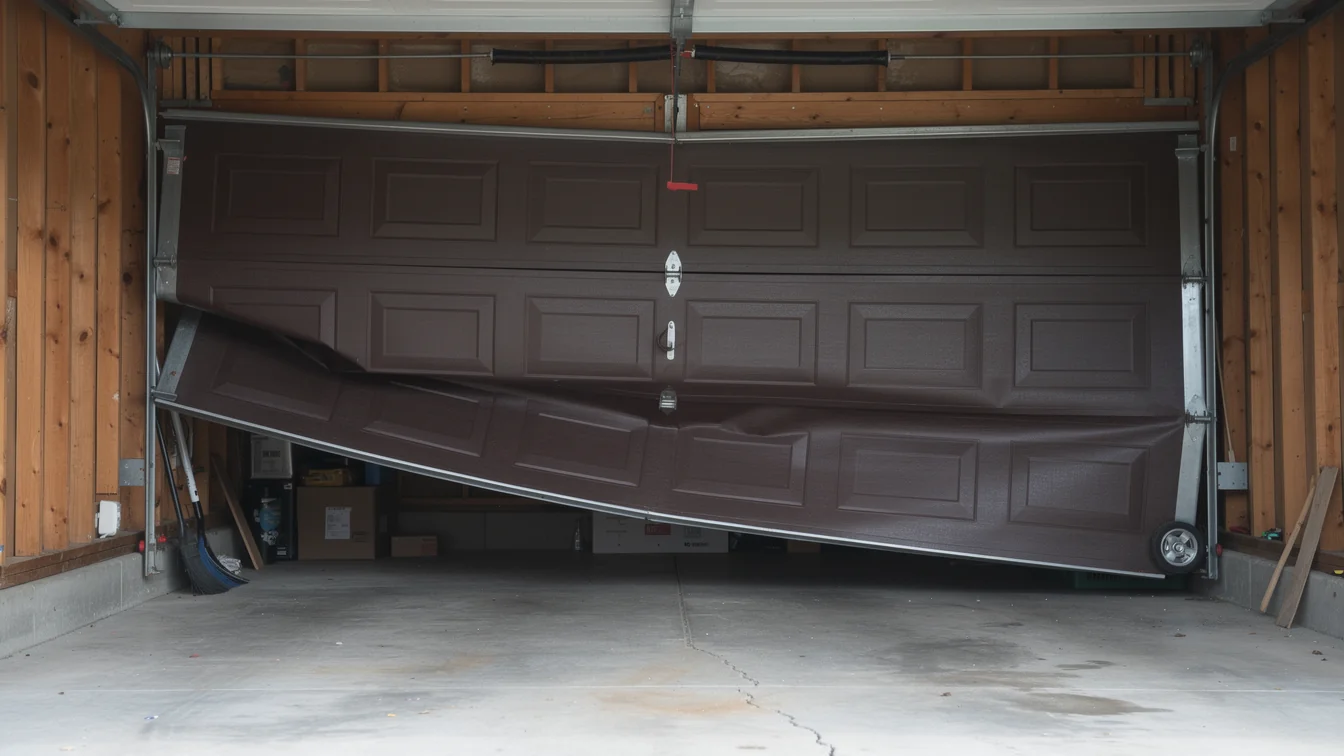
We've worked on doors in both setups across this stock, and the honest limitation is this: a detached garage door with original 1960s or 70s hardware is often not worth repairing piece by piece once the spring, rollers, and bottom seal are all failing at once. At that point the labor to chase each part exceeds the cost of a new door built for this climate. An attached door in the same shape is more often worth saving, since the structure around it is doing some of the work the hardware can't.
Talk to a local pro
Garage door trouble in Harrisburg?
Same-day service with honest, upfront quotes.