The Problem
Walk through most neighborhoods in the Harrisburg service area and you're looking at a garage door older than the energy code that would have required insulation. Housing here spans 1938 to 2004, but the median build year lands around 1970 - and across the 53 named communities within a few miles of downtown, from Lemoyne to Camp Hill to Hummelstown, the dominant stock is still that 1960s-70s generation. Pennsylvania didn't start pushing insulated garage doors into code until well after that window closed. What that means in practice: a steel slab, maybe with a thin vinyl backing if you're lucky, bolted to hardware that was never engineered around keeping heat in a conditioned garage. If your house falls in that build era - and with 132,270 households in the area, most do - there's a decent chance the door matches the house: original, single-layer, and doing nothing to slow down what's happening on the other side of it.
What Changes With the Season
Harrisburg sits in a climate zone rated cold to severe. That's the number that matters here, more than any general talk about weather. A single-layer steel door doesn't insulate against that kind of swing - it just transmits it. In winter, an attached garage with an old uninsulated door runs close to outdoor temperature, which means pipes along that wall, a water heater tucked in the corner, or a laundry setup off the garage all sit closer to freezing than the rest of the house assumes. Summer cuts the other way: that same slab picks up heat all afternoon and holds it, so the garage becomes the hottest room in the house by evening. None of this is dramatic failure - doors don't usually crack in half from cold. What happens instead is slower: the steel contracts and expands season over season, fasteners work loose, and the weak points in a decades-old panel show up as rattling, drafts around the edges, or a seal that's shrunk and cracked. That's the seasonal pattern this climate band produces on doors this old, and it's cumulative, not sudden.
What to Look At First
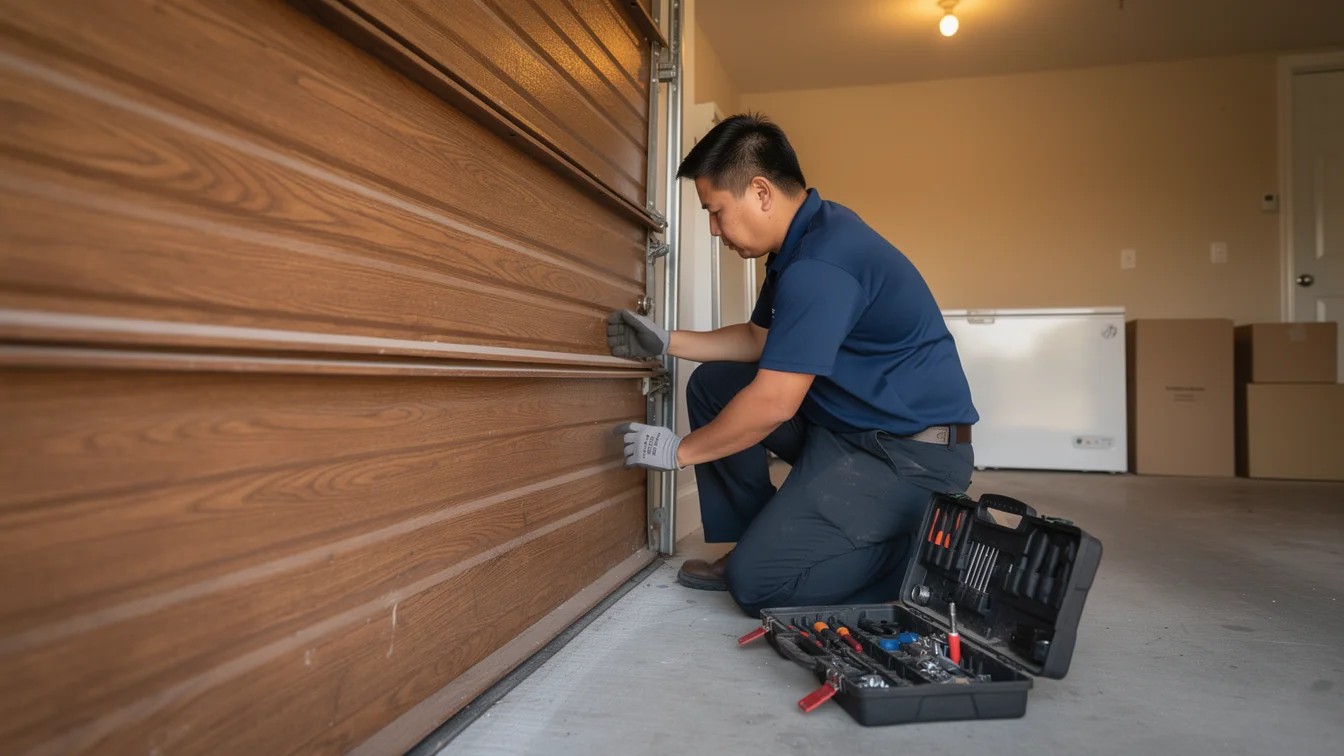
Before you talk about replacement, there are a few specific things worth checking on a door from this era. Start with the bottom seal - on a door built before insulation rules, it's often the only weather barrier the door ever had, and after decades of Harrisburg winters it's usually flattened, split, or missing in sections. Next, run a hand along the inside of the panel on a cold day. If it's near outdoor temperature, there's no insulation layer in there, just bare steel. Check the panel seams too; on doors from the 1960s-70s stock common across this area, seams were rolled, not sealed, and that's a direct draft path. Last, look at the hardware mounting points. Wood jambs from houses built in this window have usually shrunk and shifted over the decades, so even a door in decent shape can be hanging with gaps at the frame that no amount of door-side fixing will close. We can tighten seals and swap weatherstrip on most of these doors without a full replacement, but if the panel itself is bare steel with no way to retrofit foam - and a lot of the older slab styles from this era are built that way - insulating it isn't something a kit can fix.
What the Weather Here Does to It
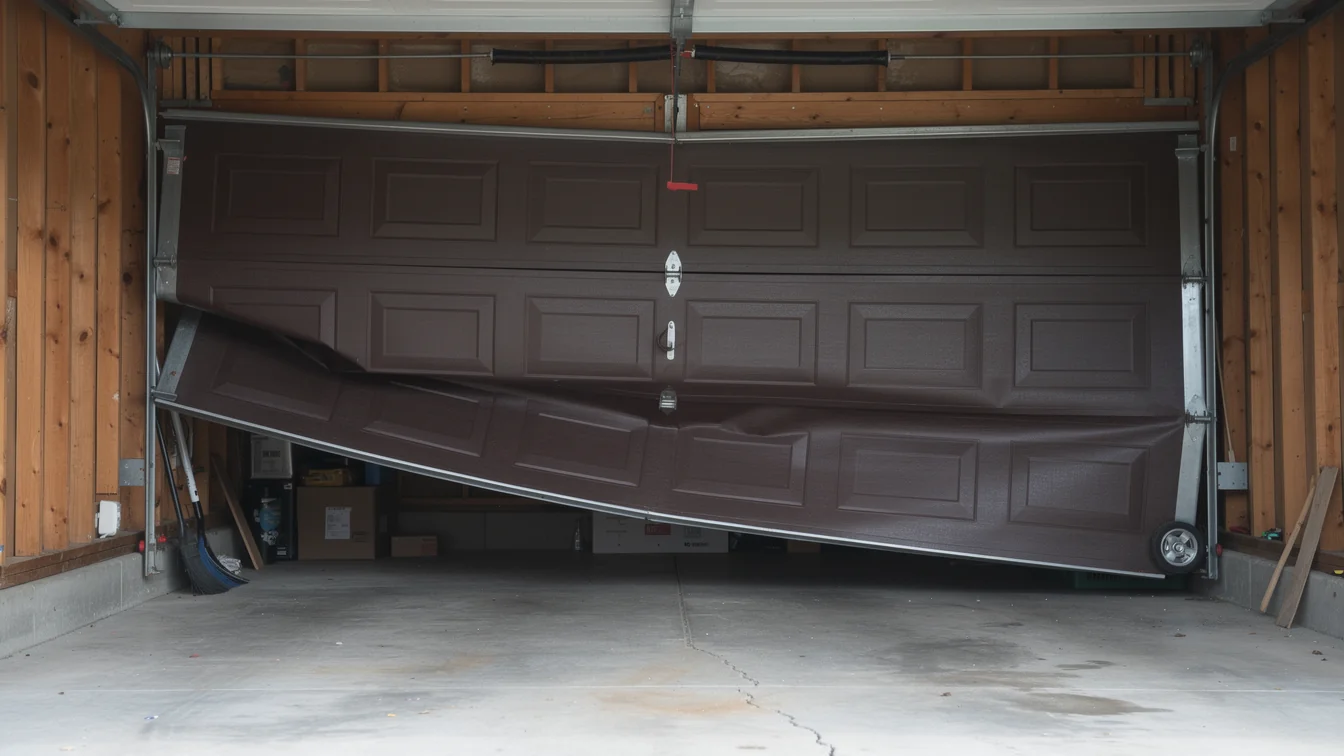
The cold-to-severe rating for this area isn't just a winter story - it's the freeze-thaw cycle that does the real damage over time. Steel contracts in the cold, and on an uninsulated single-layer door that contraction isn't buffered by anything, so it happens right at the surface, where paint and seams already took decades of the same stress. That's why doors from the 1938-2004 housing stock here so often show seam separation and loose track hardware before anything in the opener or spring system fails. The springs and cables are usually fine; it's the shell that's tired. For homeowners in the owner-occupied houses that make up most of this area, the practical result is a door that looks original and sounds different than it used to - a rattle at the bottom, a boom when it closes instead of a solid thud. That sound change is usually the first real sign the panel's reached the end of what an uninsulated steel shell this old can take, especially with another winter on the way in a climate band rated this cold.
Talk to a local pro
Garage door trouble in Harrisburg?
Same-day service with honest, upfront quotes.