Winter rubber seals
We also carry weatherstrip and bottom seal in winter-grade rubber, because the cold here is the severe kind, not the mild kind, and standard seal cracks faster than it should.
Harrisburg, PA
Service calls across Harrisburg's 1960s-70s housing stock, from torsion springs seized by cold to openers worn out on original hardware. Local, honest, no invented numbers.
On the truck
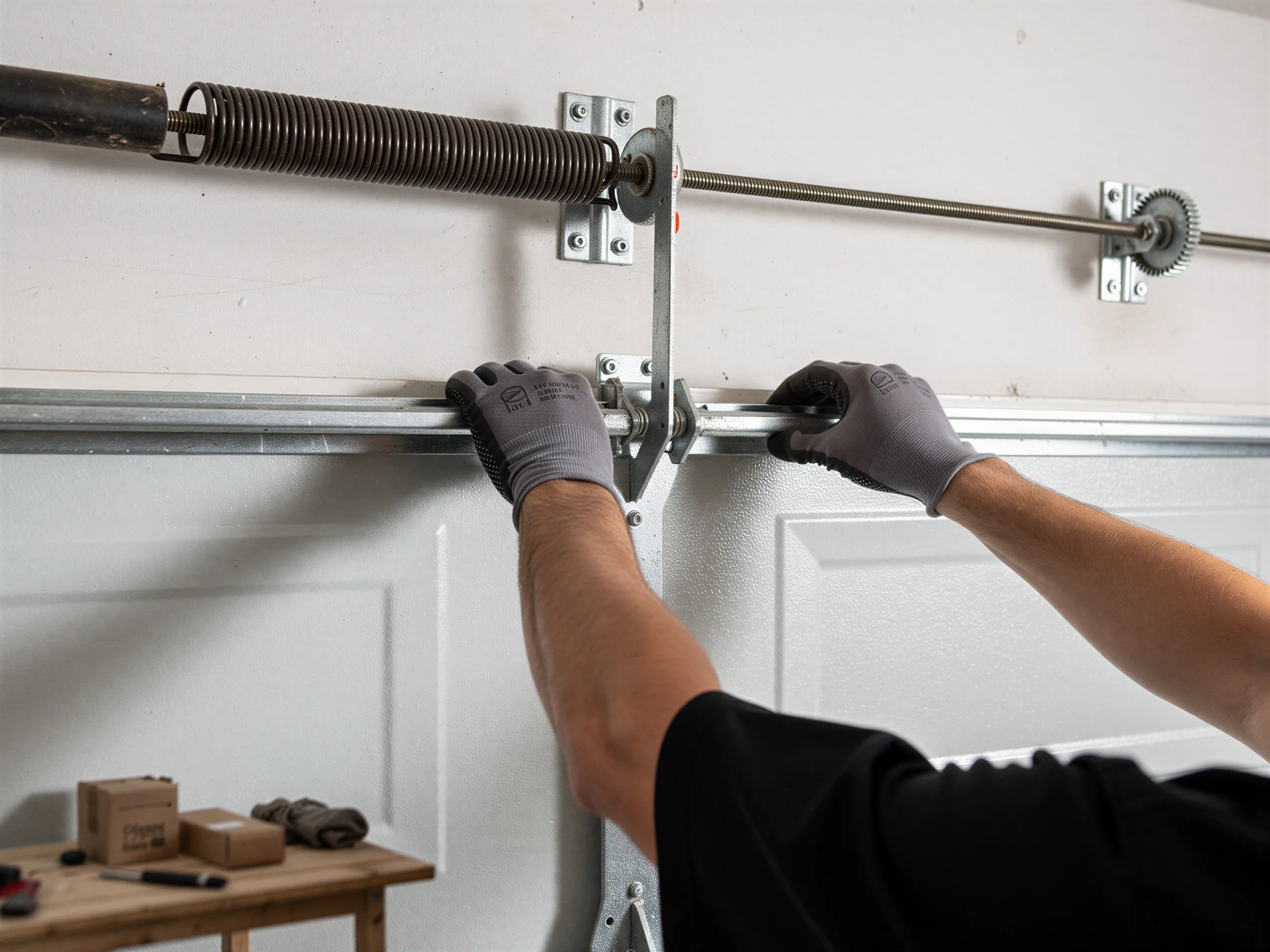
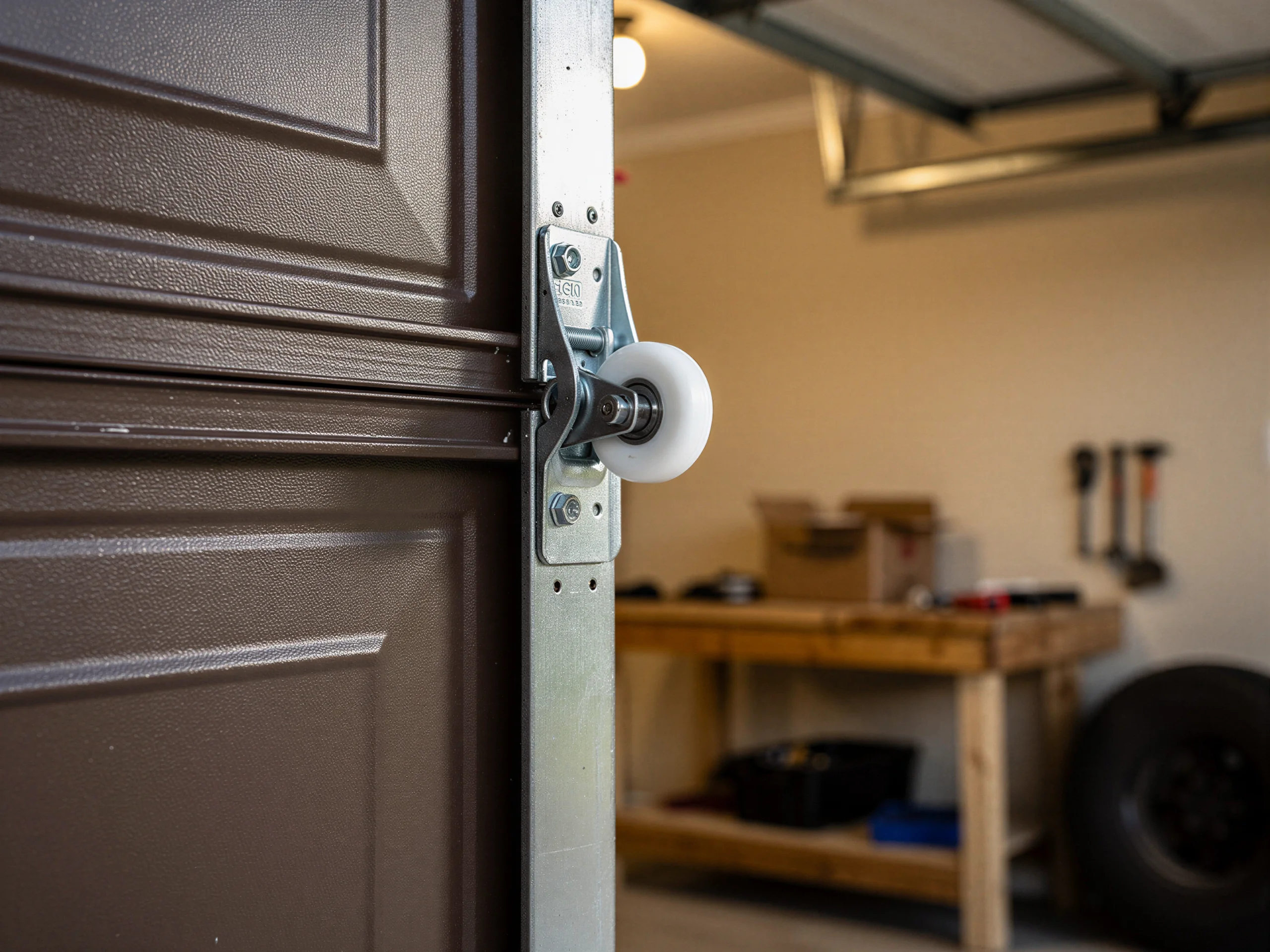
We stock what actually fails on the doors common to this area. Harrisburg's housing runs from 1938 up through 2004, with most of it clustered in the 1960s and 70s, so the truck carries torsion springs sized for the old extension-to-torsion conversions as well as the newer standard sizes, rollers in steel and nylon, cables, bottom brackets, and a run of universal openers for when a 20-year-old unit finally quits.
We also carry weatherstrip and bottom seal in winter-grade rubber, because the cold here is the severe kind, not the mild kind, and standard seal cracks faster than it should.
What we don't carry is custom millwork doors or anything that has to be special-ordered from a manufacturer - if your door is a discontinued panel pattern from a 1970s build, we can tell you that on the spot, but we're not going to pretend we have it on the shelf.
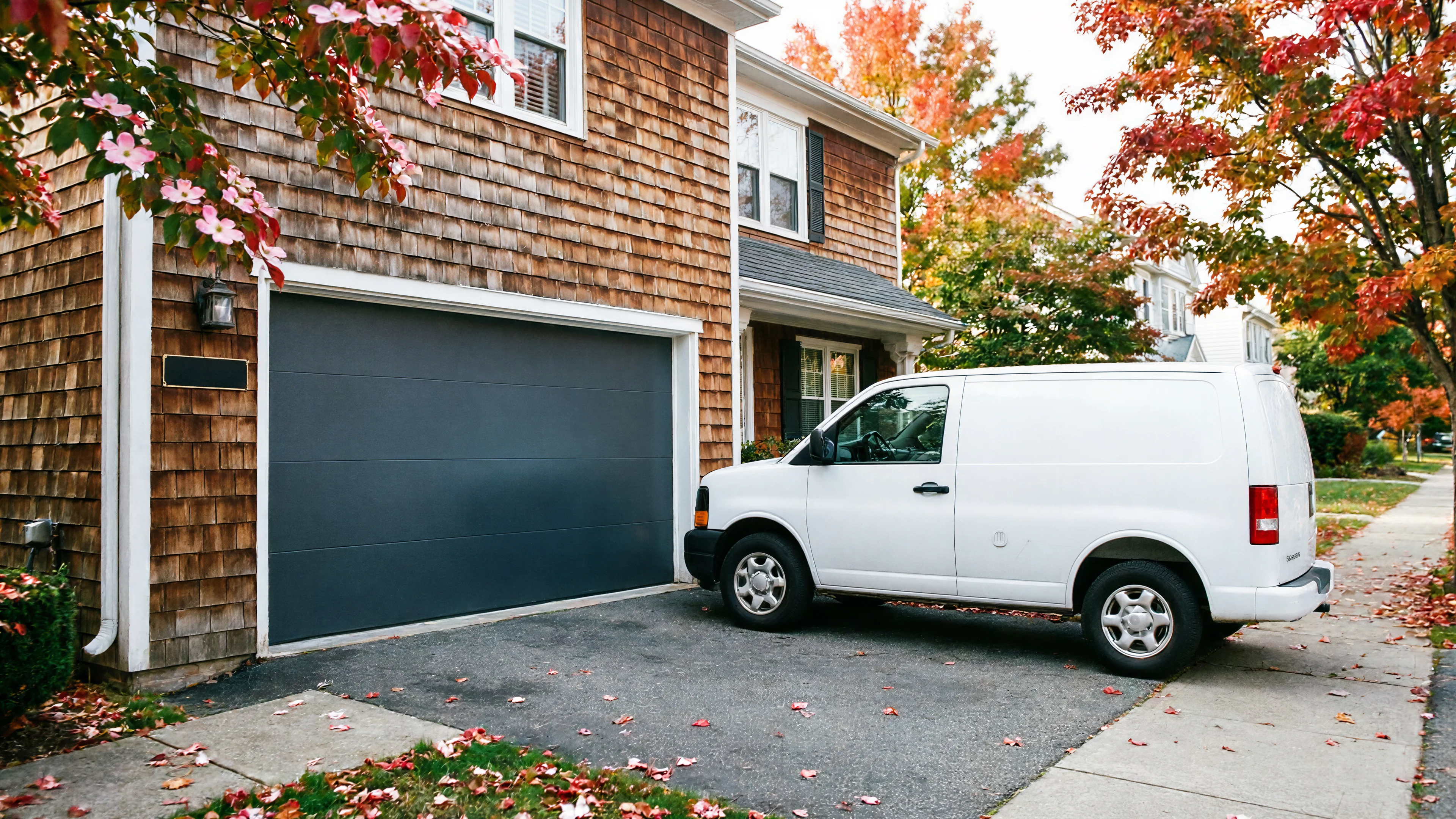
That's the one honest limit worth saying up front: some jobs wait on a part, and we'd rather tell you that than guess. For a call in Harrisburg proper or anywhere from Wormleysburg to Hershey, the truck is set up the same way, because the housing stock and the winters are consistent across that whole stretch.
Warning signs
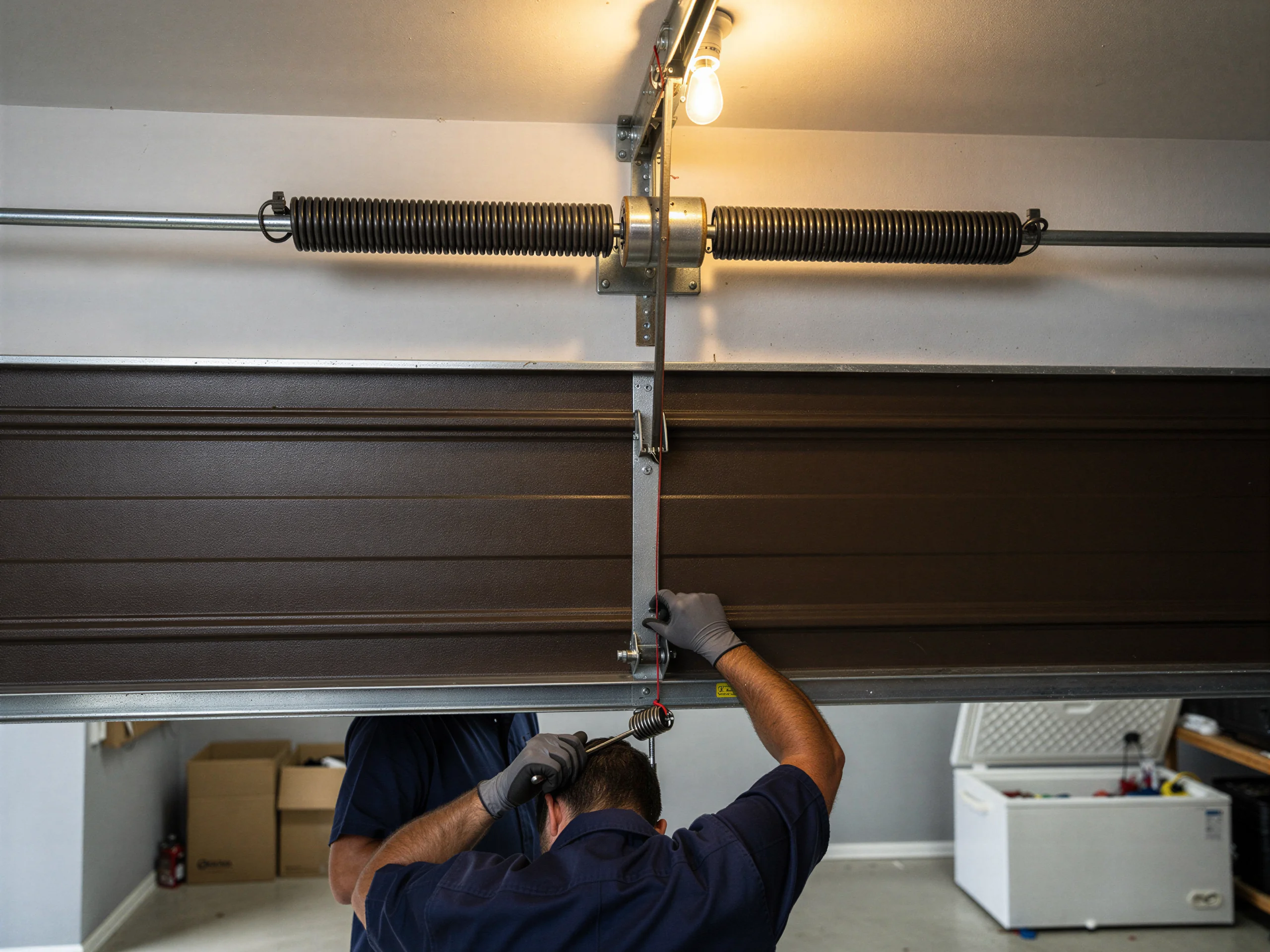
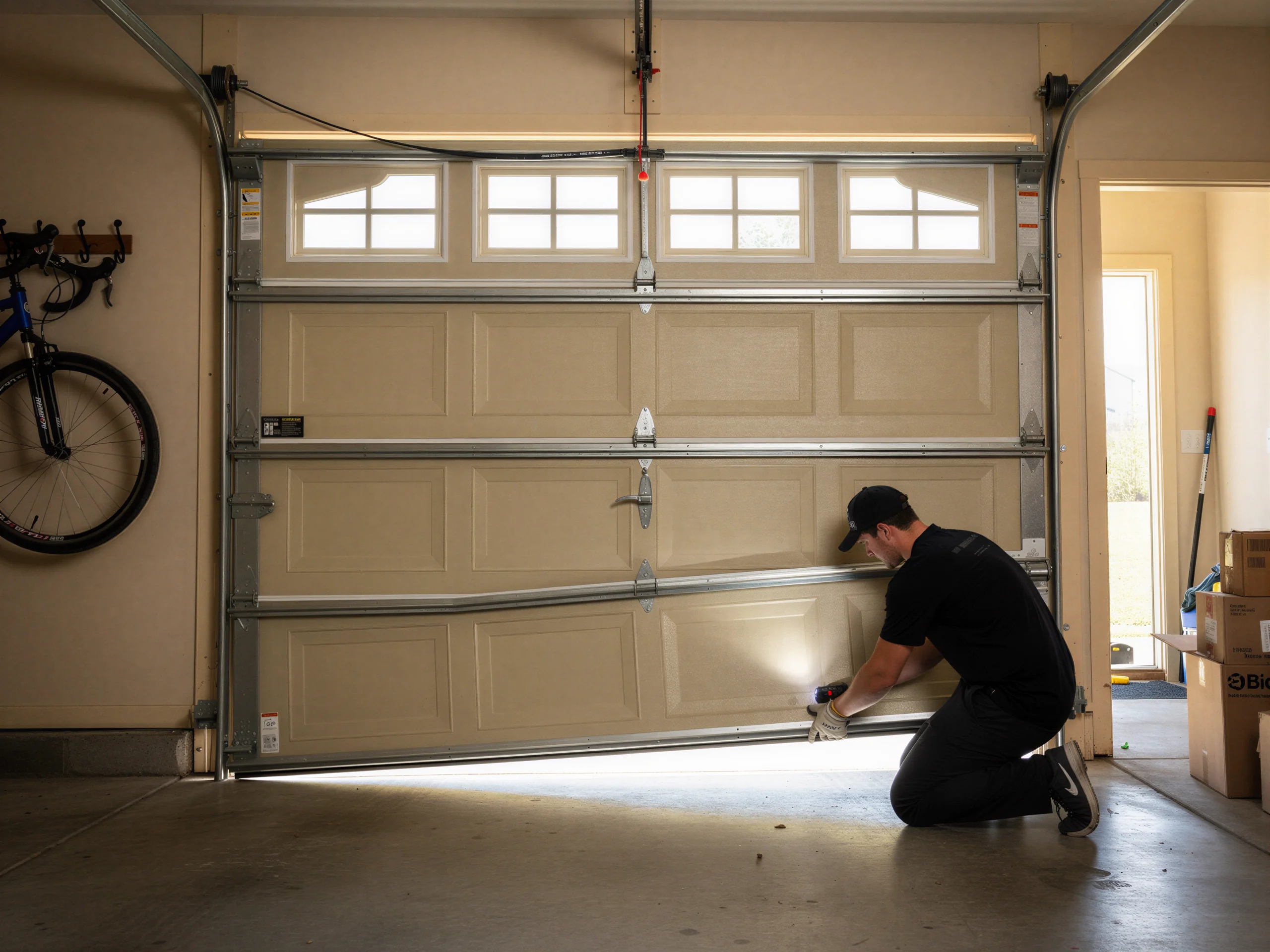
If your door is slow to open, drops the last foot, or the opener strains and reverses, you're almost certainly looking at spring fatigue, not an opener problem - even though the opener is what's making the noise.
Torsion springs on houses built in the median year here, around 1970, are well past the cycle count they were rated for, and cold makes tired steel worse: the metal contracts, the coil binds slightly, and a spring that was marginal in August snaps in January.
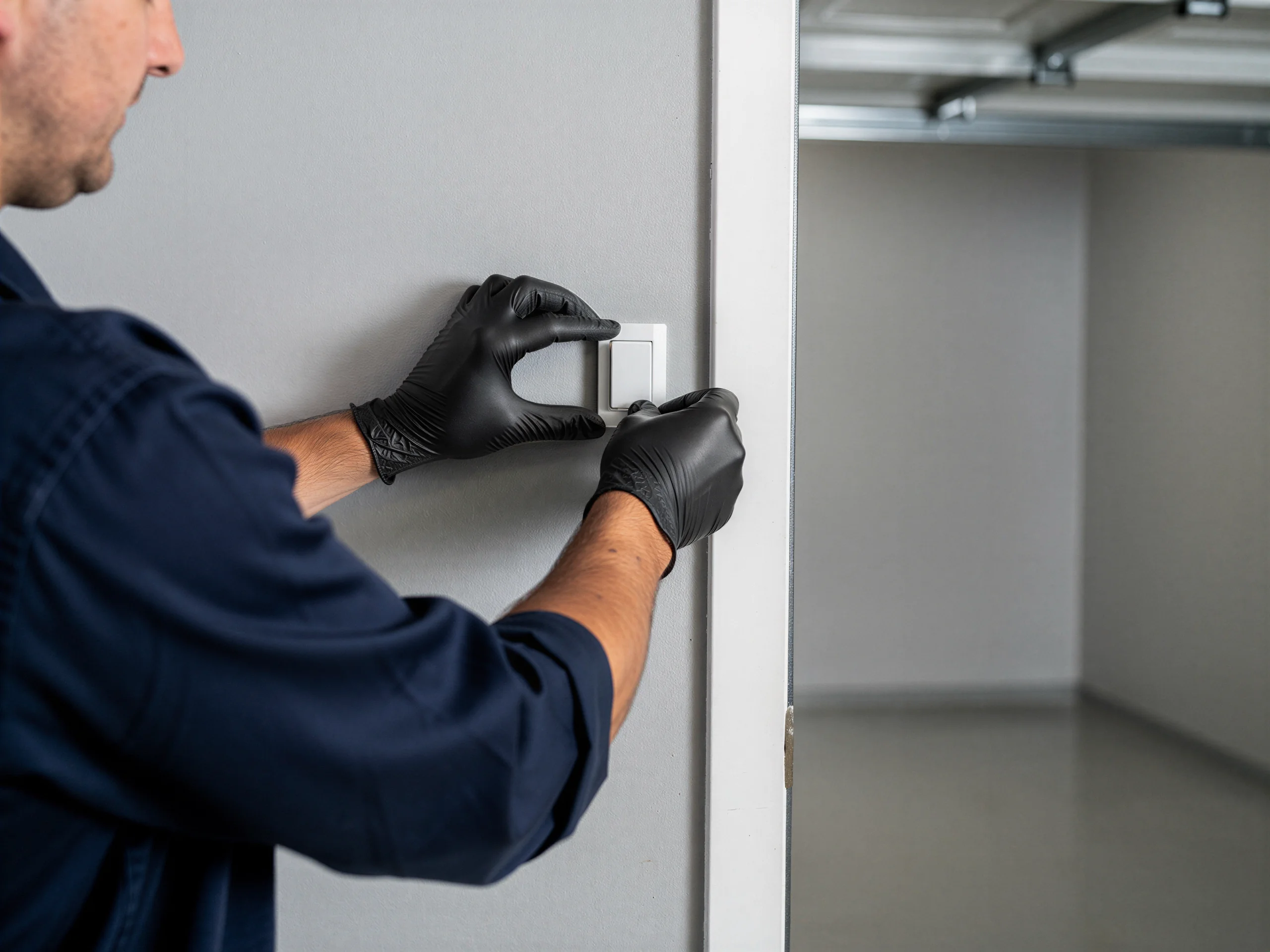
A second common pattern on this stock is the original low-horsepower opener still running on hardware from a different decade than the rest of the door - someone replaced panels or a spring kit at some point but left the opener's travel limits and force settings untouched, so it fights itself every cycle.
Less common but real: cracked bottom seal letting cold air and runoff into the track, which freezes the roller path overnight. That one shows up as a door that won't budge first thing in the morning and then works fine by afternoon.
Pricing
We're not going to put a number on this page that doesn't match what you'd actually pay, and we don't have a published price list to quote from here - every job gets priced on the phone or on site once we know whether it's a spring, an opener, or both. What we can tell you is what drives the cost: spring replacement is priced by spring size and door weight, not by the hour, and opener swaps vary a lot depending on whether you want a straight replacement or a jump in drive type.
What we can say with more confidence is the economics of the area. Median household income across the service territory sits at $79,688, with roughly 54,312 owner-occupied houses among 132,270 households total - that's a market where most people fix the spring rather than replace the whole door, and where opener replacement usually beats repeated repair once a unit is original to a 1970s build. We'll tell you flat out, on site, if a repair isn't worth doing versus a replacement - that call costs you nothing to ask for.
Local causes
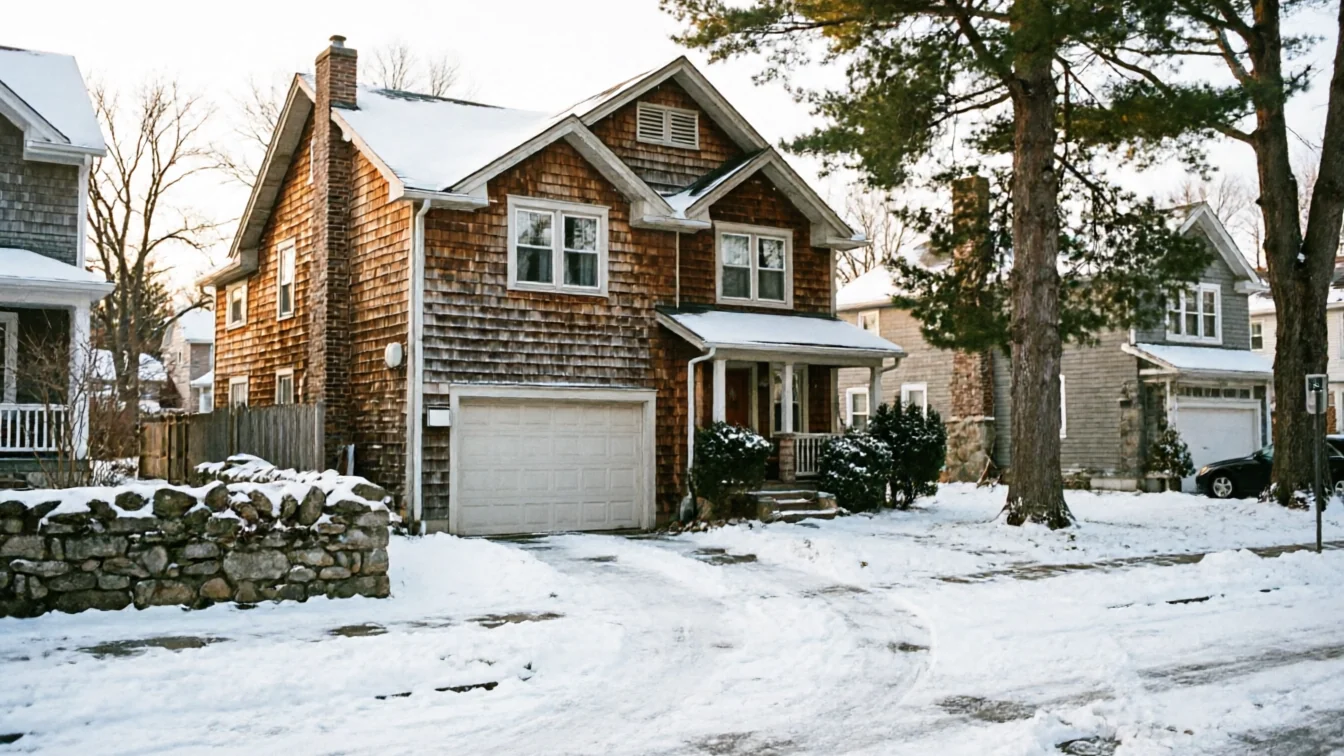
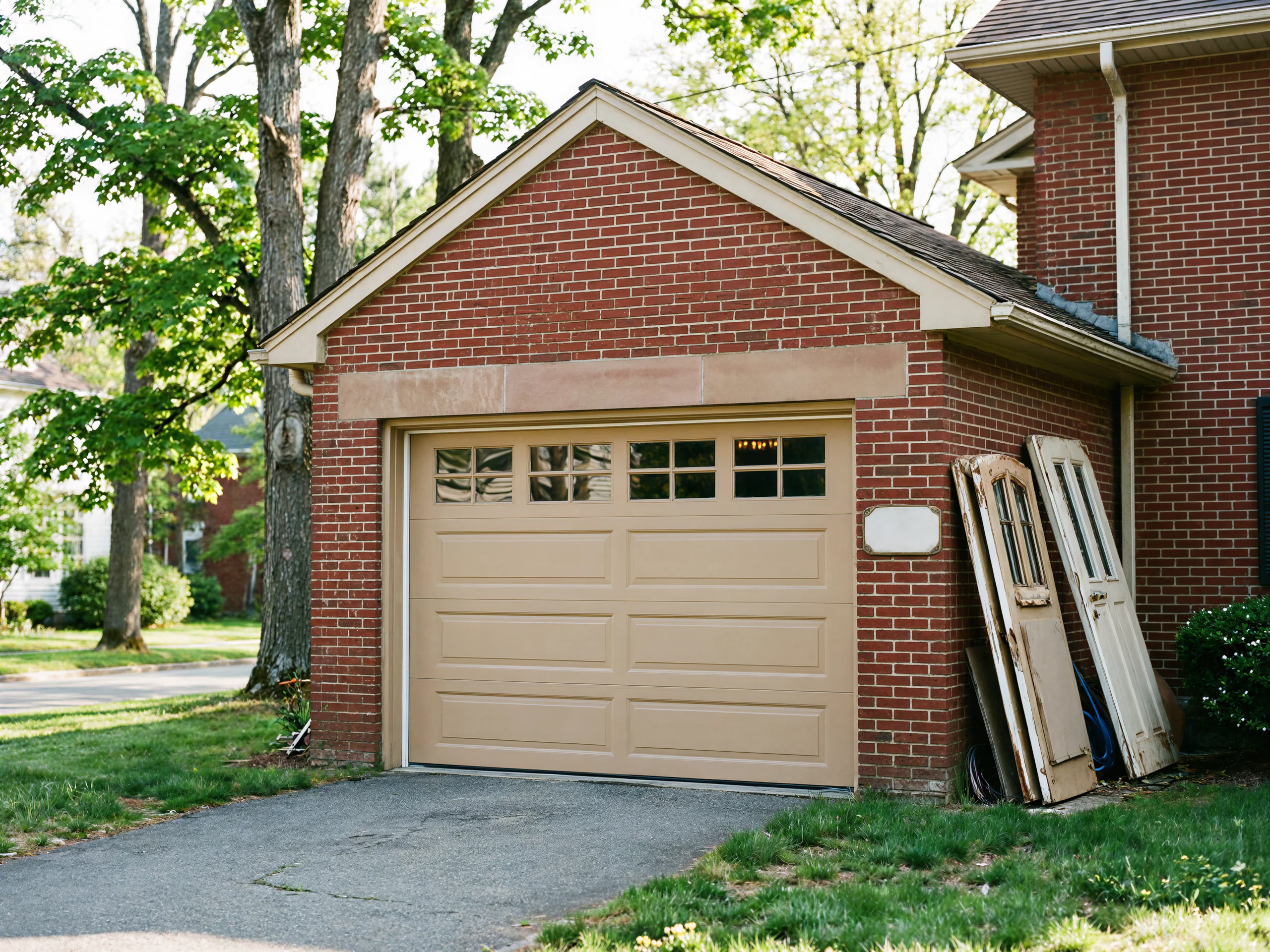
This isn't a generic wear-and-tear story. Harrisburg's housing stock skews old - built mostly in the 1960s and 70s, with the earliest stock going back to 1938 - which means a lot of doors are running springs and openers that have been swapped once already, sometimes with hardware that doesn't quite match the original mounting. On its own that's a maintenance issue. Paired with a cold climate rated severe, it becomes a seasonal failure pattern: steel springs lose tension faster in repeated freeze cycles, nylon rollers crack in low temperatures, and cheap weatherstrip from a 1980s retrofit gives up entirely.
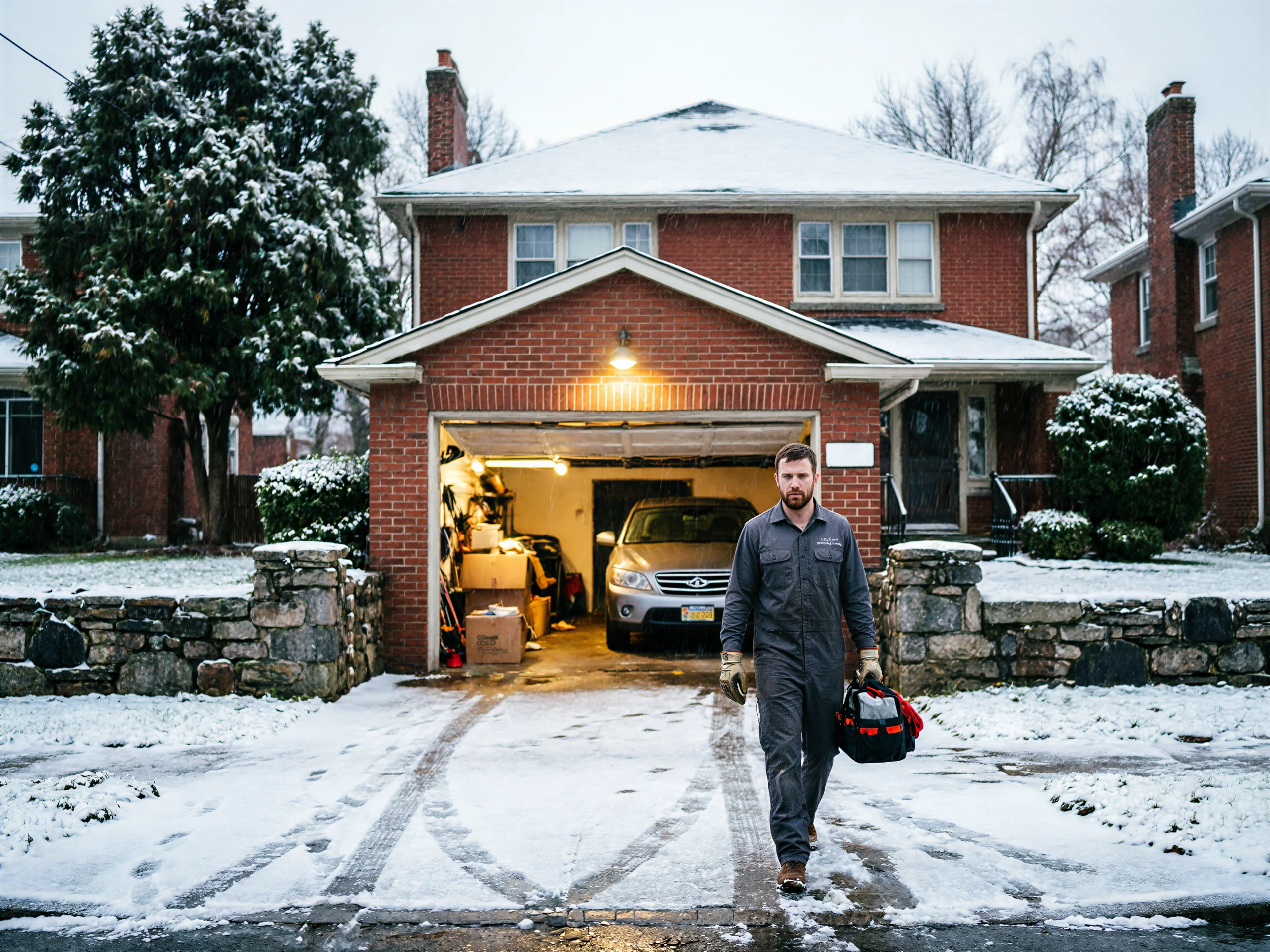
We see this across the 53 named areas in the territory, not just one neighborhood, because the housing age and the winters don't change much from Lemoyne to Hummelstown. A door that's lasted fine for fifteen years can fail in a single cold week once the spring is already near the end of its cycle count - that's the call we get most in January, and it's rarely a surprise once we see the build date on the house.
Questions
Cold steel loses flex, so a torsion spring that's already near the end of its rated cycles tends to snap in a cold spell rather than a warm one. Our service area has a severe cold rating, which speeds up that failure compared to milder climates - it's not your imagination.
If your home was built in the common range for this area - 1960s to 70s, with some stock as early as 1938 - there's a decent chance the opener has been swapped at least once, often without updating the travel limits or force settings to match newer door weight.
We stock springs, rollers, cables, and openers that cover most of what's common in homes built through the median era here, around 1970. Discontinued panel styles or custom millwork sometimes need to be special-ordered, and we'll say so upfront instead of guessing.
We price on site once we know whether it's a spring, opener, or seal issue - spring jobs go by spring size and door weight, not a flat hourly rate. We don't publish a price list because it would be inaccurate more often than it'd be right.
Explore more
Ready when you are
Harrisburg Garage Door Pros repairs and installs garage doors, springs and openers in Harrisburg, PA and the surrounding area.