The Problem
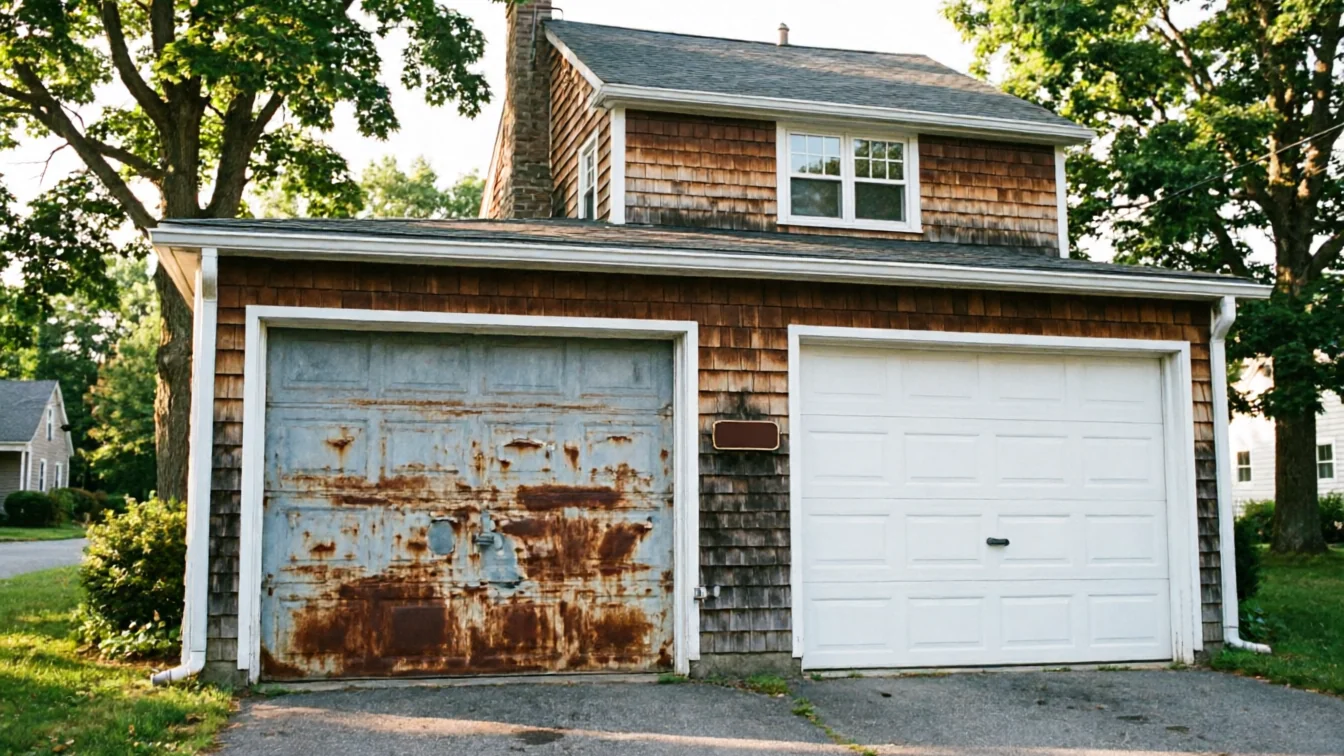
Most of the housing stock in and around Harrisburg went up between 1938 and 2004, with the median landing around 1970. That means a big share of the doors we're called out to are still running on the hardware the house was built with, or close to it. Torsion springs have a rated cycle life, and a spring installed when a house went up in the late 1960s has had fifty-plus years to wind down toward failure, whether or not anyone's touched it. Across the 53 named communities in this service area, the pattern repeats: 1960s and 70s construction dominates, so the same aging torsion setups, the same steel jamb brackets, the same single-layer panels show up call after call. A service call starts by figuring out which era of hardware we're actually looking at, because a door from 1965 and a door from 1995 fail in different ways and get fixed differently. We're not walking in guessing - the age of the house tells us most of what we need before we open the panel.
What Changes With the Season
Harrisburg sits in a cold-severe climate band, and that changes what a service call finds depending on when you call. Steel contracts as temperatures drop, which means torsion springs that were holding tension fine in September can feel noticeably weaker by January - not because anything broke, but because the metal itself is behaving differently. Grease and lubricant on rollers and hinges stiffen up in the cold too, so a door that glided in summer starts groaning or sticking partway through its cold months. Openers feel it as well: the gear-drive motor has to work harder to move a door with stiff hardware, which shows up as a labored start or a hum before the door actually moves. None of this means the unit is failing. It means cold-severe winters put real mechanical load on equipment that was fine a few months earlier. A call in February often turns into adjusting spring tension and re-lubricating, where the same door in July might not have raised a complaint at all.
What to Look At First
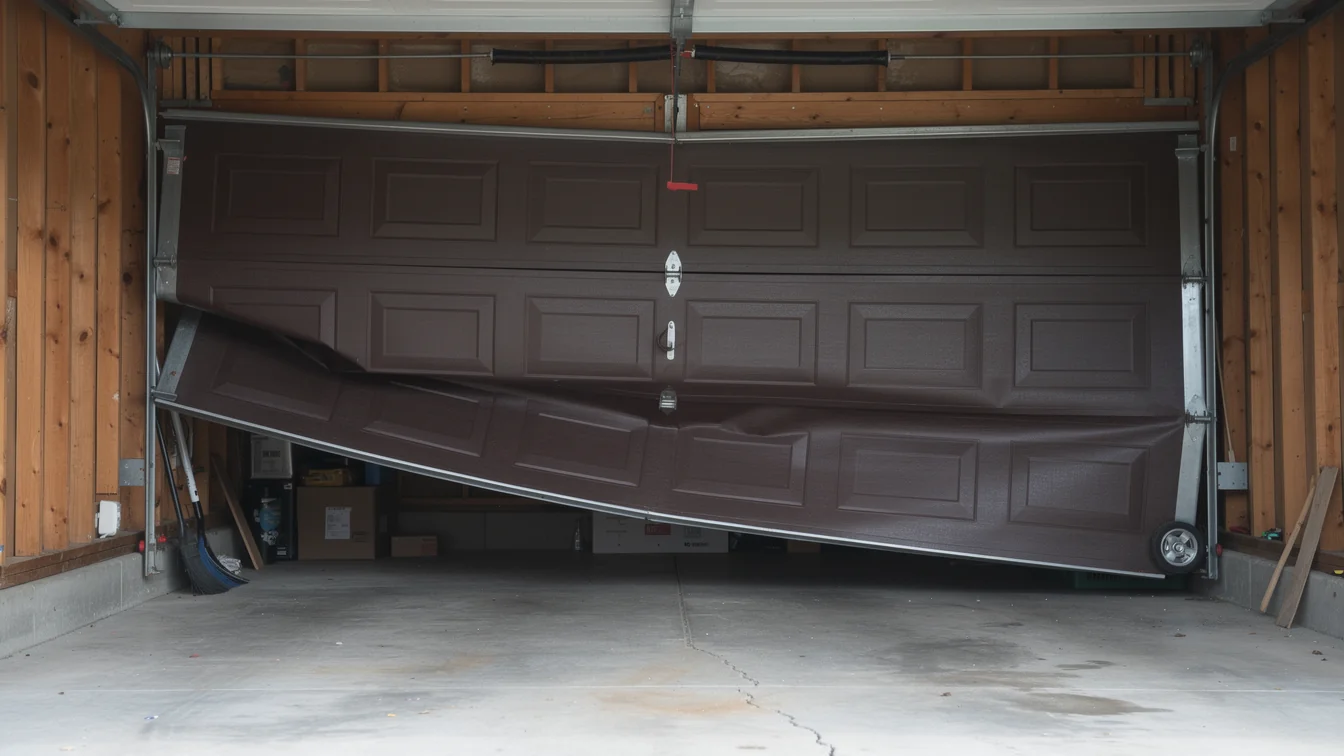
On a house from the 1960s or 70s stock that's common here, we start at the springs and the track brackets, since that's original-era hardware most likely to be past its working life. We check spring wind and balance before anything else - a door that's out of balance is the most common reason an opener burns out early, and it's an easy thing to miss if you're only watching the door go up and down. Rollers come next: steel rollers from an older build wear loud and uneven, and that noise is often the first sign something's dragging on the track rather than rolling on it. We also look at the bottom seal and weatherstripping, since on an older panel that's usually been replaced once or twice already and shows its age fast. What we don't do on a standard call is replace a cracked or delaminated panel on the spot - that's a separate job, and if the door's door-and-track combination is original from the 1960s, we'll tell you honestly when patching it further isn't worth it.
What the Weather Here Does to It
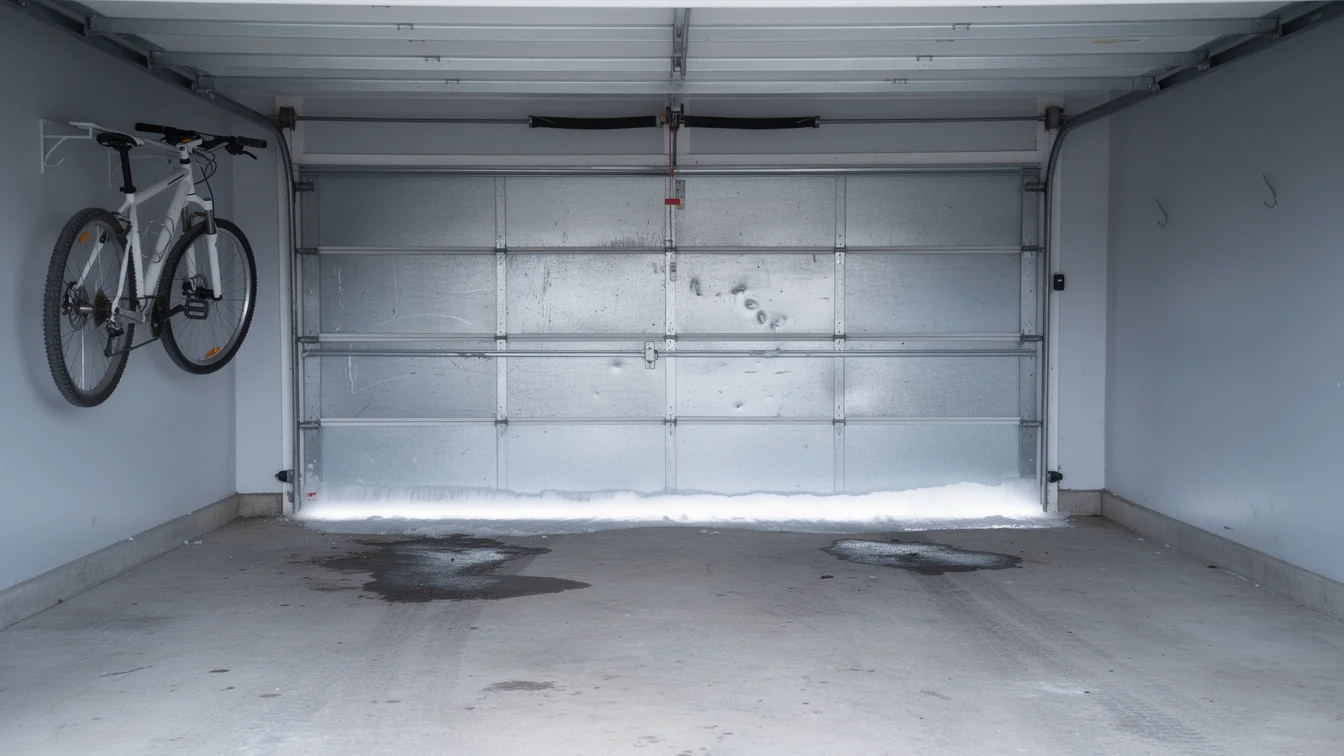
The cold-severe band Harrisburg sits in means freeze-thaw cycling is a real factor, not a minor one. Water that gets under the bottom seal at the end of a thaw day can refreeze overnight and pin the door to the slab, or crack an older seal that's already brittle from age. On houses built before the 1980s, wood jambs and wood-trimmed panels absorb that moisture swing more than newer composite materials do, so we see more swelling and sticking on the original-era builds than on anything put up in the last twenty years. Steel panels respond differently - they don't swell, but cold makes any existing dent or seam gap more obvious because the metal doesn't flex the same way in low temperatures. None of this is dramatic on its own. It's steady, repeated stress on hardware that in a lot of these neighborhoods is already decades past when it was installed, and it's why a door that was fine in October can need attention by February without anything having obviously gone wrong.
Talk to a local pro
Garage door trouble in Harrisburg?
Same-day service with honest, upfront quotes.