
Repeating local call types
A town this compact doesn't generate the sprawl of call types a bigger suburb does; the openers, springs, and tracks we see on a given week tend to repeat across blocks because the houses themselves repeat.
Camp Hill, Harrisburg
Camp Hill homes mostly date to 1953, a decade older than the surrounding area's 1970 median. That age shows up in the springs and tracks we replace here, 3 miles from Harrisburg.
Timing
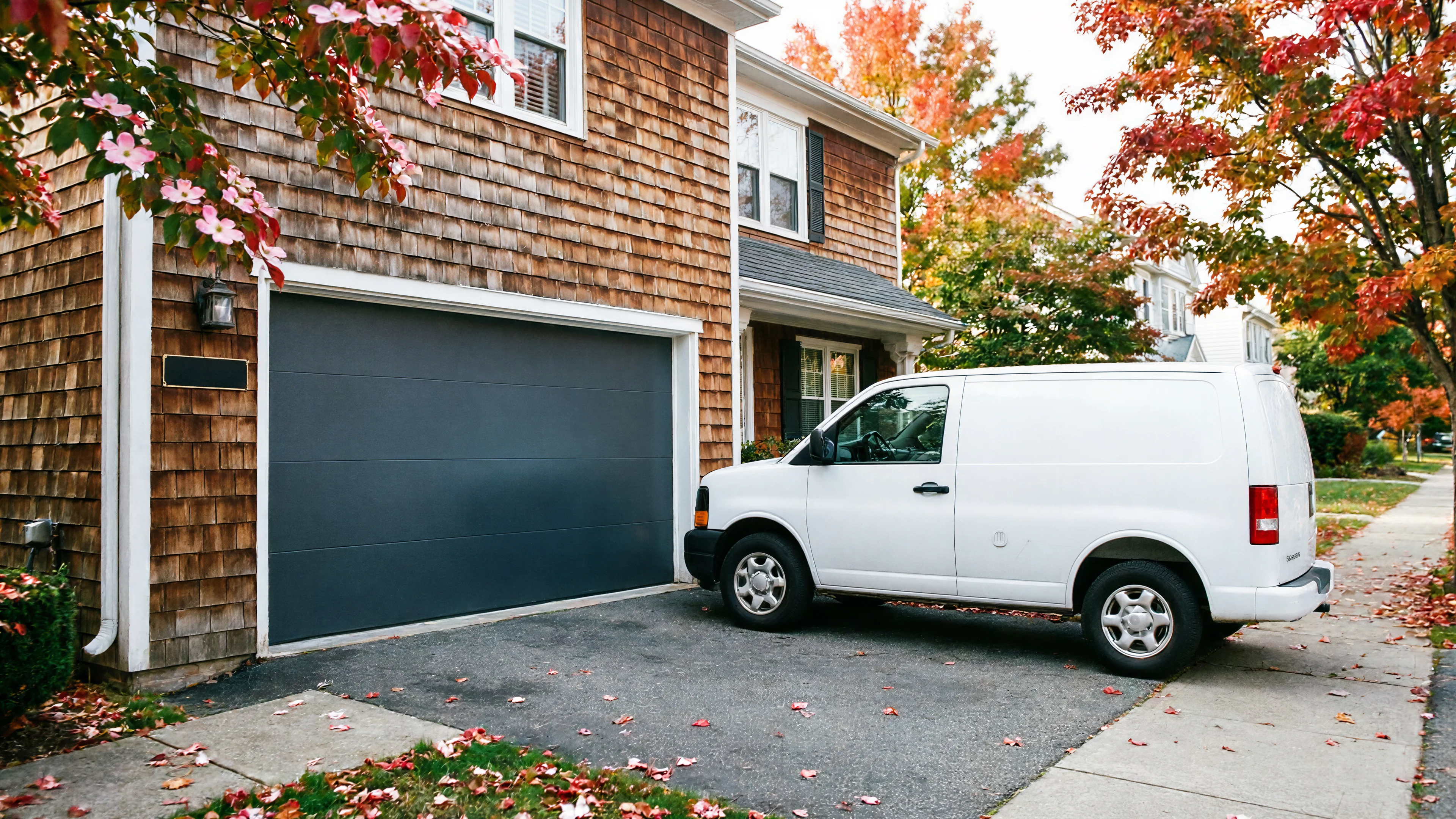
Camp Hill is a small town as these things go - about 3,252 households packed into a borough just 3 miles from Harrisburg. That size matters more than it sounds like it should.
A town this compact doesn't generate the sprawl of call types a bigger suburb does; the openers, springs, and tracks we see on a given week tend to repeat across blocks because the houses themselves repeat.
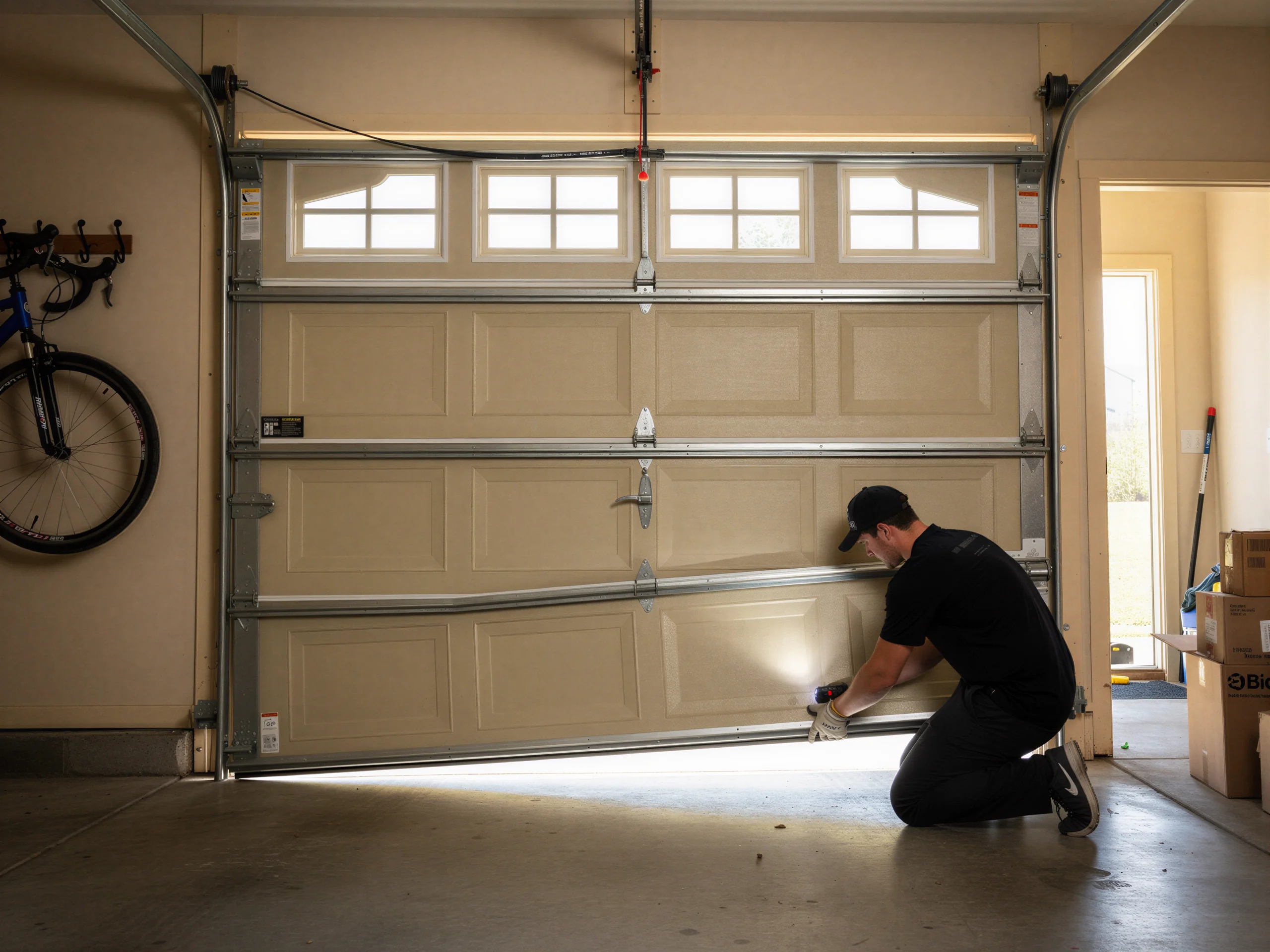
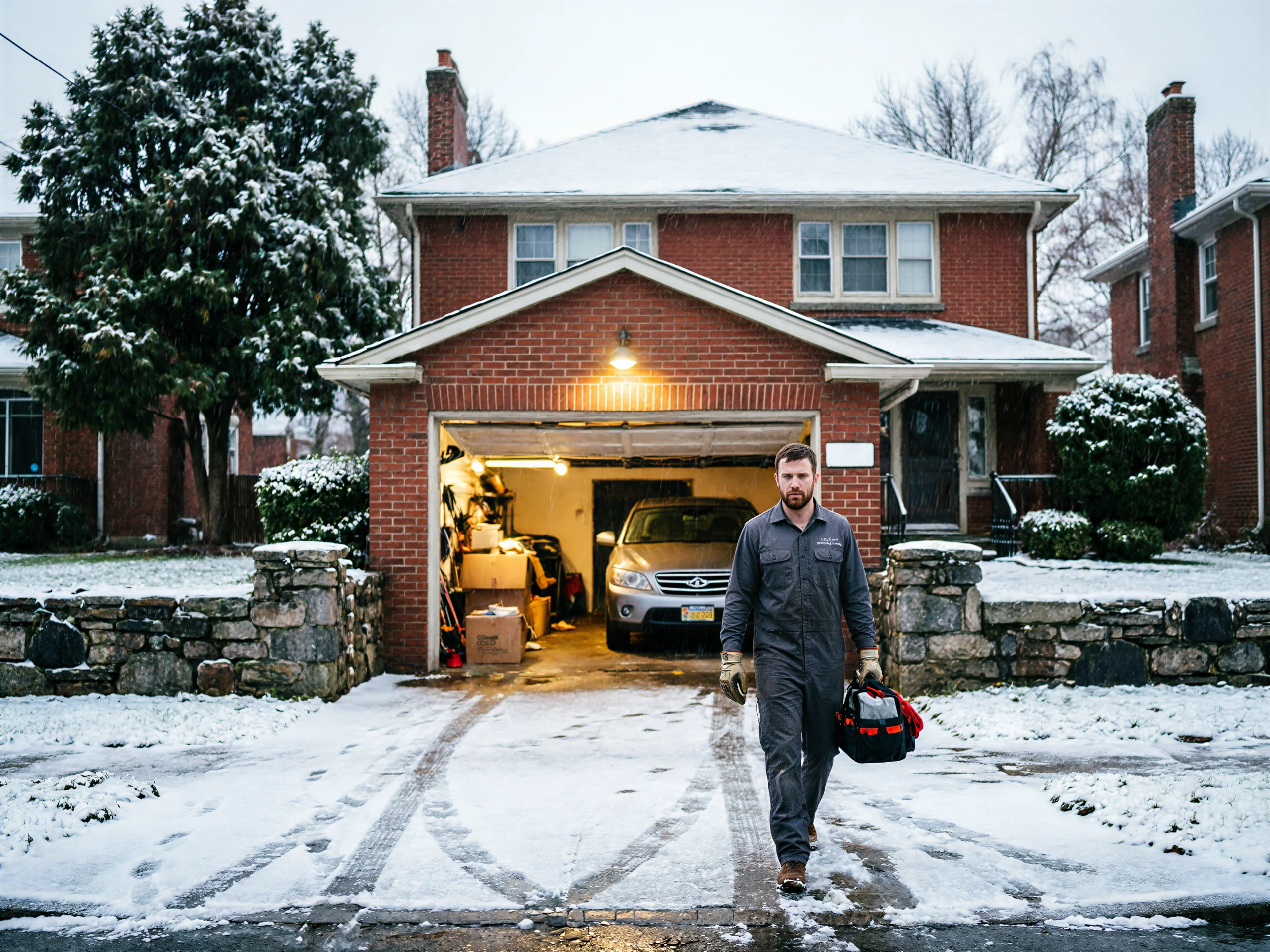
We're not stationed in Camp Hill - the truck comes from Harrisburg, a short run at 3 miles - but the work itself is quick to diagnose once we're on site, because we've usually seen the same setup two streets over.
A stuck door or a dead opener gets a straightforward look: test the springs, check the track alignment, run the opener through its cycle, find the actual fault instead of guessing at it.
Local causes
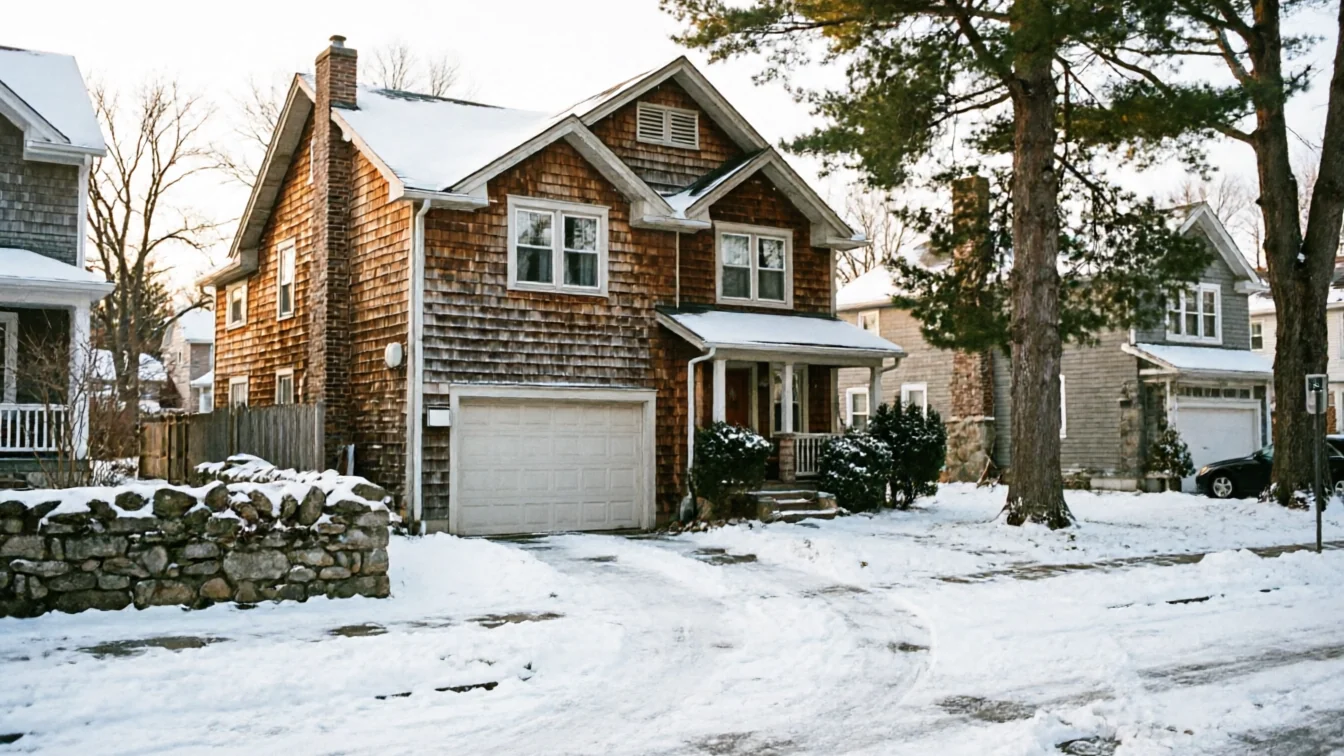
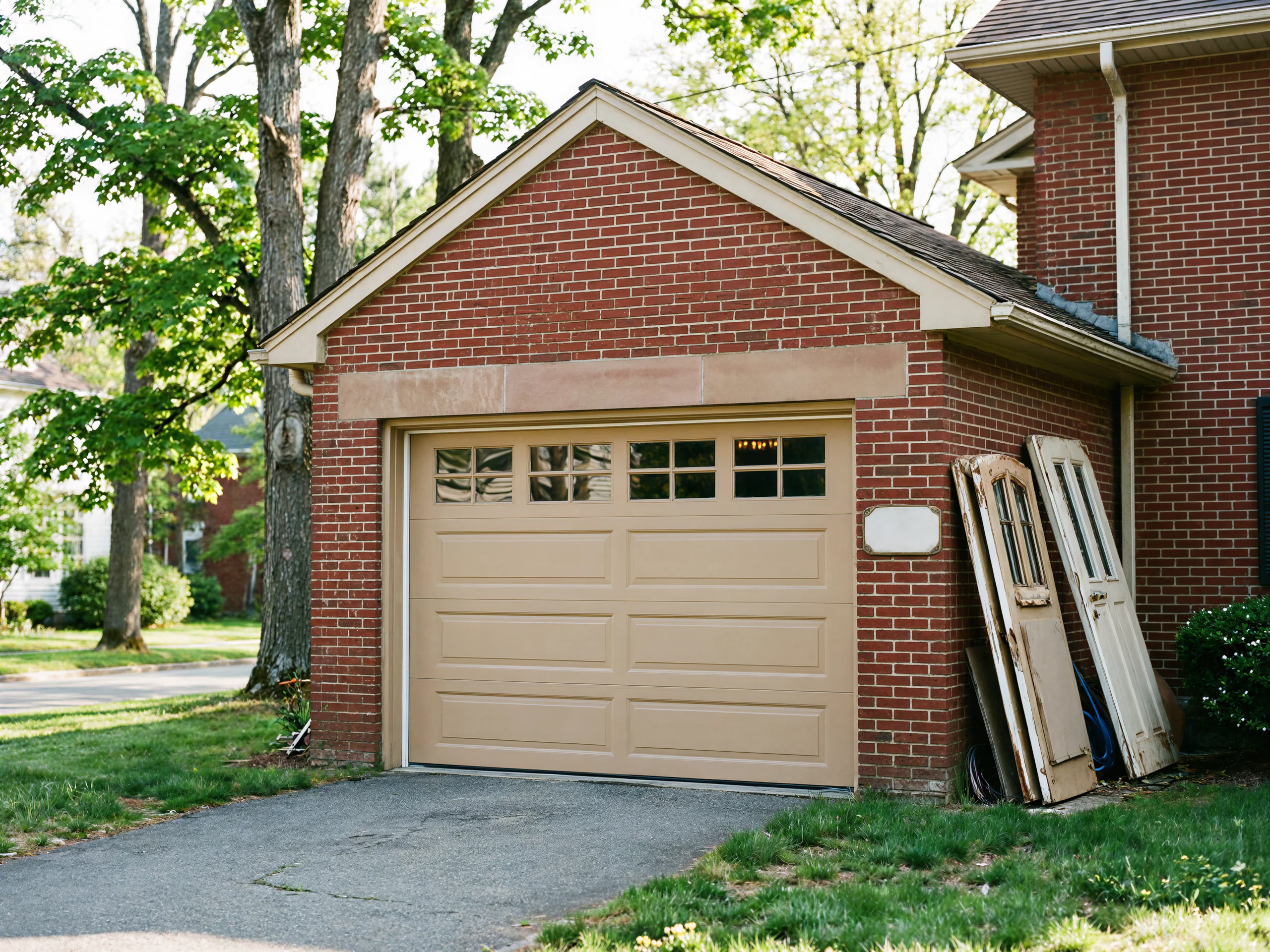
The median home in Camp Hill was built around 1953, noticeably older than the 1970 median across the broader service area. That gap of nearly two decades is the whole story. Doors and openers installed or replaced in a 1953-era house have usually been through at least one full hardware generation already, sometimes two, and the mounting points, header clearance, and track spacing from that era don't always match what's sold off the shelf today. On top of that, this region sits in a cold, severe winter climate - the kind that puts real stress on steel springs and nylon rollers through repeated freeze-thaw cycles. Combine older framing with harder winters and you get the two failure modes we see most in this town: springs that give out from age-plus-cold, and tracks that have shifted slightly out of true over seventy-plus years of a house settling.
Watch-outs
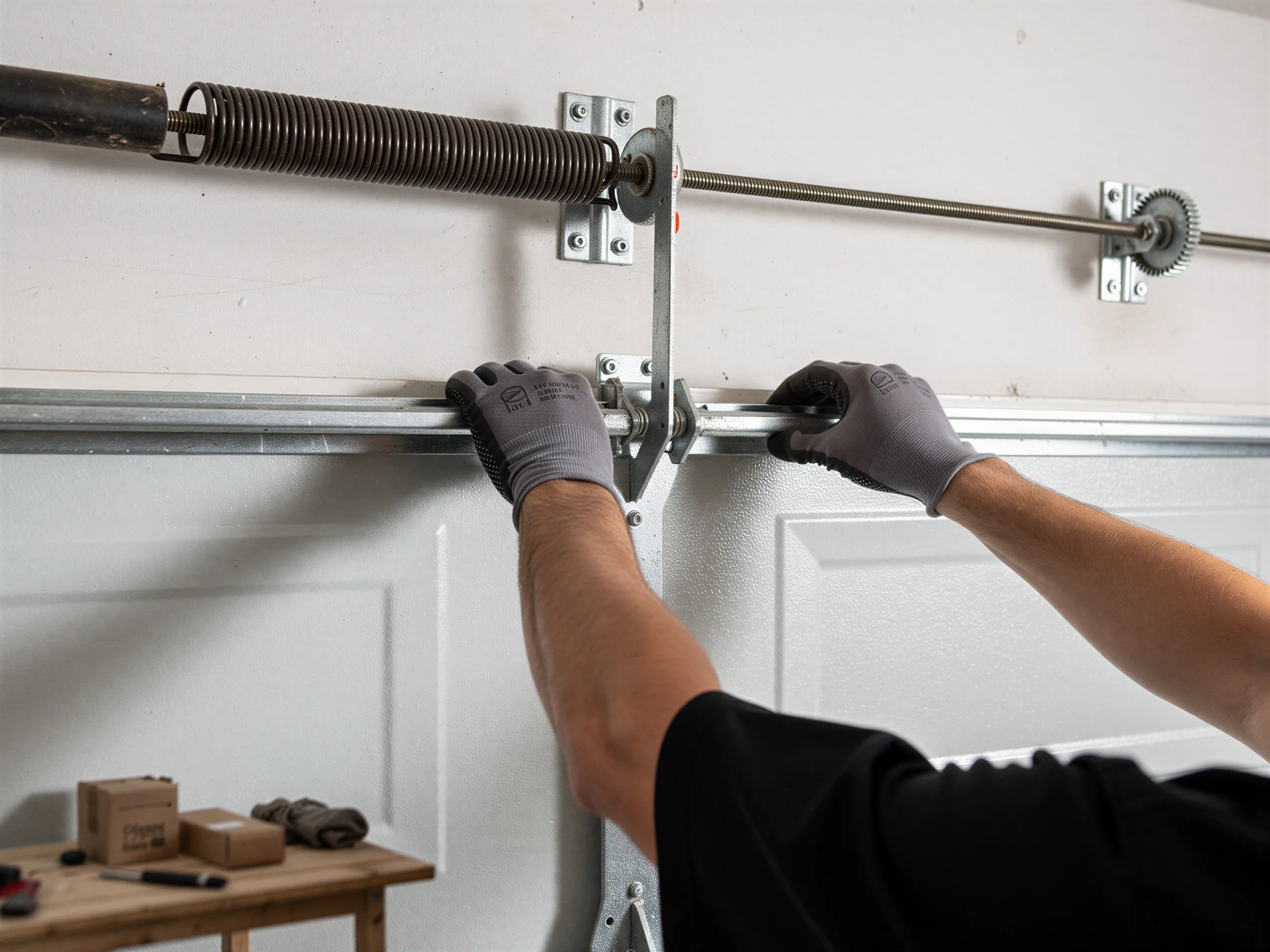
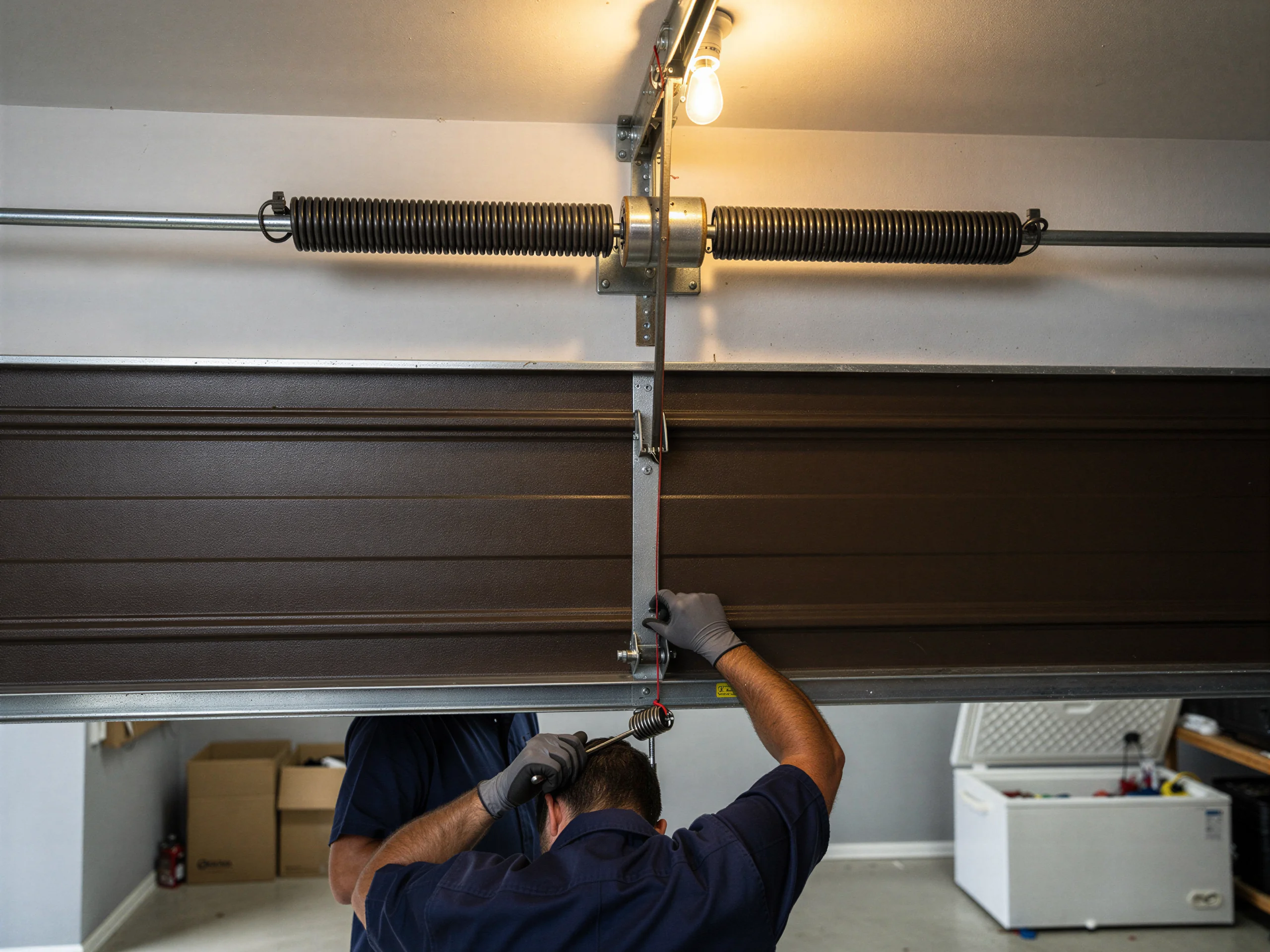
On houses from the early 1950s, the most common call is a broken torsion or extension spring - the cold snaps the last few working coils on an already-fatigued spring.
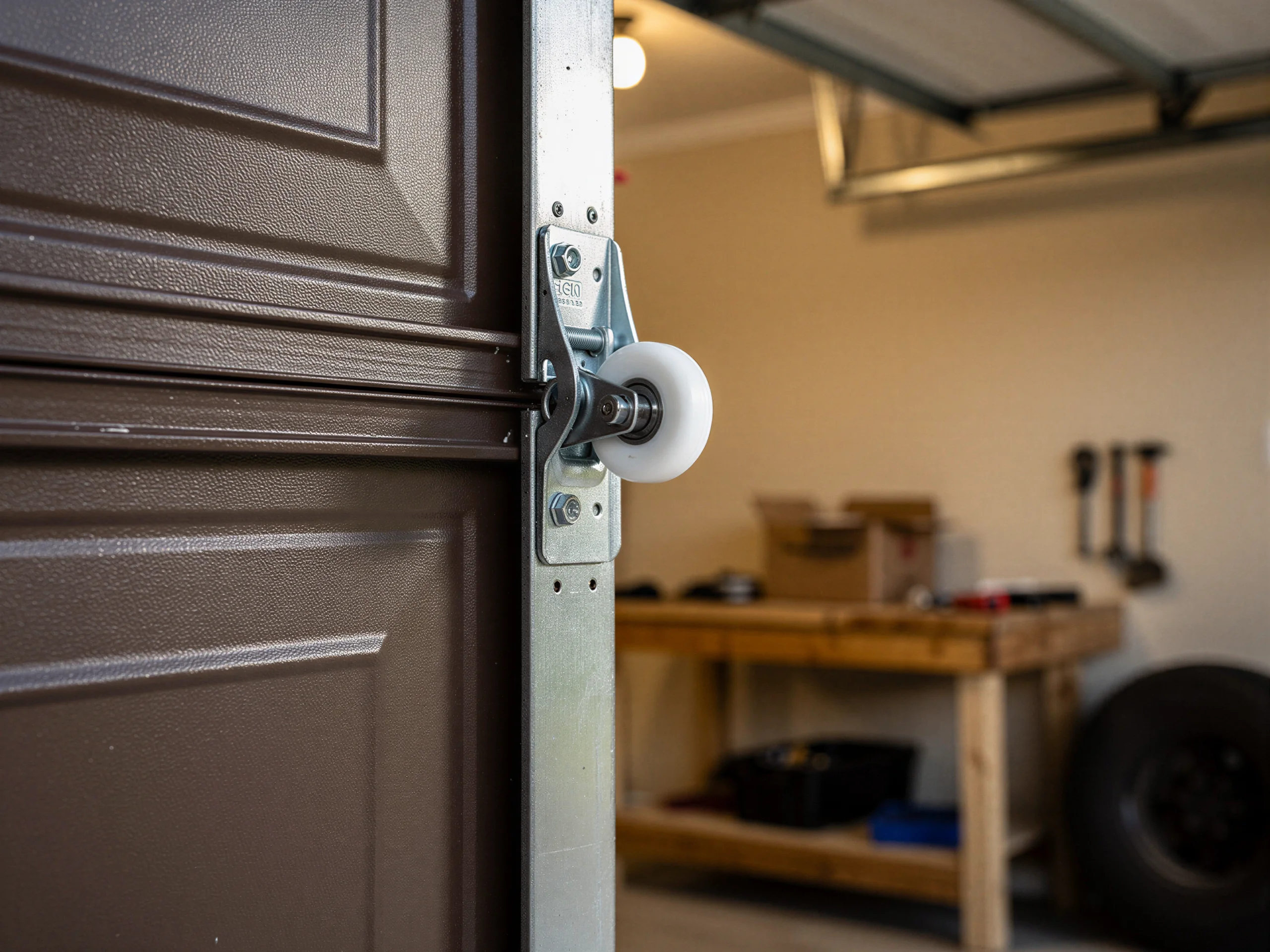
Right behind that: rollers and hinges that have gone stiff or cracked from decades of temperature swings, which shows up as a door that shudders or jumps partway through its travel.
We also see tracks that have pulled slightly away from the frame, usually from age rather than any one event, which throws the door off-square and makes the opener work harder than it should.
Openers themselves fail less from age and more from worn drive gears or weak capacitors, especially in units that have already been swapped once since the house was built. None of this is dramatic - it's ordinary wear accumulated over a long time on an older housing stock.
On the truck
For a town like this, the truck carries what fits a 1950s-era door: standard torsion and extension springs in common sizes, replacement rollers and hinges, track sections, and cables. We stock the parts that match openers from the last couple of install generations, since that's what turns up most often on repeat visits in an area this size. What we don't carry is a limitless parts shelf - a door with an unusual panel size or a long-discontinued opener model might need a part ordered in, and we'll say so up front rather than pretend otherwise. Honest answer: not every job gets fixed same-visit if the part isn't common.
The repair
A spring replacement means disconnecting the opener, releasing tension safely, pulling the old spring, and setting a new one matched to the door's weight - critical on an older door where the panel material and weight may not match a modern lookup chart exactly.
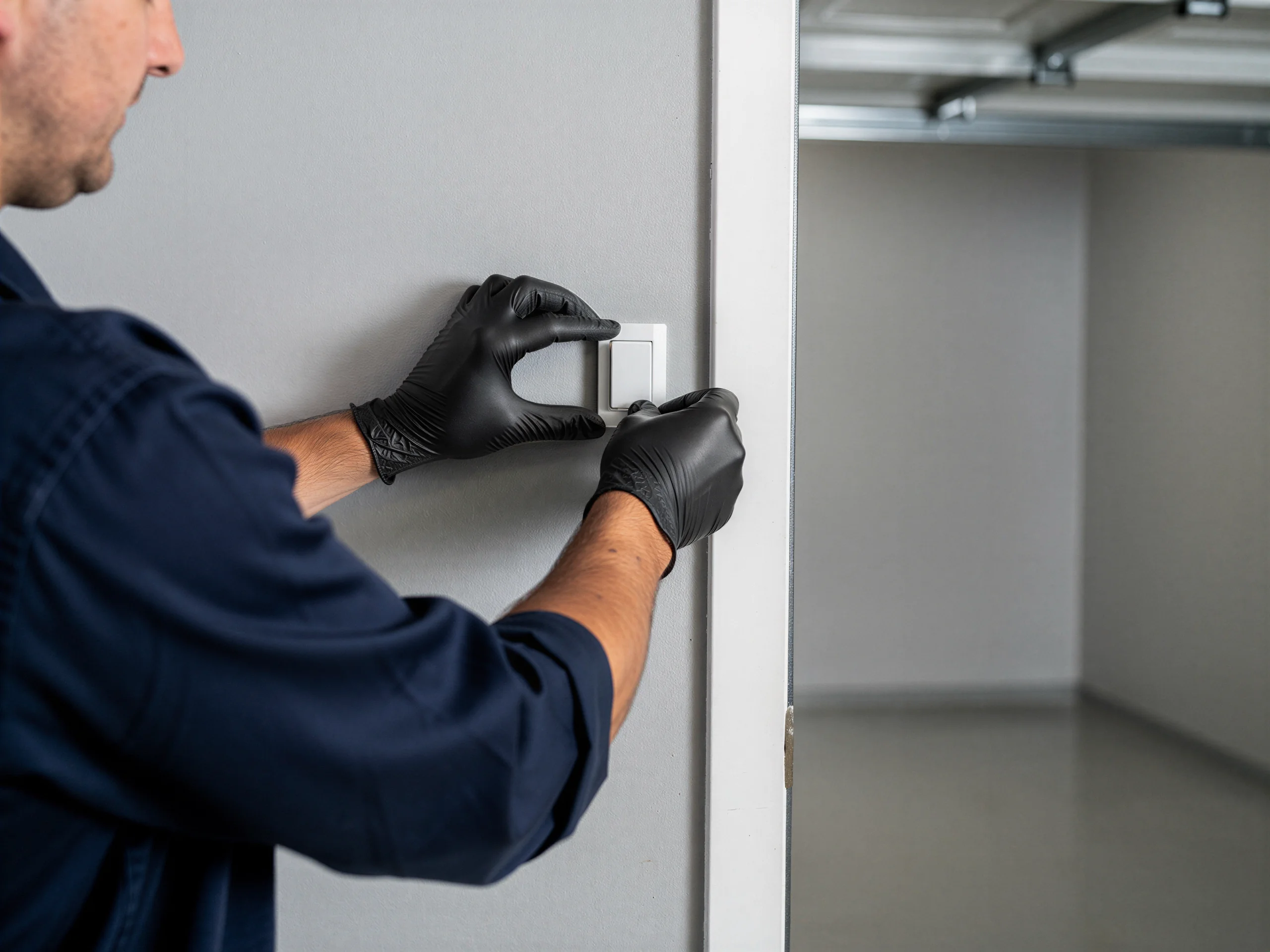
A track repair means loosening the mounting brackets, resetting the track to plumb, and retightening into framing that's had decades to shift. Opener work usually comes down to replacing a drive gear kit or the whole unit if the motor's gone, then reprogramming the remote and sensors.
On any of these, we test full open-close cycles under load before calling the job done - not just a visual check, but the door actually run through its travel with its usual amount of weight on the springs.
Pricing
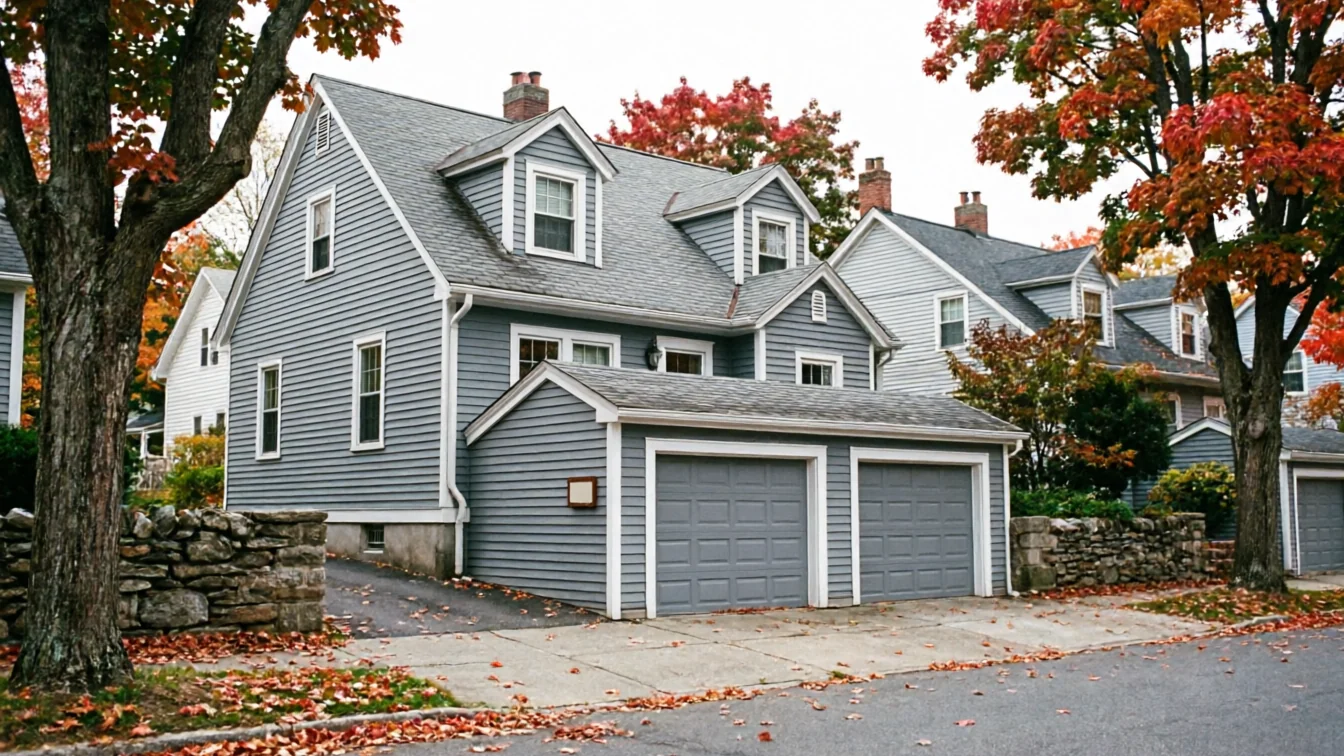
We don't have a posted price list for this page, and it would be guesswork to give you one without seeing the door. What drives cost here is usually the same two things: spring size and opener age, both shaped by that 1953-era housing stock. A single spring job is a different number than an opener swap, and a door still running factory-original hardware from decades back sometimes costs more to match parts for than a newer one. Call and describe what the door is doing - sticking, grinding, dead opener - and you'll get a real number for the job in front of you, not a range pulled from a different town's houses.
Questions
No - we run out of Harrisburg, about 3 miles away, and cover Camp Hill from there. There's no local branch or depot here; the truck comes to you.
This area sits in a cold, severe winter climate, and steel springs lose tension and snap more easily in sustained cold. On a house built around 1953, that spring has likely had decades of freeze-thaw cycles working against it already.
We stock common spring sizes, rollers, hinges, and parts for recent opener generations. A less common or long-discontinued model may need a part ordered in - we'll tell you that before starting the job, not after.
Depends on the door. If the track and frame are sound and it's just a spring or roller, repair makes sense. If the panel itself is warped or the opener's drive system is shot on top of other wear, replacement often costs about the same as stacking repairs.
Explore more
Ready when you are
Harrisburg Garage Door Pros repairs and installs garage doors, springs and openers in Harrisburg, PA and the surrounding area.