
Loaded truck timing
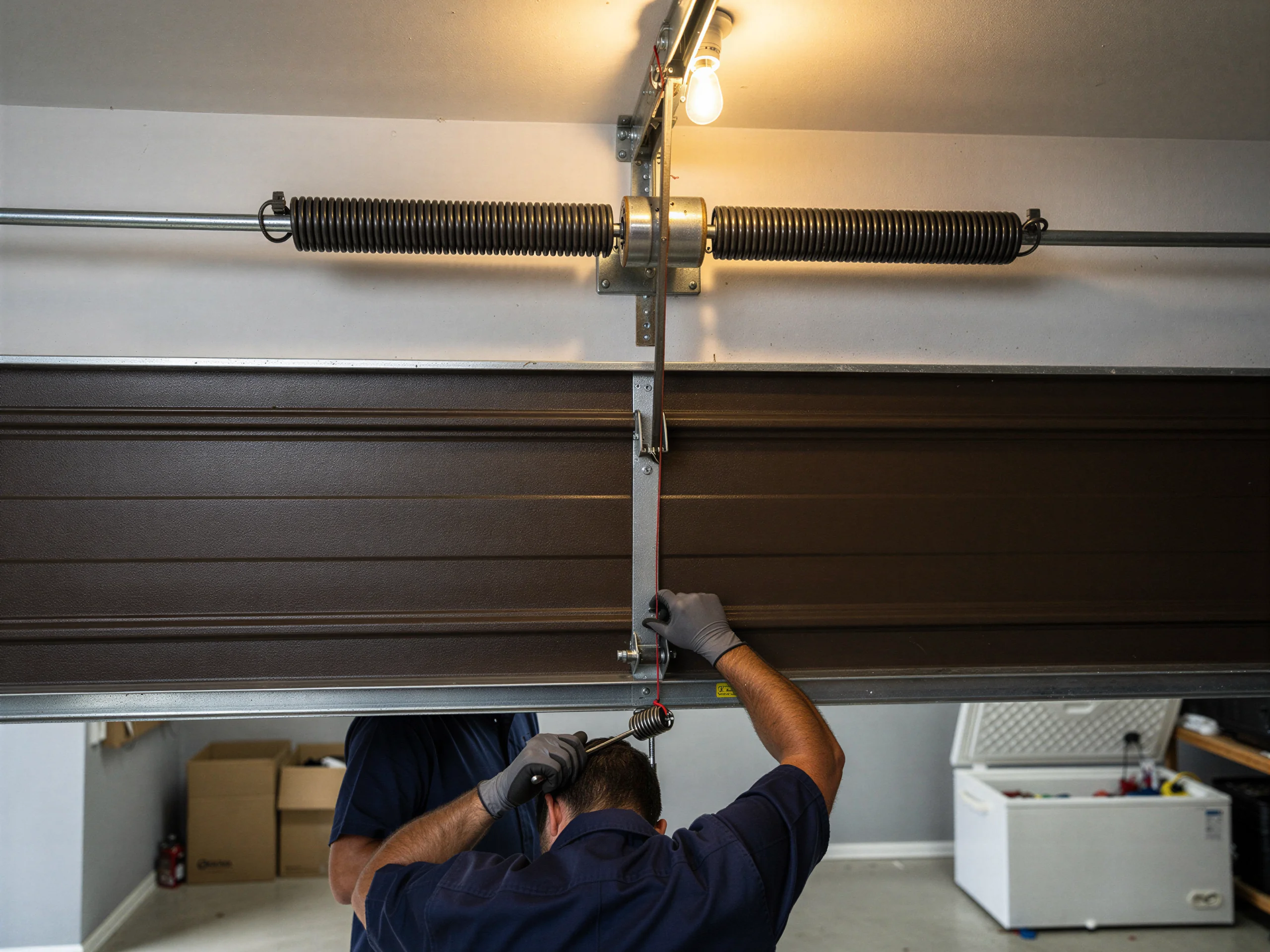
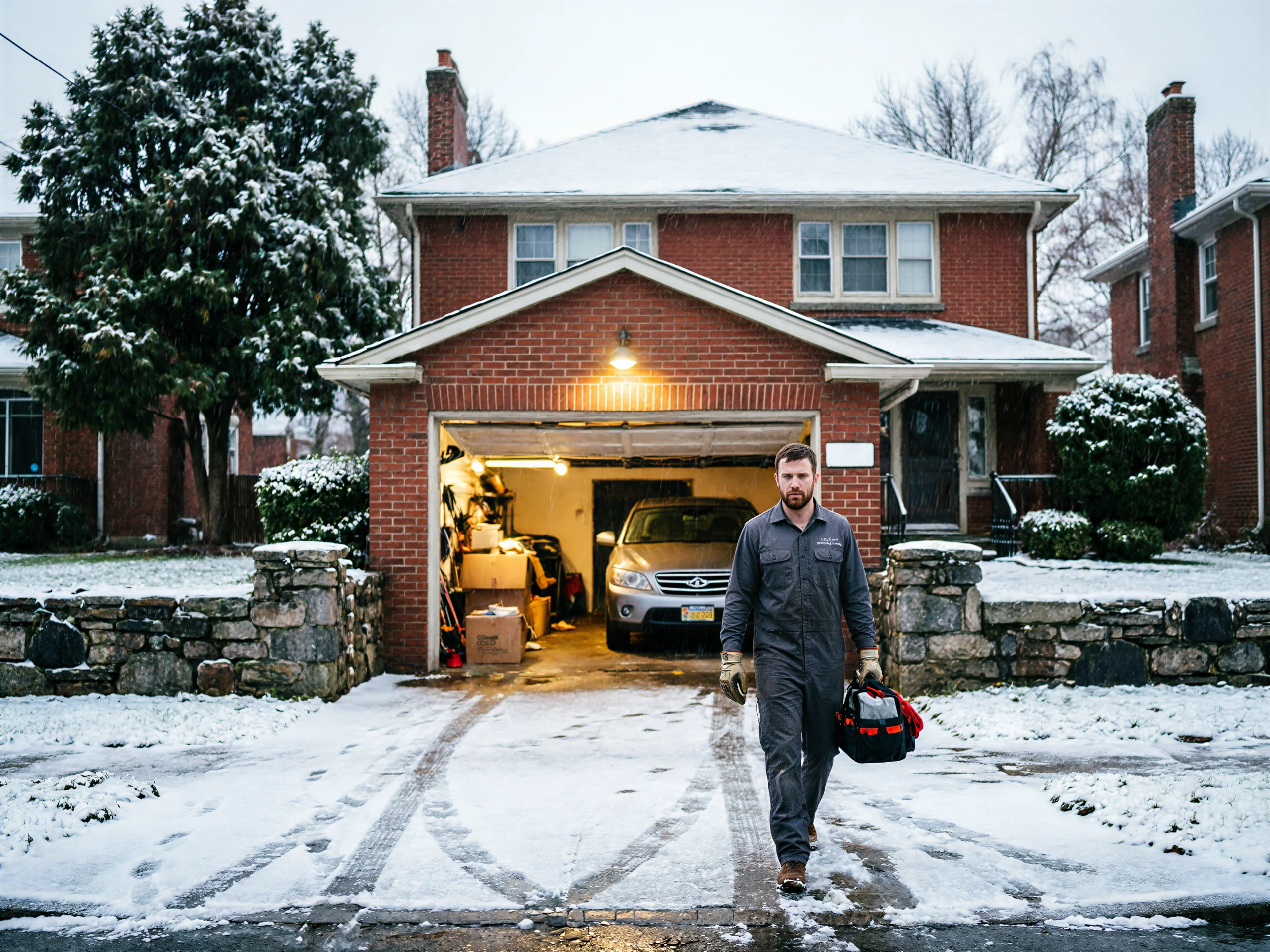
Once we're on site, a standard torsion spring swap on a single door runs about the same window it would anywhere in the area - the clock starts when the truck's loaded, not when it leaves the yard.
Camp Hill, Harrisburg
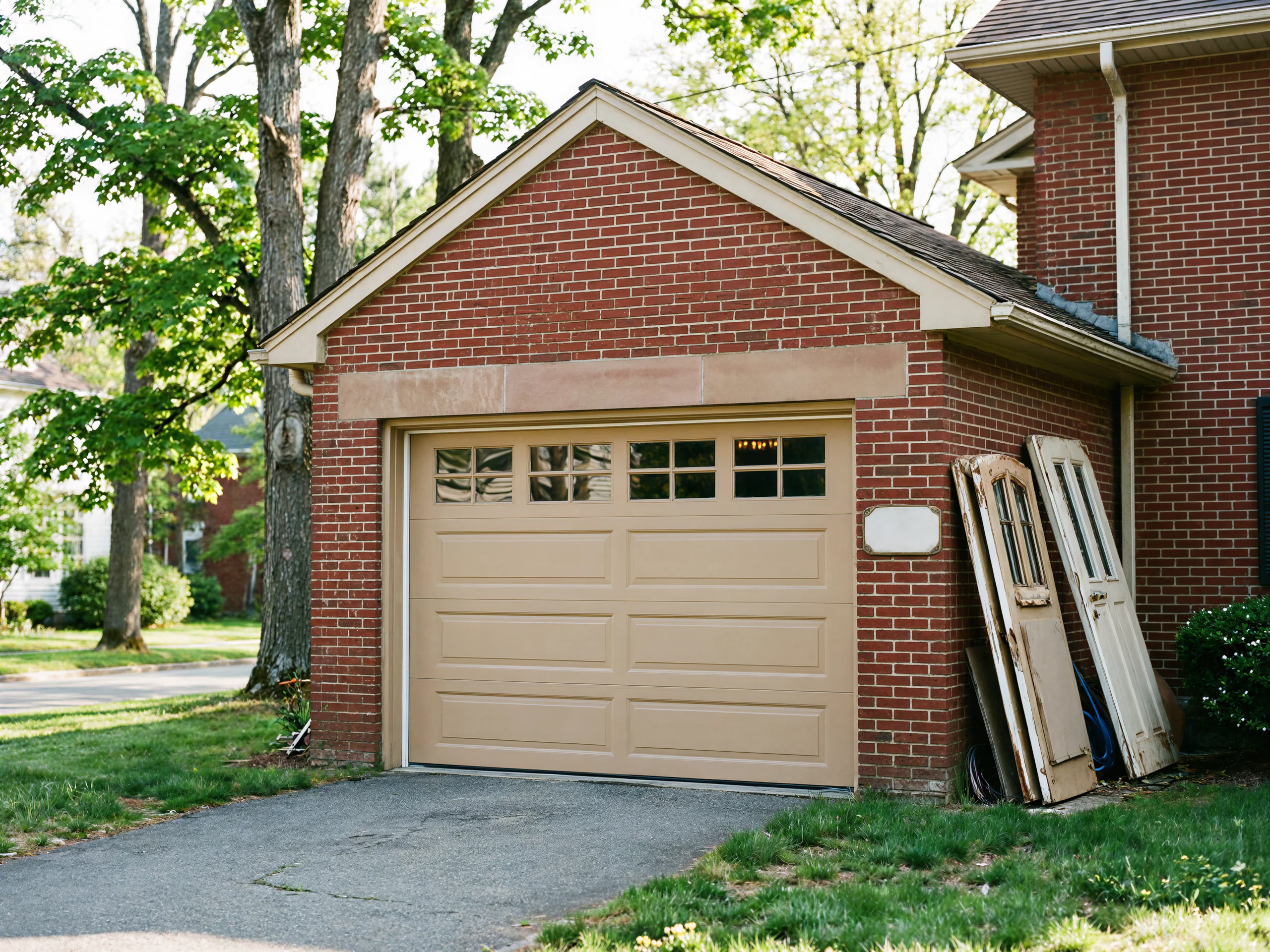
Torsion spring repair for Camp Hill's 1950s-era garage doors, serviced from our Harrisburg shop three miles away. Same hardware knowledge, no guesswork on parts.
Timing
Camp Hill sits three miles from our Harrisburg shop, close enough that a broken spring call here doesn't eat half the visit in drive time the way some farther stops do.
Once we're on site, a standard torsion spring swap on a single door runs about the same window it would anywhere in the area - the clock starts when the truck's loaded, not when it leaves the yard.
What changes in Camp Hill is what we load before we go. A lot of these houses were built around 1953, well ahead of the service area's overall 1970 median build year, which means older spring and drum combinations that aren't sitting on a standard shelf.
We try to carry the common older sizes, but if a house has a spring nobody stocks anymore, the first trip becomes a measure-and-order visit instead of a same-day fix. That's not a Camp Hill problem specifically - it's an older-housing problem, and Camp Hill has more of that housing than most of the towns we cover.
Local causes
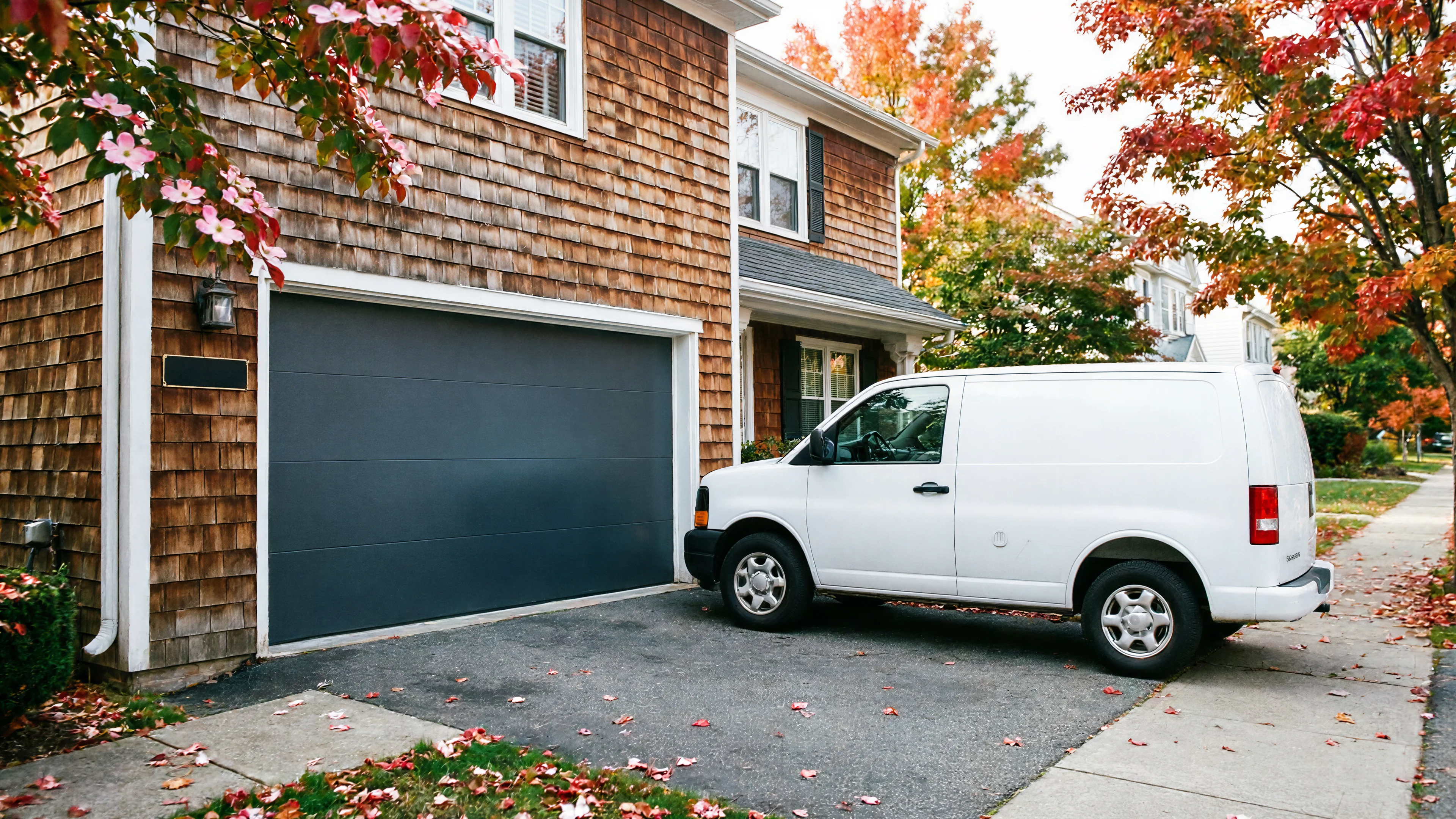
A torsion spring is rated for a set number of open-close cycles before the steel fatigues and lets go, usually without warning. In a town built mostly around 1953, a lot of those springs have either been replaced once already on a mismatched cycle rating, or they're original and well past due. Add in a winter that falls in the same severe cold band as the rest of this region - steel contracts in the cold, and a spring already near the end of its life is more likely to snap on a sub-freezing morning than a mild one. Camp Hill's median household income runs well above the $79,688 average across our coverage area, and we see that reflected in the work: more owners replacing both springs as a pair instead of patching one side, because they'd rather not get the same call again in six months. That's a reasonable call on a 1950s door - the second spring is usually close behind the first one that failed.
Watch-outs
On a house built around 1953, the spring is rarely the only thing we find tired. Original one-piece or early sectional doors in this era often ran on side-mounted hardware that's been retrofitted at some point, and the bearing plate or center support holding the spring can be as old as the door.
If the cable drums are the original stamped-steel kind, they can be cracked or undersized for the door's current weight if panels were ever swapped. We also check the torsion bar itself for rust pitting, which is common on doors that have sat through decades of this region's cold, damp winters.
None of this means the whole door needs replacing - most of the time it's a spring and maybe a drum. But walking in assuming it's only the spring, on a house this age, is how a tech ends up back on site a second time for a part he should have caught the first visit.
On the truck
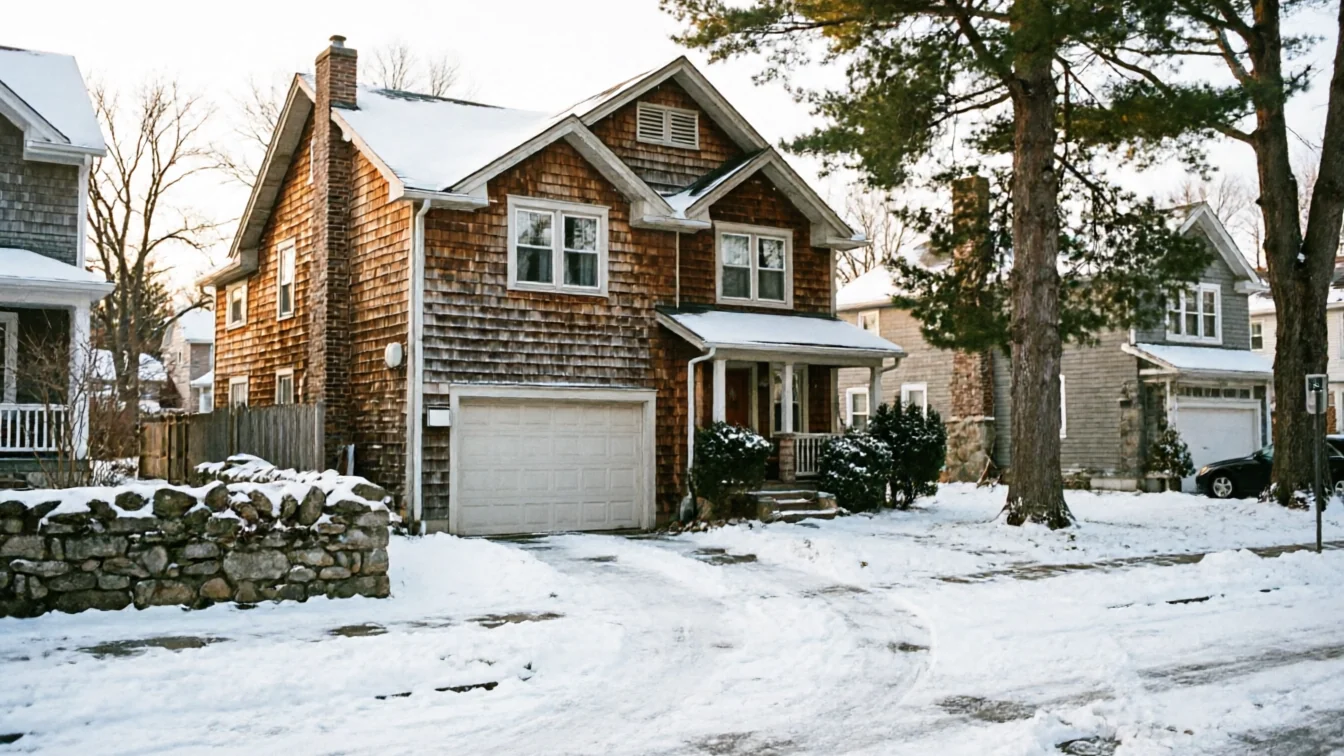
We stock the torsion spring sizes that cover most of what's out there in this part of the service area, which includes a fair number of older wind patterns given how many houses here date to the early 1950s and before. What we can't promise is that every original spring size from a 65-plus-year-old door is sitting in the truck - some of the oldest wire gauges just aren't made anymore, and on those we fit the closest modern equivalent rated for the same door weight rather than hunting for an exact match that doesn't exist. We also carry standard drums, bearing plates, and the safety cables that should be on every torsion setup but aren't always there on older installs. If a job needs a full torsion bar replacement rather than just springs, that's usually a second trip once we've confirmed the bar length and drum spacing on site.
The repair
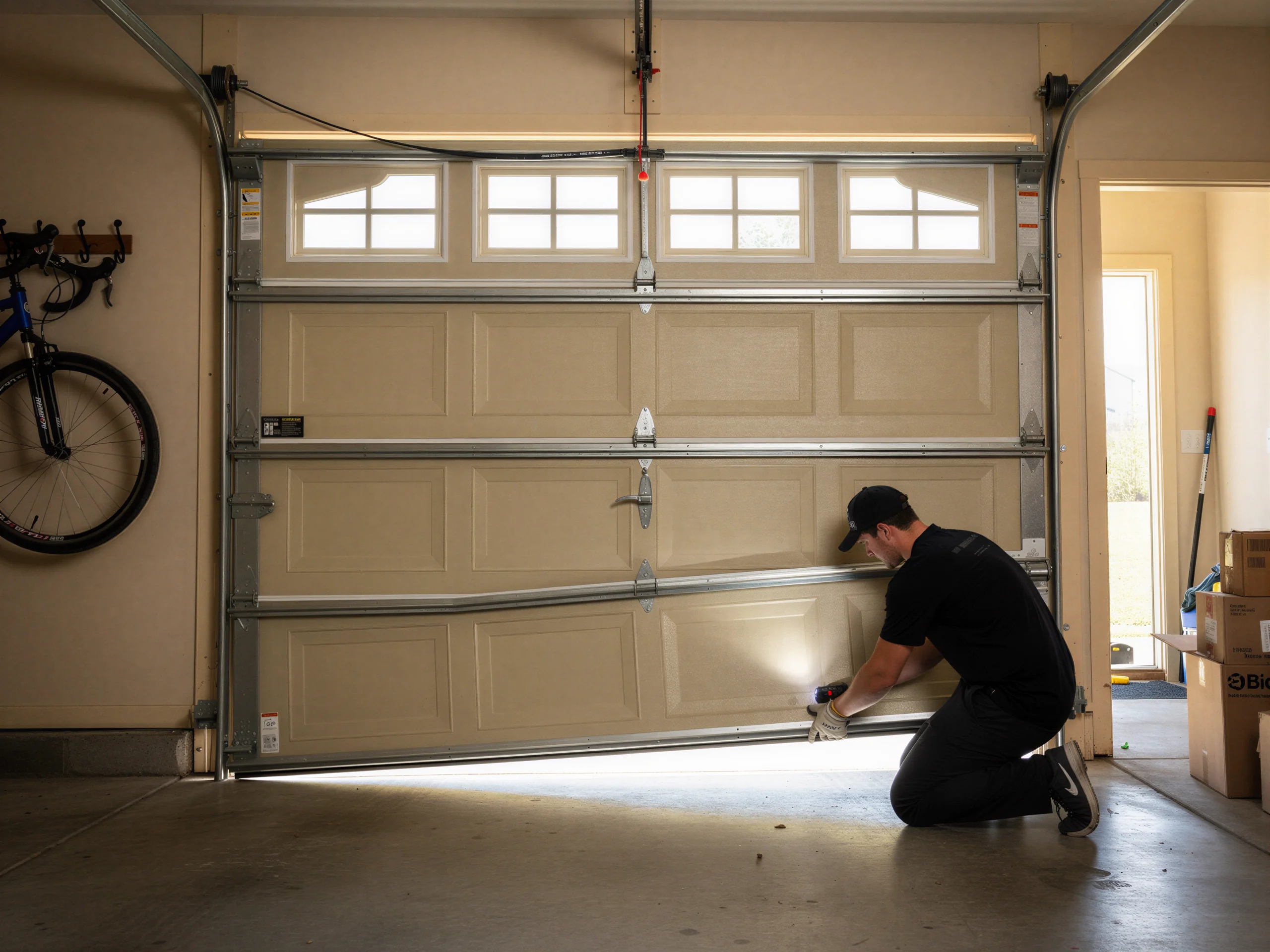
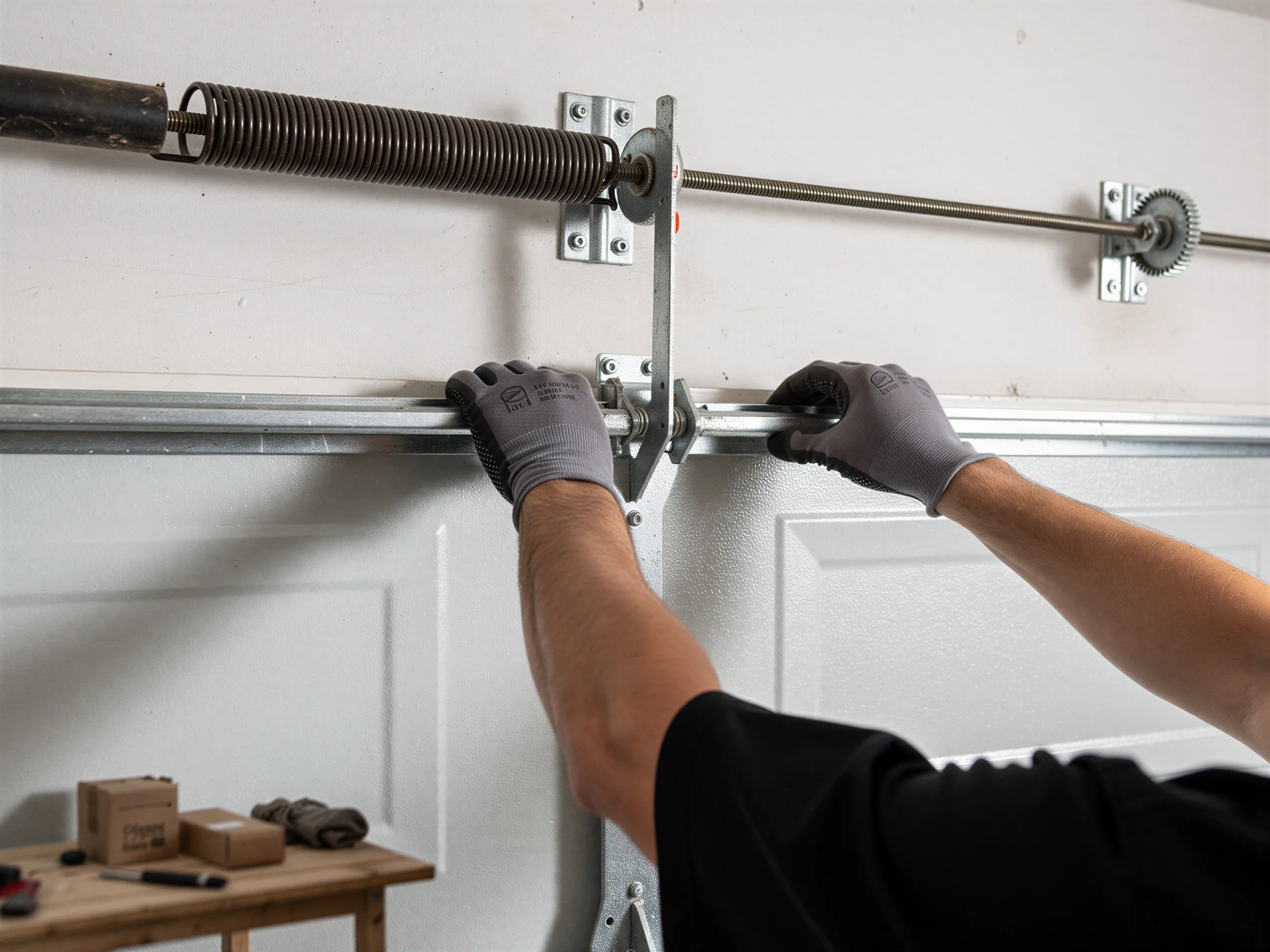
We unload spring tension safely before touching anything else - that step doesn't change by town, it's just the right order of operations on any torsion system.
From there we pull the old spring, inspect the drums, bearing plate, and torsion bar for wear, and replace what's actually failing rather than swapping parts on a guess.
On a lot of the older Camp Hill doors we've worked on, that inspection turns up a second issue - a worn bearing or a stretched cable - that wouldn't have been obvious from the driveway.
We replace both springs on a double-spring system when one has failed, since the other is almost always close behind on a door this age. Once the new spring is set and balanced, we cycle the door several times and check the opener's force settings, since a new spring changes how hard the opener has to pull.
Pricing
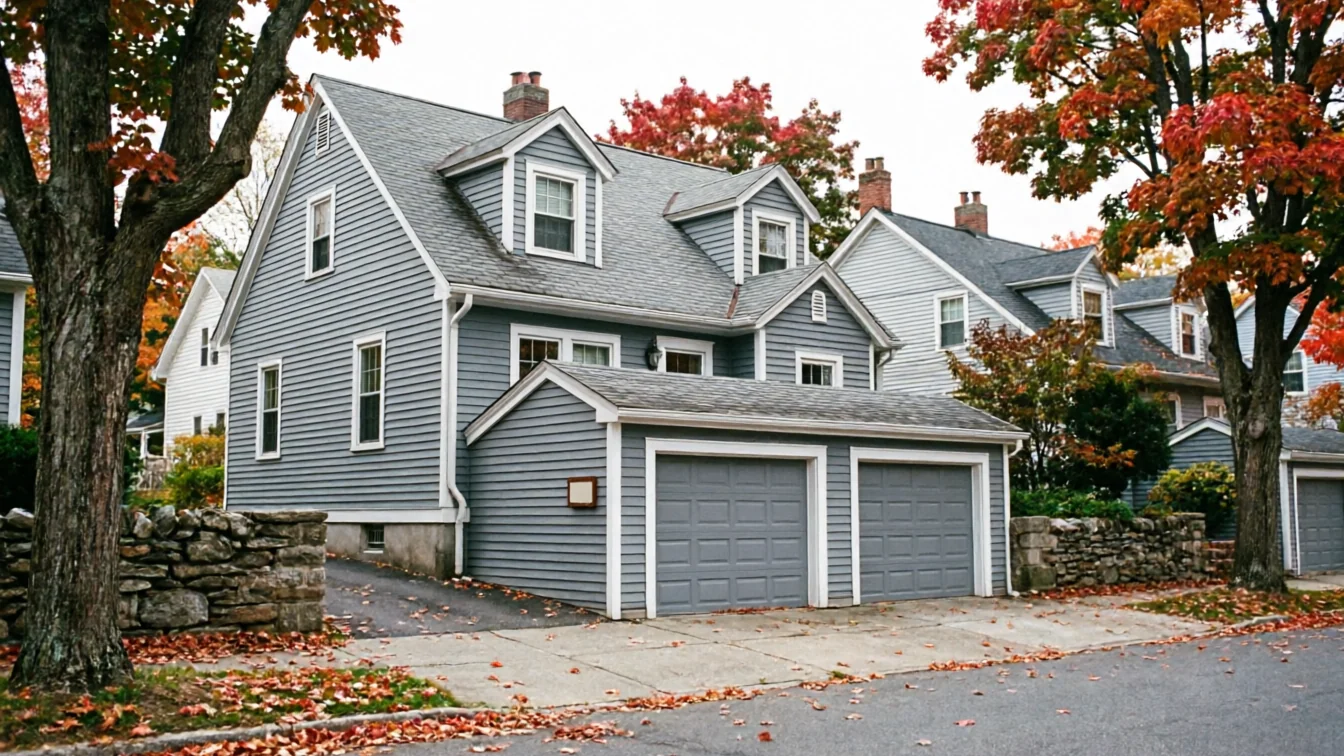
We don't post a flat number here because the job itself isn't flat - a single standard spring is a different cost than a torsion bar and drum replacement on an original 1950s setup, and we won't know which one we're looking at until we've measured the door in person. What we can say is that Camp Hill's older housing stock tends to land on the higher end of spring jobs, simply because the hardware is older and sometimes needs more than just the spring. If a homeowner wants a number before committing to a visit, the clearest way is a quick call where we ask the door's age and symptoms and give a realistic range before the truck ever leaves Harrisburg.
Questions
A lot of Camp Hill was built around 1953, well before the service area's overall 1970 median. Older doors have had more total open-close cycles on their current spring, and some are running on hardware that was never upgraded to current cable and drum standards, which shortens spring life further.
Usually, yes, for common older wind patterns. Some original 1950s-era wire gauges aren't manufactured anymore, in which case we fit the closest modern equivalent rated for the same door weight rather than searching for an exact discontinued match.
Camp Hill is about three miles from our shop, so travel isn't the bottleneck here. What can add time is parts availability on older hardware - if a house needs a bar or drum we don't carry for its specific age, that becomes a second visit.
On a double-spring door where one has failed, we generally recommend replacing both, especially on houses from the 1950s where the second spring has logged roughly the same cycles and is close behind the first. It costs more upfront but avoids a repeat call soon after.
Explore more
Ready when you are
Harrisburg Garage Door Pros repairs and installs garage doors, springs and openers in Harrisburg, PA and the surrounding area.