Cold-rated lubricant stock
We also stock lubricant rated for the cold-severe winters this region gets, since the wrong grease just gums up at low temperatures instead of protecting anything.
Colonial Park, Harrisburg
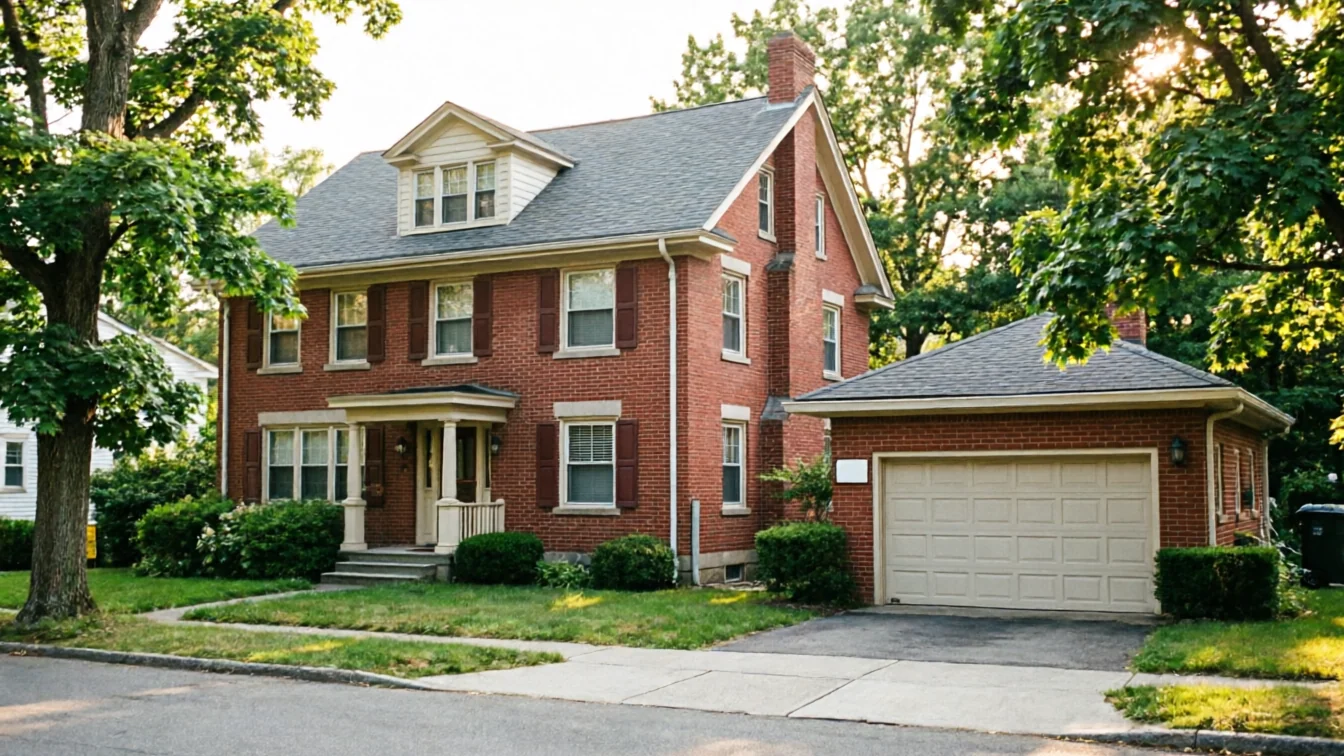
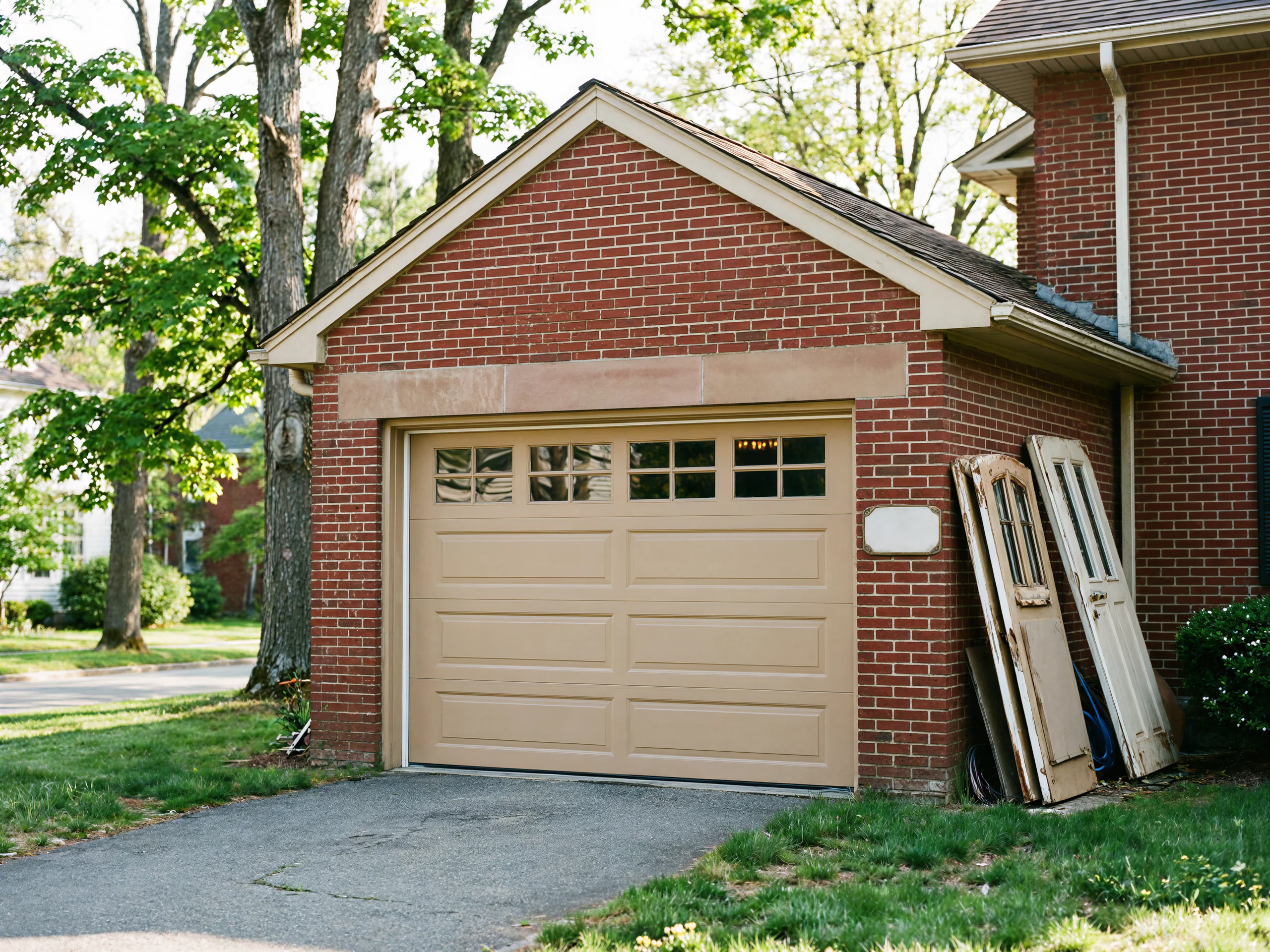
Colonial Park homes mostly date to the mid-1960s. We tune the original torsion hardware and steel panels that age differently than newer Harrisburg-area stock.
Timing
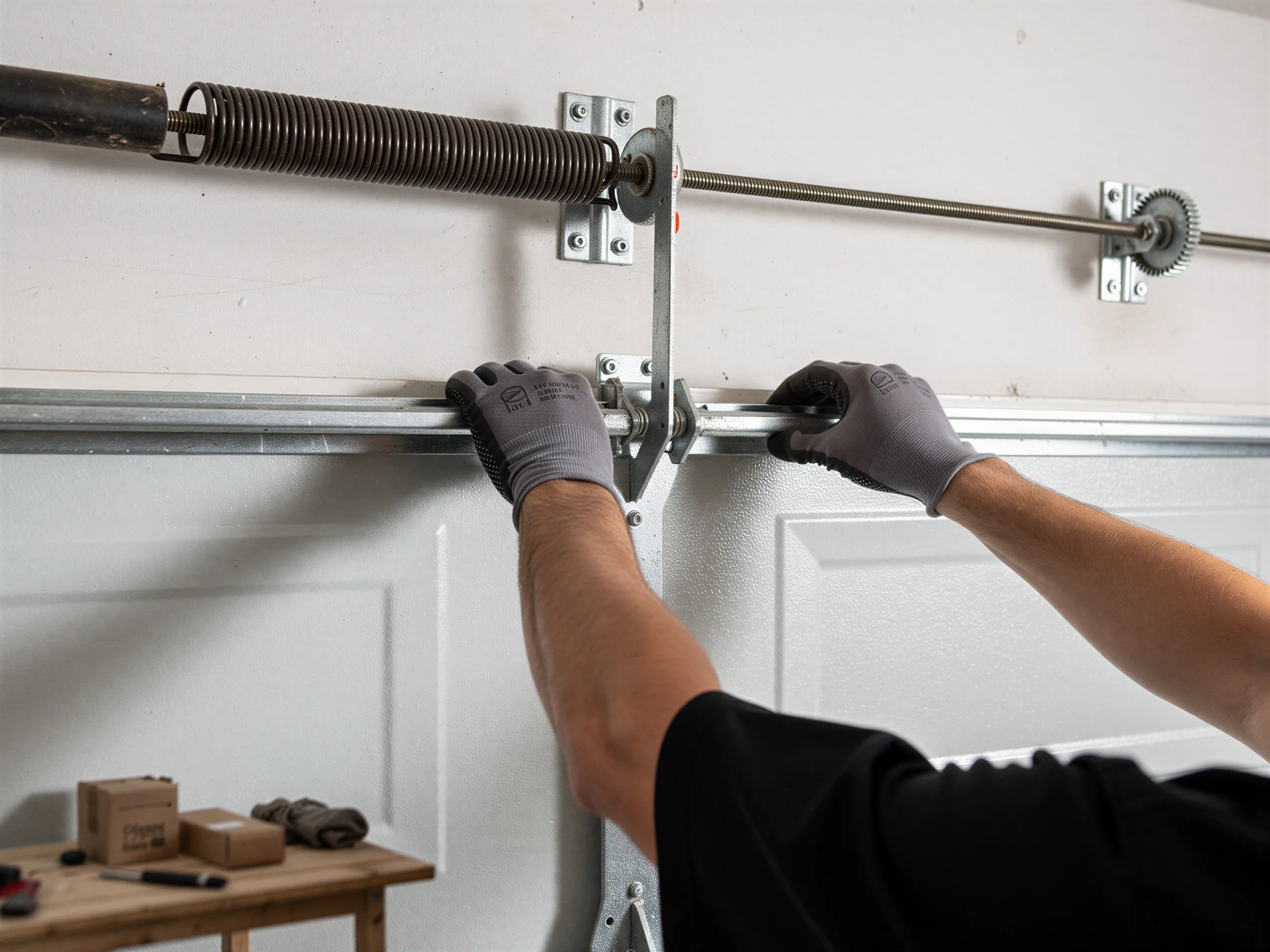
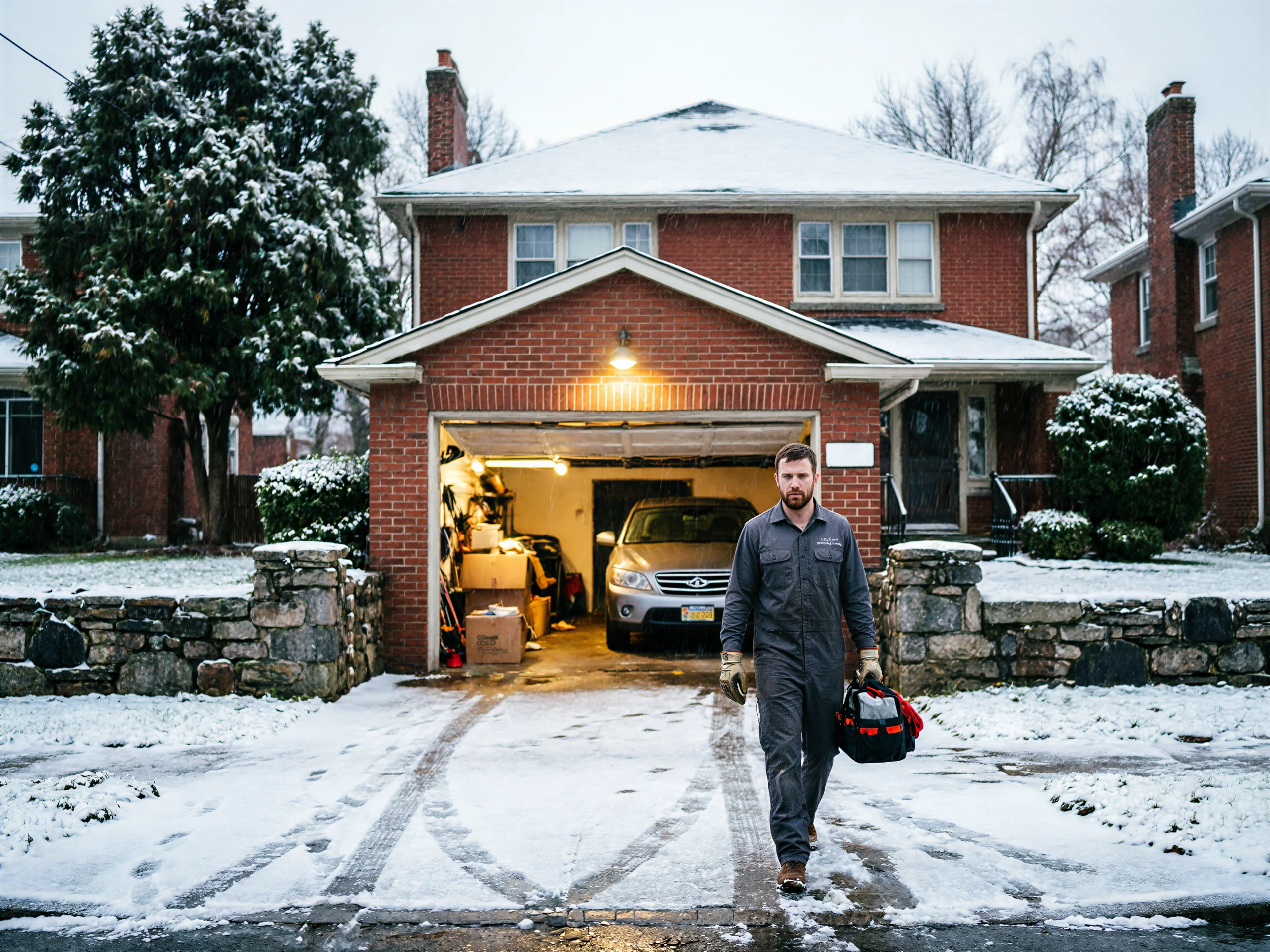
A standard maintenance visit on a single door runs under an hour once the truck is set up, but Colonial Park jobs often take a bit longer on the first visit. The reason is the hardware, not the house size. A lot of doors here are still running the torsion springs and rollers that went in when the house was built, around 1967, and nobody's touched them since. That means more time spent freeing a stiff spring cone or chasing a track that's drifted out of alignment over five decades rather than five years. We travel the 4 miles out from Harrisburg for the call, so we plan for that first-visit variance rather than quoting a flat number that only fits newer doors.
Local causes
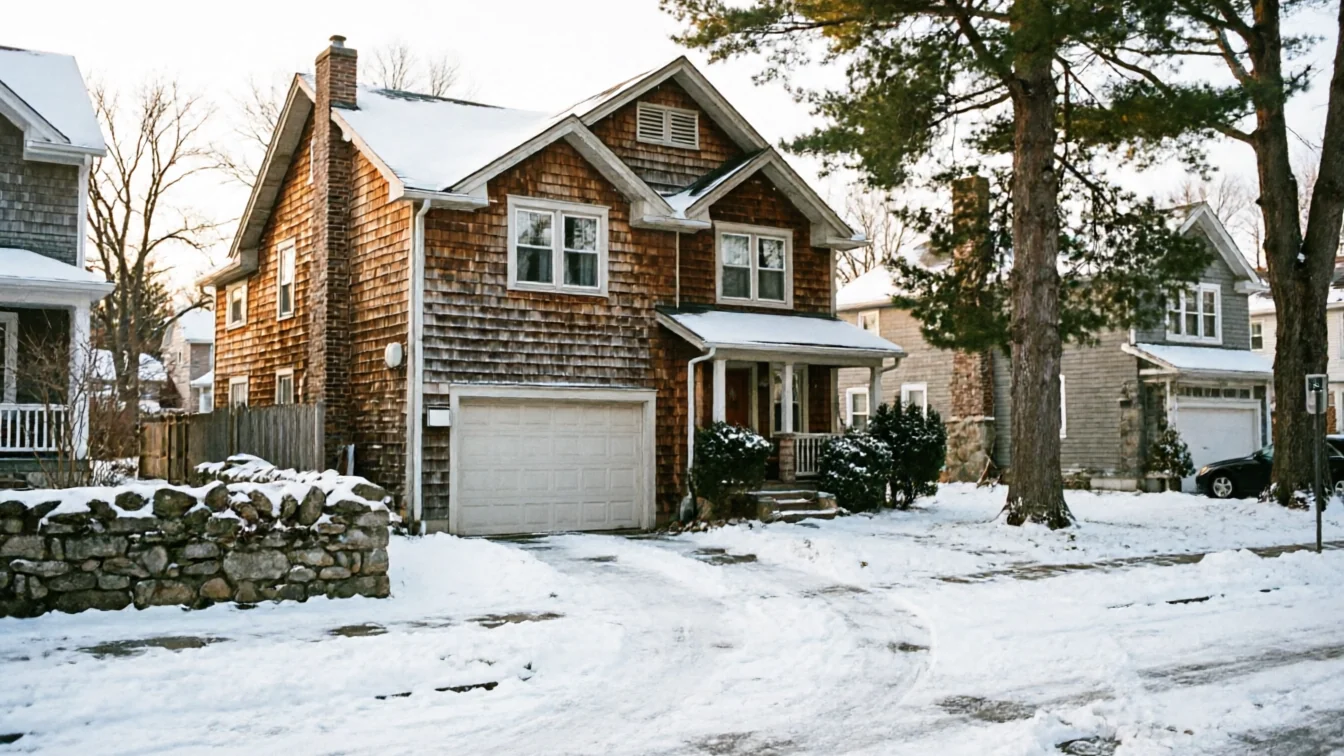
Colonial Park's housing sits mostly in that 1960s-70s band common across this part of the service area, and that generation of door came with galvanized hardware that wasn't built to be serviced indefinitely. The zinc coating on original springs and end bearings thins out over decades of winter use, and once it goes, rust sets in from the inside of the coil where you can't see it. Add the cold-climate conditions this region sees every winter and the oil in an unmaintained bearing gets stiff right when the opener is working hardest to lift a door that's gained weight from moisture. The failure mode isn't dramatic, it's a slow stiffening that owners write off as "the door's just old" until a cable finally jumps the drum.
On the truck
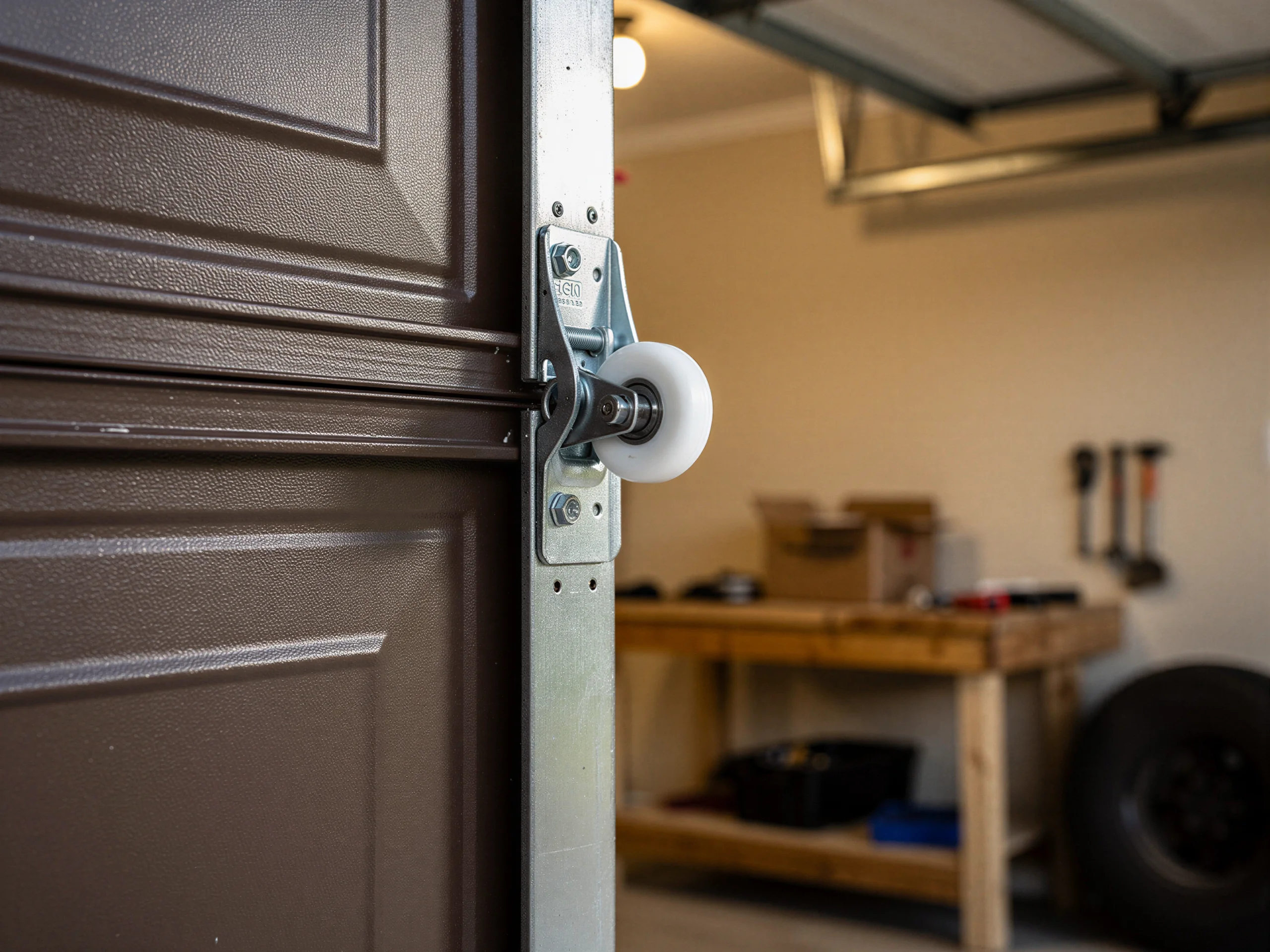
For a Colonial Park maintenance call we carry torsion springs sized for the lighter steel doors common to 1960s-70s construction, along with galvanized cable, nylon and steel rollers, and track hardware sized to older jamb widths that don't always match what's sold off the shelf today.
We also stock lubricant rated for the cold-severe winters this region gets, since the wrong grease just gums up at low temperatures instead of protecting anything.
What we don't carry is custom insulated panel sections to match an original door's exact profile - if a panel's cracked or dented on a door this old, we're usually looking at a full section replacement, not a patch.
Watch-outs
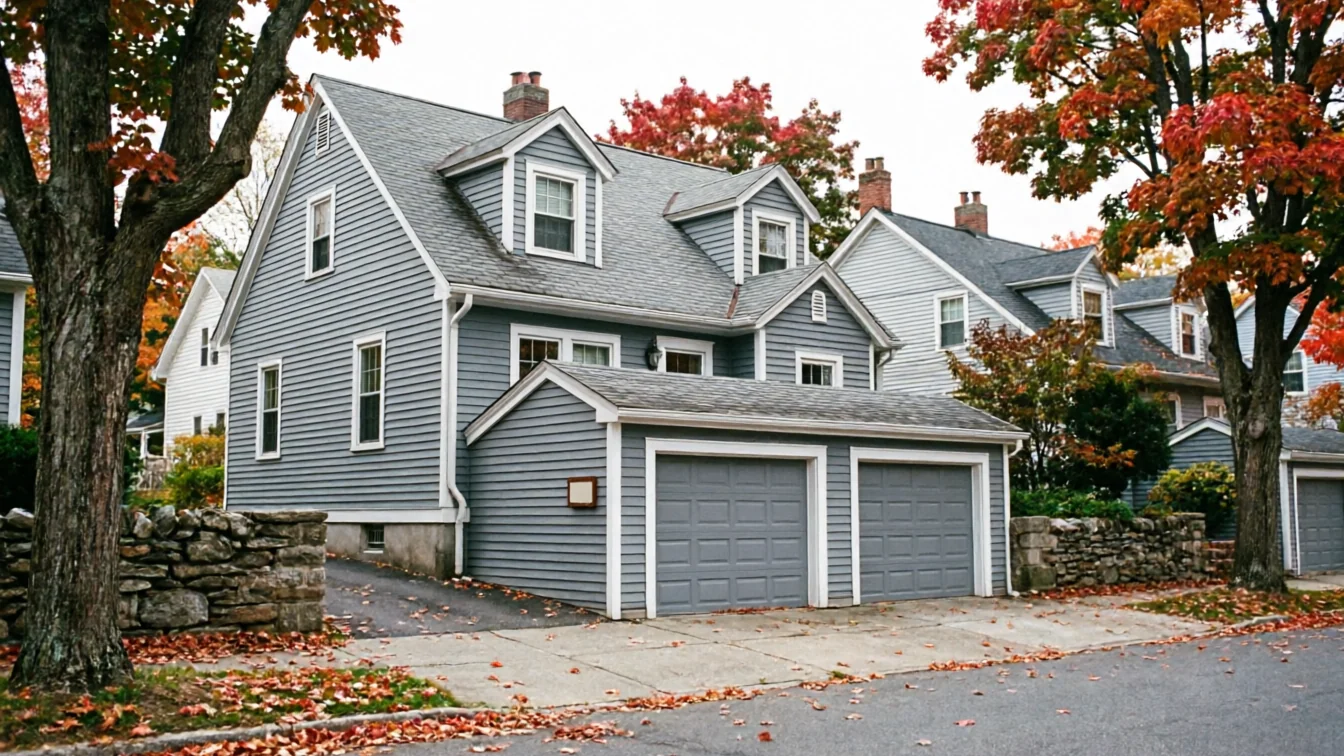
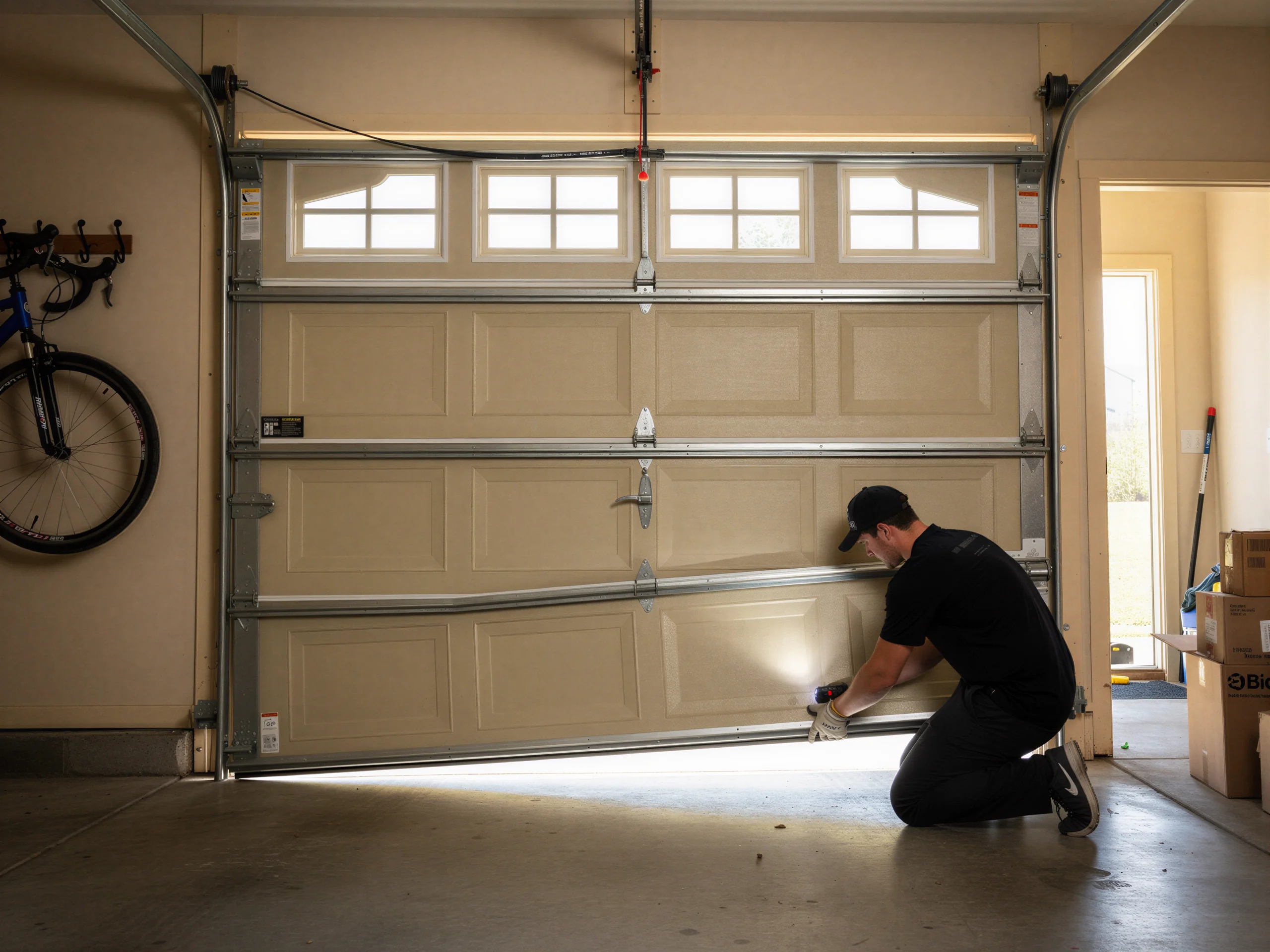
The most common failure we see on Colonial Park's older stock is a torsion spring that's lost temper from age rather than use count - it looks fine, then snaps on an ordinary cold morning. Close behind that is cable fraying at the drum from a roller that's been binding in a track that's shifted slightly out of plumb over the decades. On doors original to a 1967-era build, we also find opener force settings that were never adjusted after the springs weakened, so the opener is straining on every cycle. None of these show up as dramatic symptoms early - they show up as a door that's gotten a little louder, a little slower, until one part finally gives.
DIY or pro
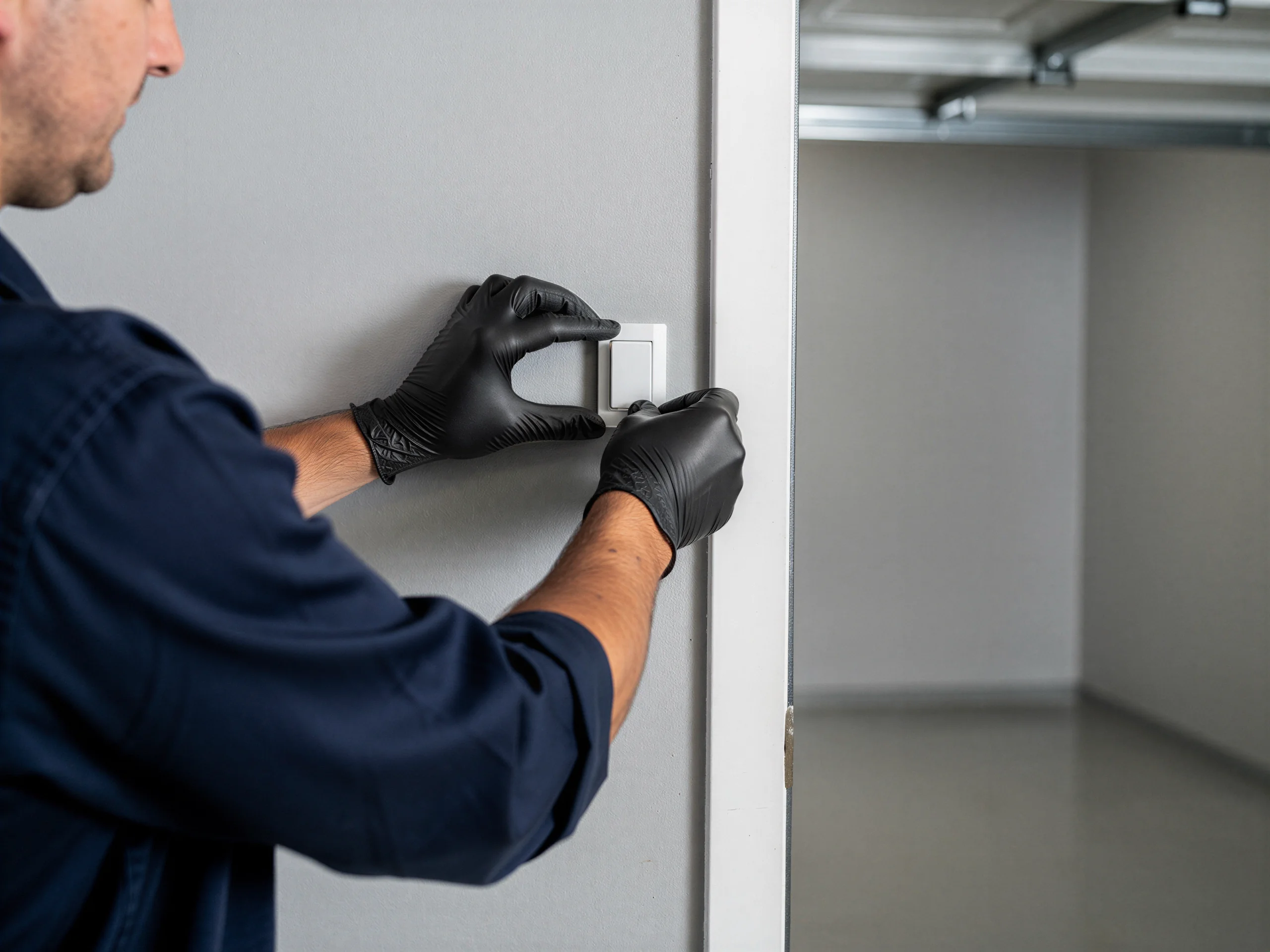
You can handle the basics yourself: wipe down and lubricate the rollers and hinges twice a year, check that the door reverses when it hits an obstruction, and look at the cables for fraying near the bottom bracket.
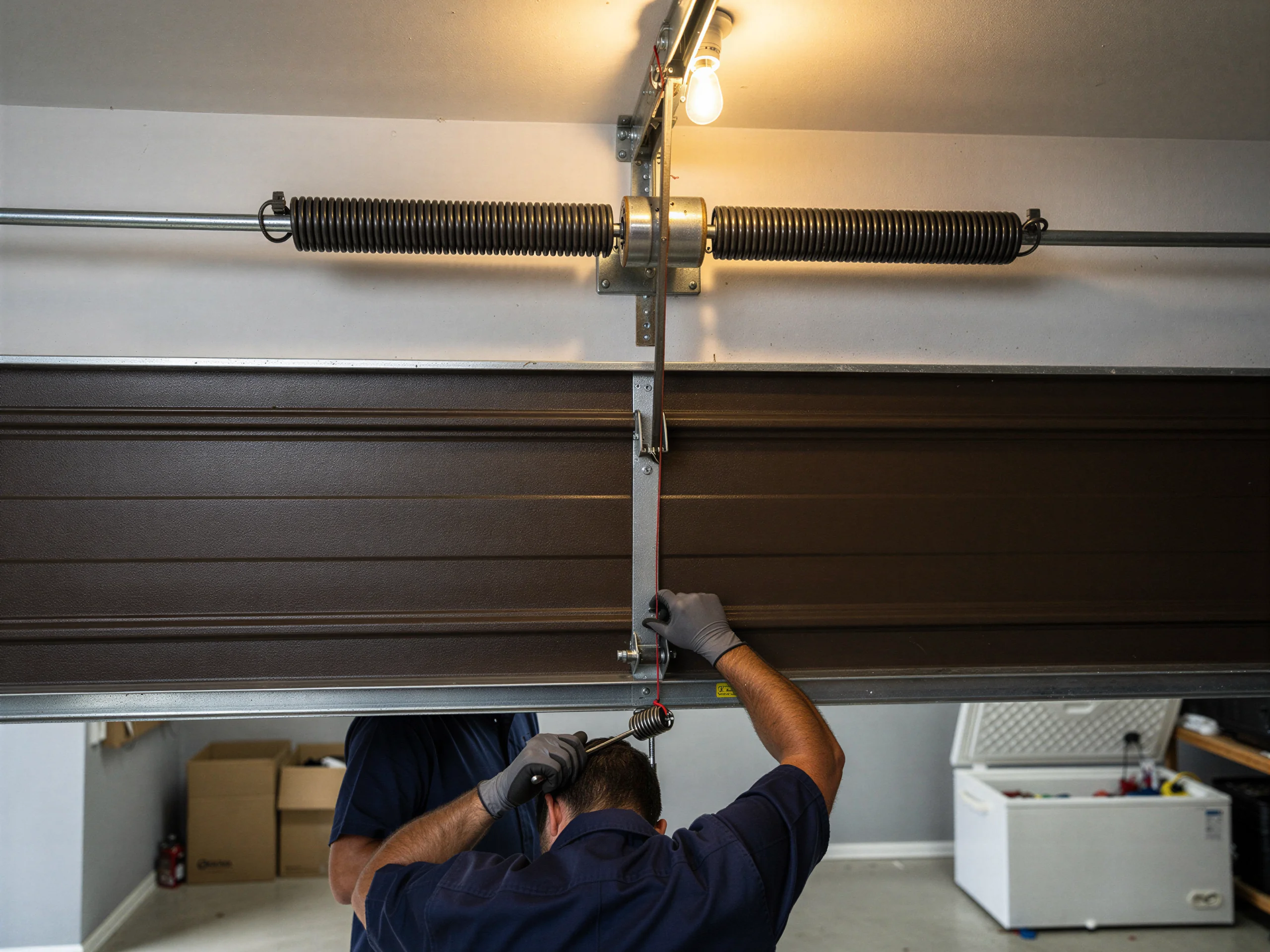
What you shouldn't touch is the torsion spring itself. On a door this age, the spring is under a lot of stored tension and the mounting hardware has had decades to corrode in ways you can't see from the floor.
If the door feels heavier than it used to, or the opener strains and reverses on its own, that's a sign the spring is already compensating for wear - call before it lets go on its own.
The repair
A full maintenance visit on one of these Colonial Park doors means pulling the spring cones to check for rust under the coil, regreasing or replacing bearings that have gone dry, resetting track alignment that's drifted with the house settling, and checking opener force against the door's current weight rather than its weight when new. If the springs are original to the house, we'll tell you straight when replacement makes more sense than another round of adjustment - a 1960s torsion spring that's already stretched or pitted isn't worth re-lubricating for another winter. We'll walk you through both options before we start any work.
Questions
Twice a year is standard almost anywhere, but on doors original to the mid-1960s housing here, we'd lean toward checking cable and spring condition at every visit rather than skipping straight to lubrication. Older hardware shows wear faster once it starts, so catching it at the six-month mark matters more than it would on a newer door.
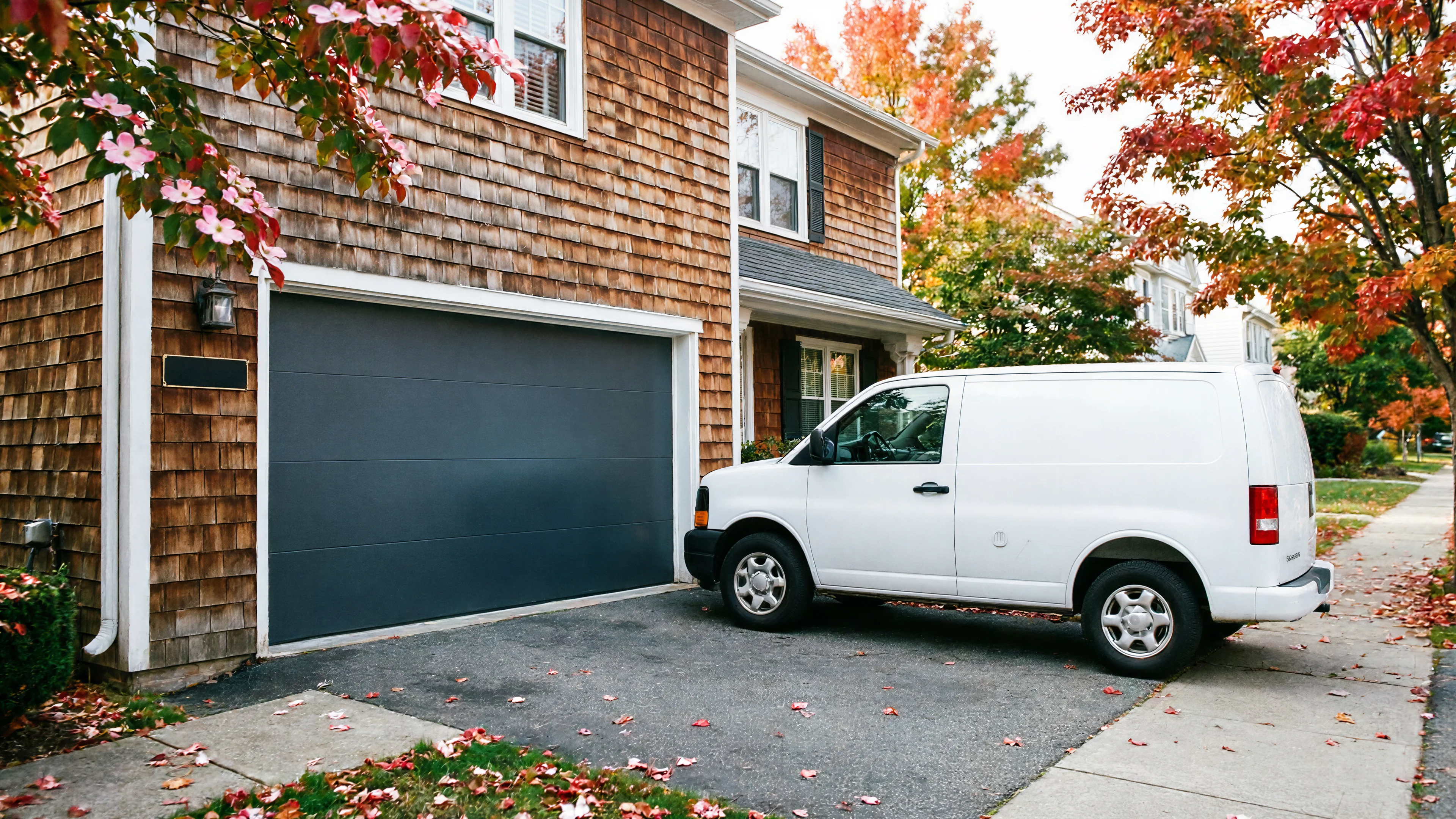
No. We run out of Harrisburg, about 4 miles away, and the truck carries the torsion springs, cable, and rollers sized for the 1960s-70s doors common in this area. There's no separate depot here, so the parts come with the technician on the call.
Often yes, if the panels and track are sound - a tune-up on a mechanically solid 1960s door is far cheaper than a new install. But if the springs are already pitted or the panels are cracked, maintenance just delays a replacement that's coming anyway. We'll tell you which situation you're in before we recommend a direction.
Explore more
Ready when you are
Harrisburg Garage Door Pros repairs and installs garage doors, springs and openers in Harrisburg, PA and the surrounding area.