Single and two car doors
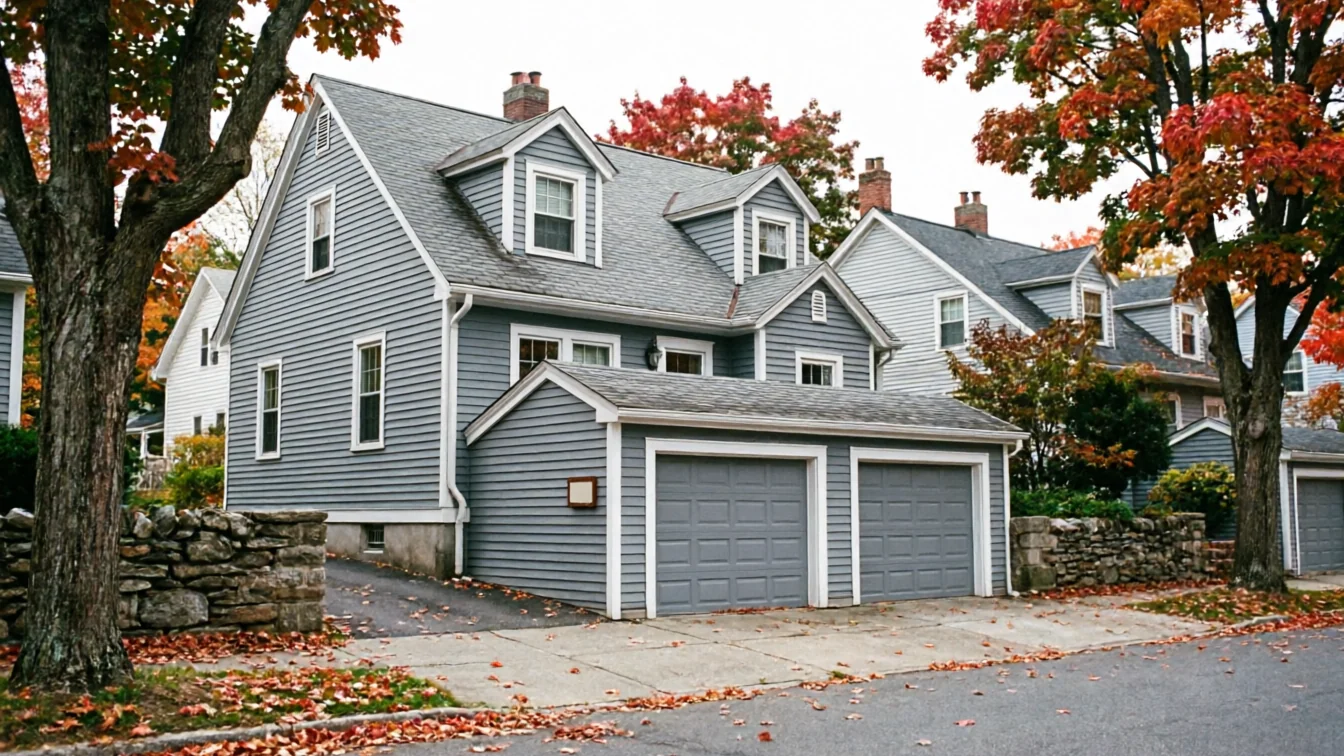
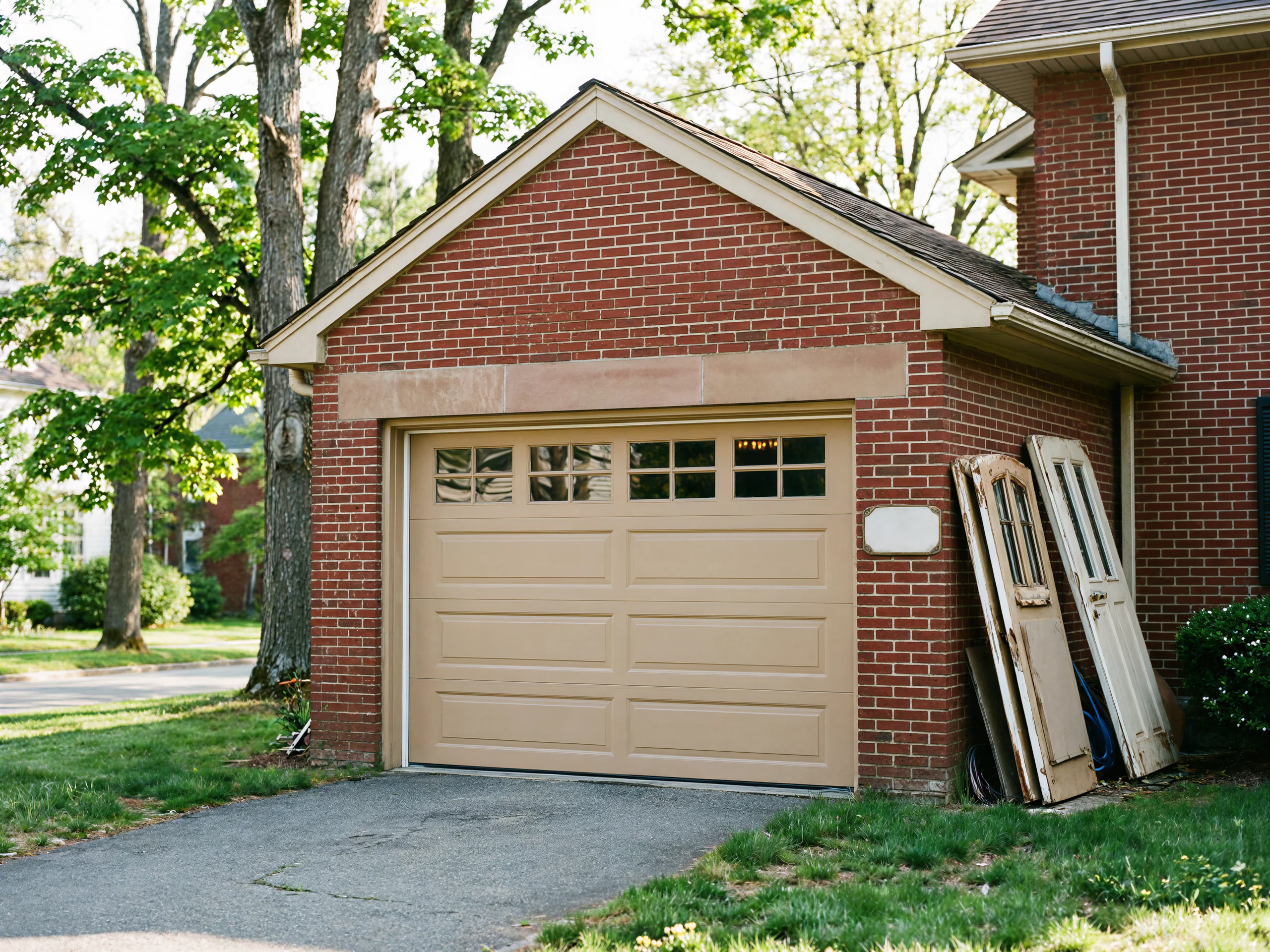
Houses here cluster around a 1967 median build year, which means a lot of single-car and two-car steel doors still running on the torsion hardware that was standard for that generation of construction.
Colonial Park, Harrisburg
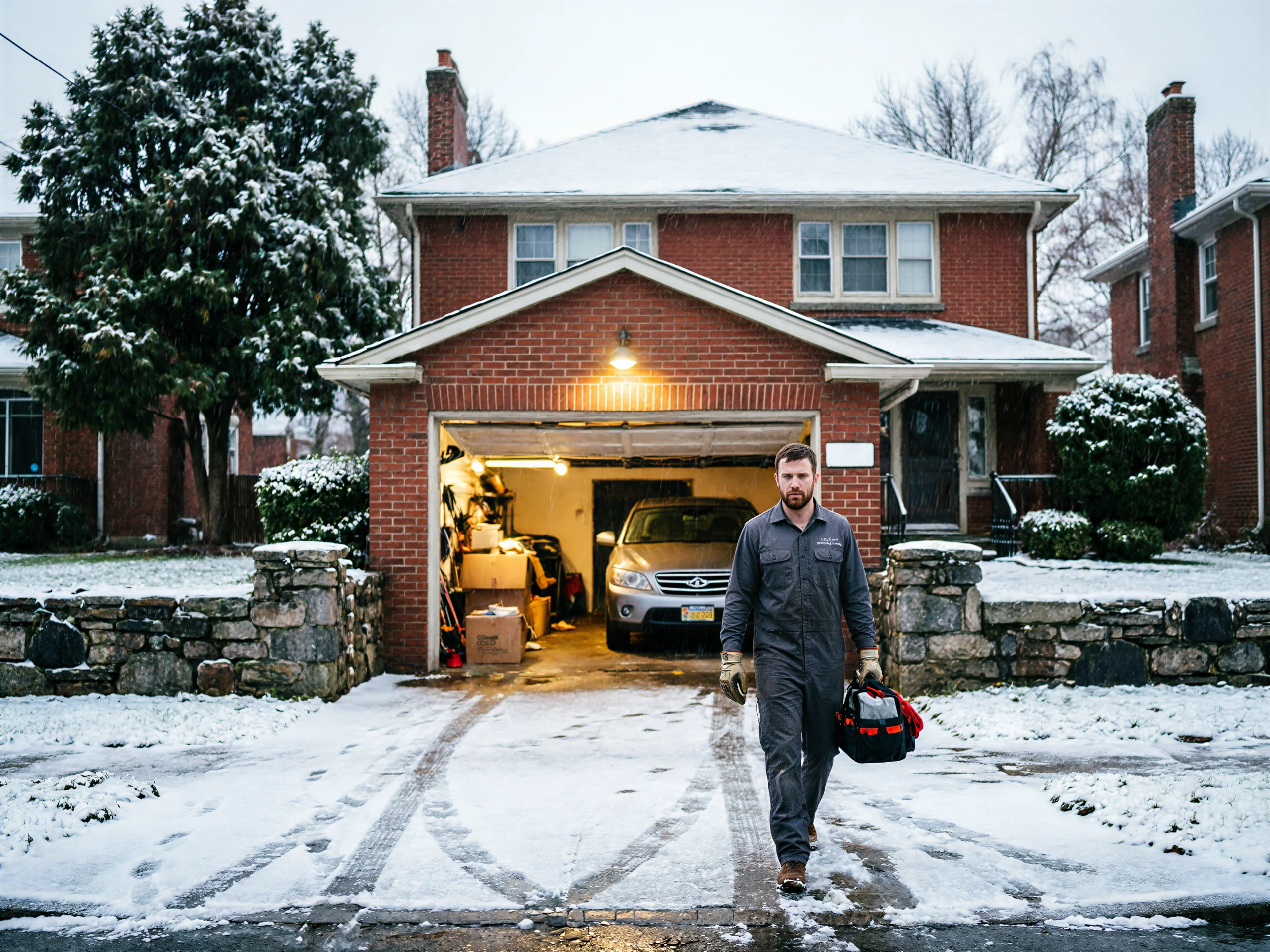
Colonial Park homes went up around 1967, mostly with torsion springs sized for that era's steel doors. We drive out from Harrisburg to fix what that hardware does now.
Timing
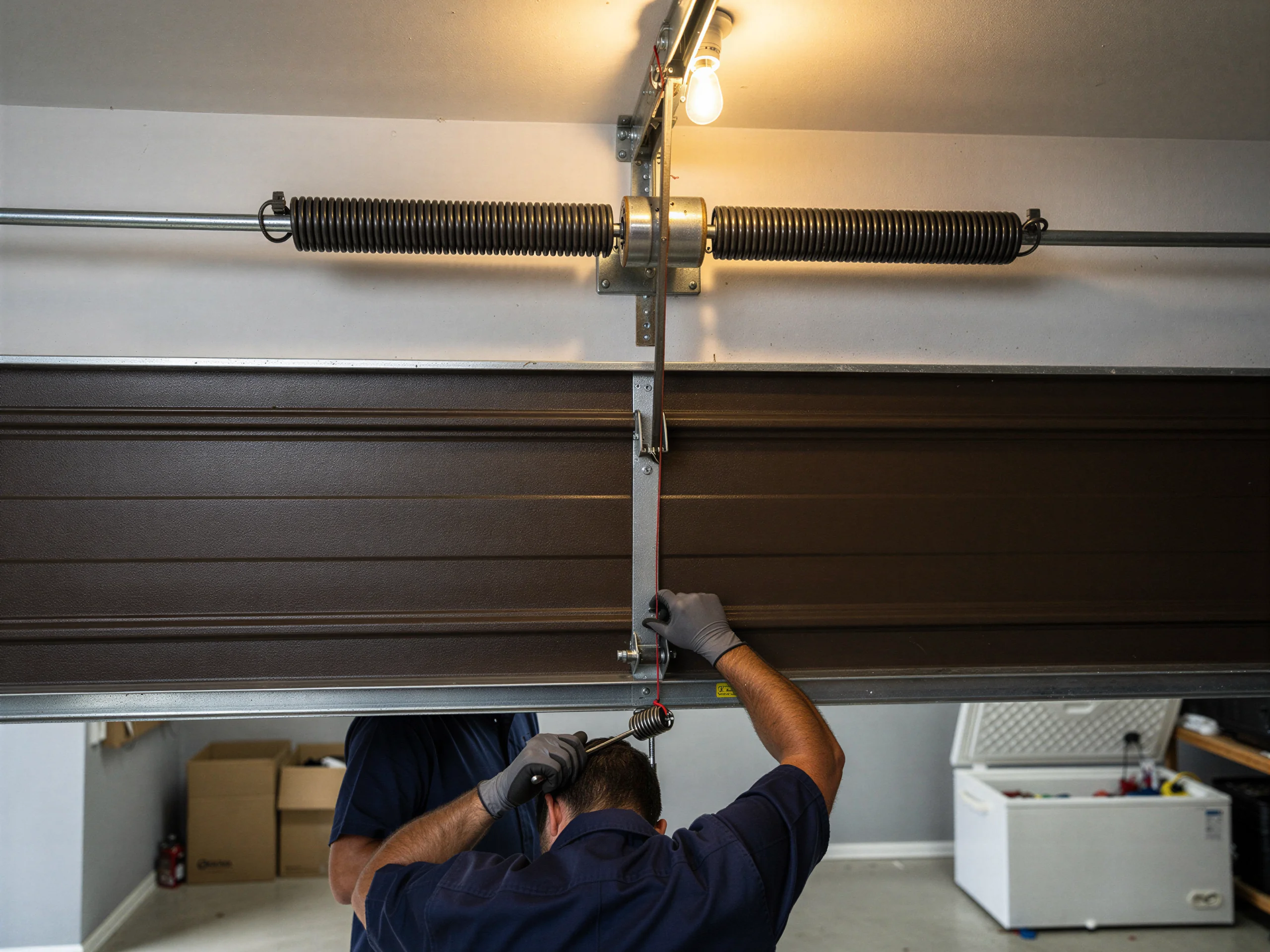
Most spring jobs in Colonial Park run under two hours once the truck is parked, torsion or extension. The variable isn't the town, it's the door.
Houses here cluster around a 1967 median build year, which means a lot of single-car and two-car steel doors still running on the torsion hardware that was standard for that generation of construction.
If the shaft, drums, and cables are original to a door that age, we're not just swapping a spring - we're checking whether the rest of the system has worn evenly with it. That adds time.
A straightforward torsion spring swap on a door with sound cables and a working opener is the fast version. A door where the bottom brackets have rusted through or the track has racked out of plumb is the slower one, and in a neighborhood this age, we see both.
Local causes
Colonial Park sits about 4 miles from Harrisburg, and its housing stock reflects the mid-century building wave common across this part of the region - most of the 53 named communities we cover share that same 1960s-70s profile, with Colonial Park's own median landing right around 1967. Doors from that period were built with torsion springs sized to lighter, single-layer steel panels. Over the decades, a lot of those original doors got swapped for heavier insulated replacements without anyone re-rating the spring. The door gets heavier, the spring doesn't, and the spring works harder every single cycle until it snaps - usually without warning, usually on a cold morning. That mismatch between an upgraded door and untouched original hardware is the single most common failure we find on this side of the region.
On the truck
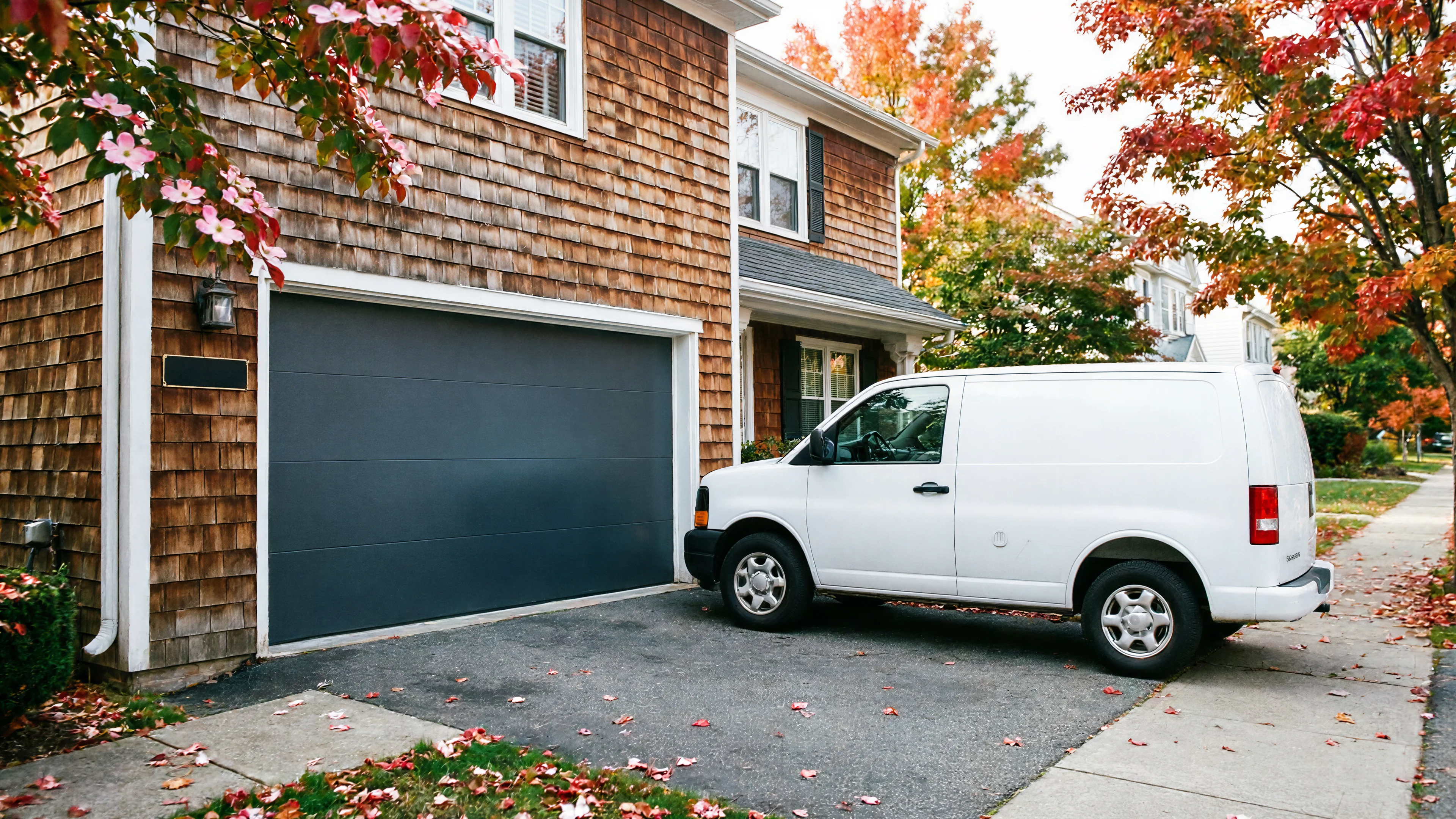
We carry torsion springs in the common wire sizes and lengths that fit 1960s and 70s door openings, since that's the bulk of what's on the ground in Colonial Park.
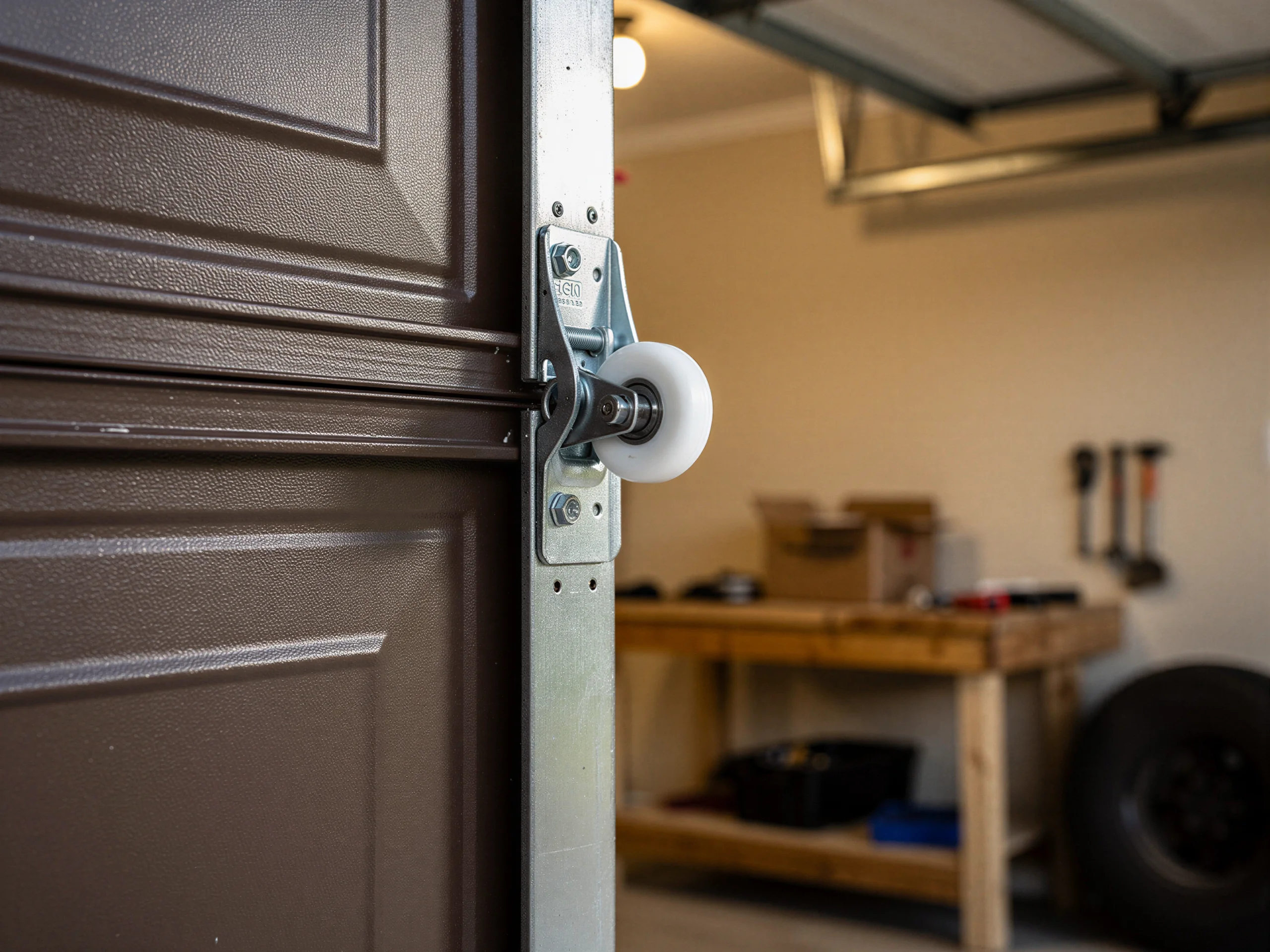
We also carry standard extension springs for the older lighter doors that never got upgraded. Cables, drums, and bottom brackets ride along too, because a broken spring on a house this age often takes a frayed cable or a bent bracket down with it - replacing one and leaving the other is how a customer ends up calling again in six months.
What we don't carry is every odd legacy part. If a door still has its original hardware from a brand that stopped making parts decades ago, we may need to order a piece rather than fix it off the truck that day.
Watch-outs
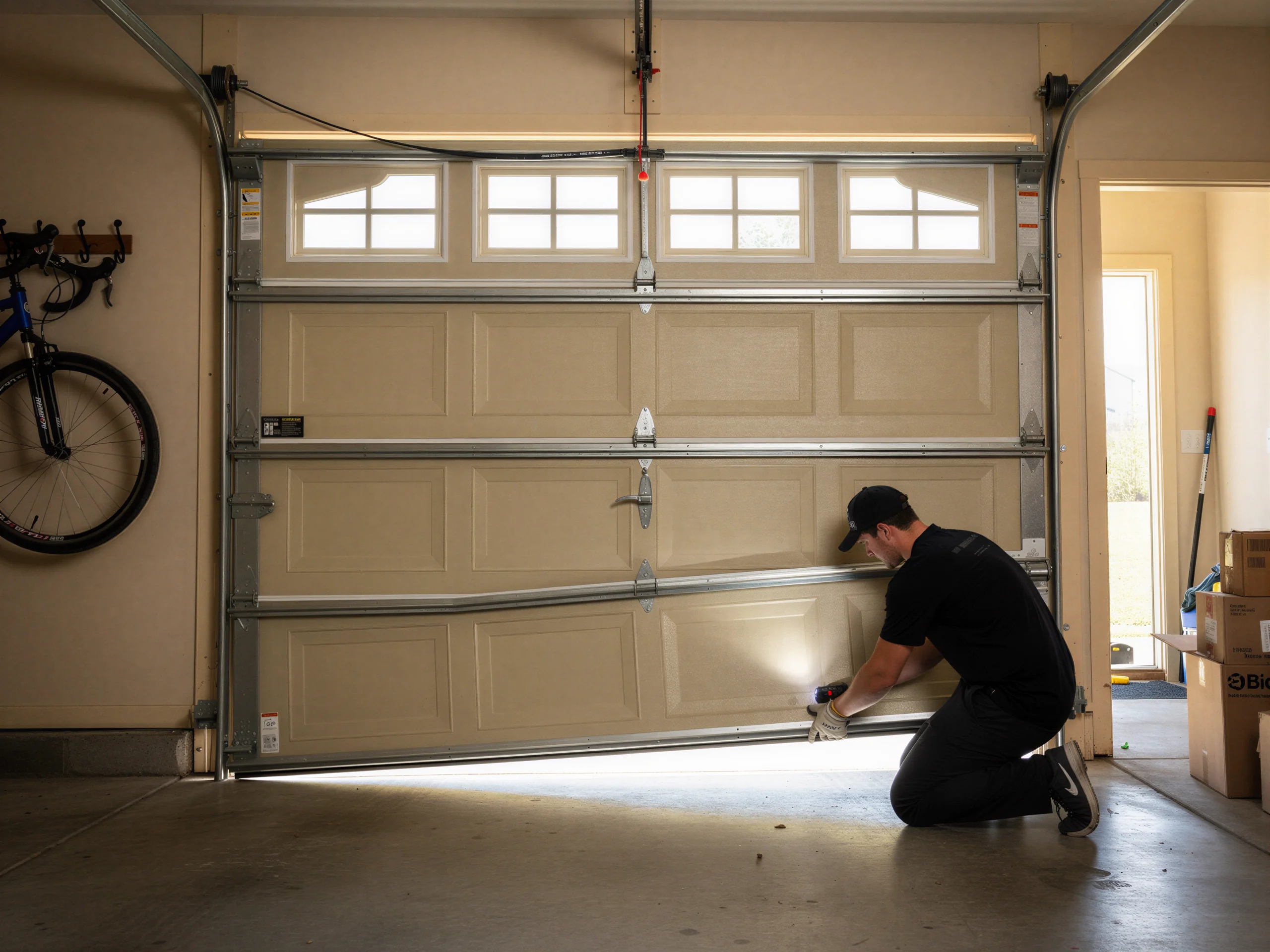
A broken torsion spring on a double door is the call we get most, and it's rarely subtle - the door won't budge, or it slams down fast with no resistance.
Less obvious is the spring that's still intact but under-rated for a door that got heavier over the years; that one shows up as an opener straining, burning out its motor trying to do a spring's job.
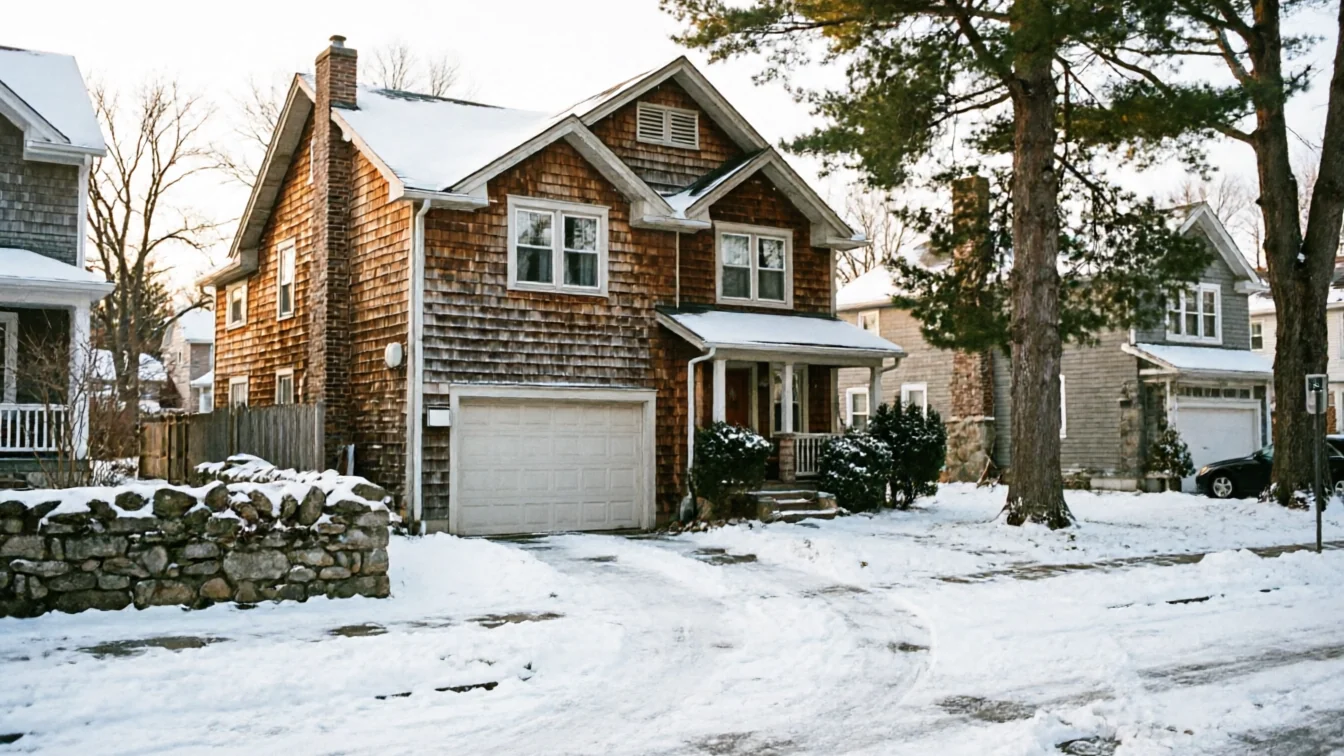
In this climate band, cold temperatures stiffen steel and add load to a spring that's already near the end of its cycle count, which is part of why winter mornings bring more spring calls than summer afternoons. Rust on an original cable from a 1960s install is another one - it looks fine until it's not.
DIY or pro
We'll say it plainly: don't do a torsion spring yourself. It's under enough tension to cause real injury, and the winding bars and clamps that make it safe aren't something most homeowners own or have used. Extension springs are lower risk but still not a casual weekend job if you've never set spring tension before. What you can safely do is look - check if the spring is visibly separated, listen for a bang (that's usually the spring going), and leave the opener disconnected from the door so you're not forcing a motor against dead hardware until someone can get out to look at it.
The repair
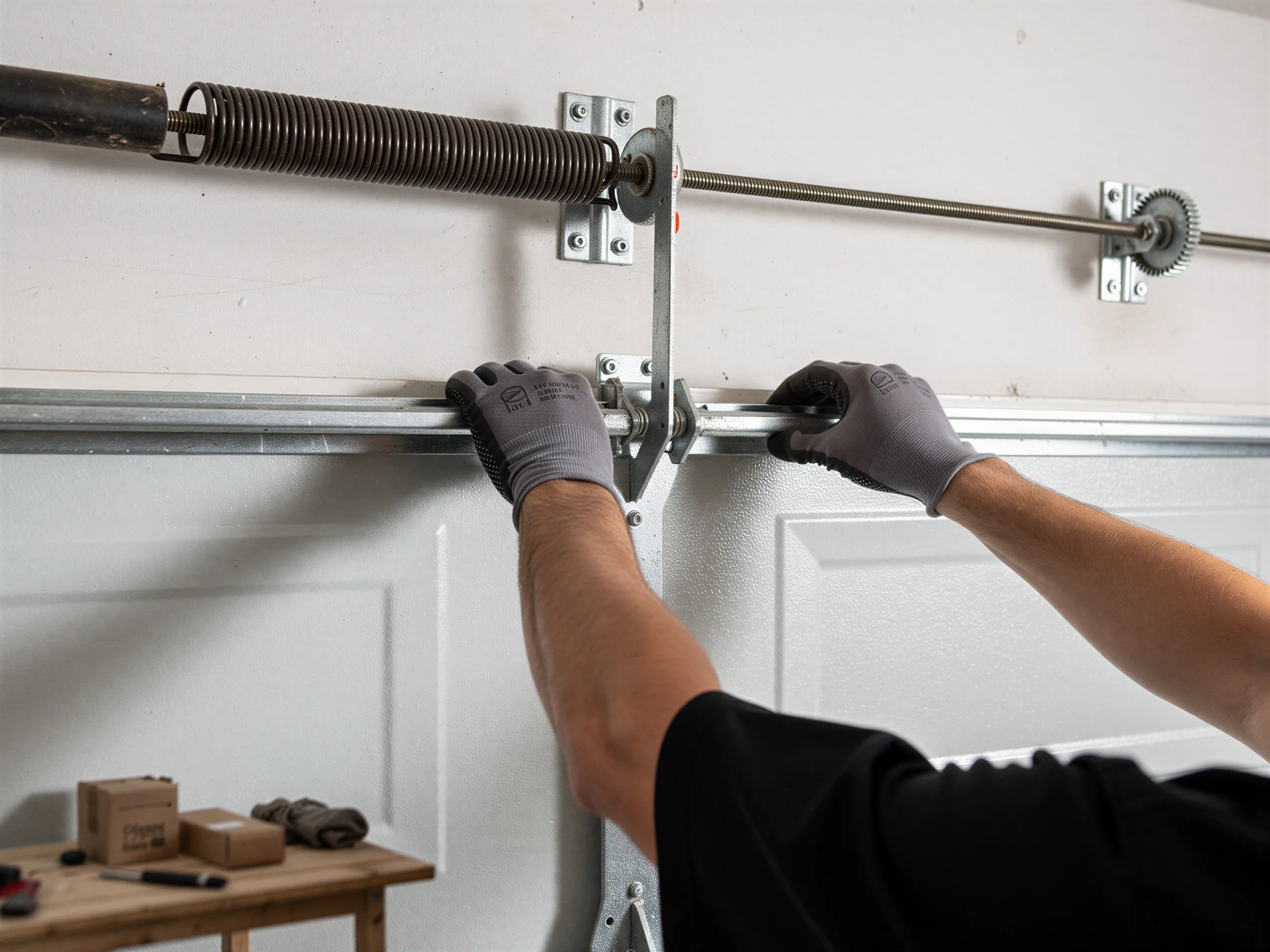
We match the replacement spring to the door's actual weight, not just whatever wound up on it originally - important here since so many Colonial Park doors have been upgraded or re-skinned since the 1960s without a hardware update to match. That means weighing the door's pull, checking the drum and shaft for wear, and setting the new spring's tension by hand with winding bars, not guesswork. We inspect cables and brackets at the same time, since on a door built decades ago, those parts have usually seen the same cycles as the spring and are often close to their own limit. If the opener's been fighting an undersized spring for a while, we'll flag that too - no point fixing the spring and leaving a motor that's about to fail.
Questions
It depends more on cycle count than age, but with a median build year of 1967, a lot of homes here are on original or first-replacement springs that are decades old. Cold mornings add stress, so late winter is when we see the most breaks on hardware this age.
Usually, if the door hasn't been swapped for a heavier insulated model. If it has, the original spring size is often wrong for the new weight, and that mismatch is itself usually why it failed.
No, we run out of Harrisburg, about 4 miles away. It doesn't change how fast we can get a spring swapped once we're on site, it just means dispatch is from Harrisburg, not a local depot.
We'd advise against it for torsion springs specifically - the tension involved can cause serious injury without the right bars and clamps. Extension springs carry less risk but still aren't something to learn on your own door.
Explore more
Ready when you are
Harrisburg Garage Door Pros repairs and installs garage doors, springs and openers in Harrisburg, PA and the surrounding area.