Cold rated lubricant
We carry those cables, along with replacement rollers, pulley hardware, and lubricant rated for cold-severe swings, because that's what this era of door actually needs, not what a newer torsion system needs.
Linglestown, Harrisburg
Linglestown homes went up around 1970, mostly with extension-spring doors and early opener hardware. We service those systems on scheduled runs from Harrisburg, 7 miles out.
On the truck
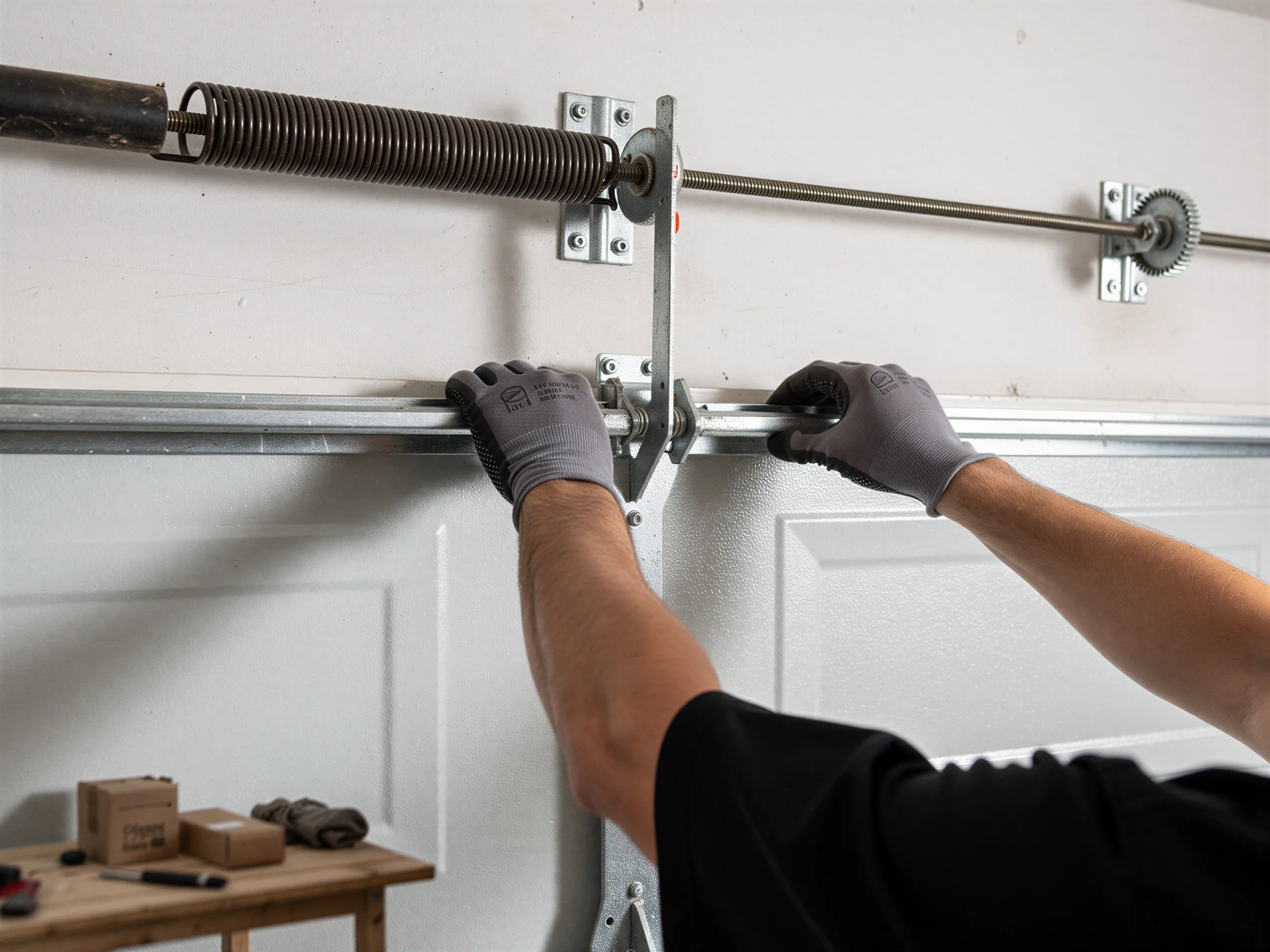
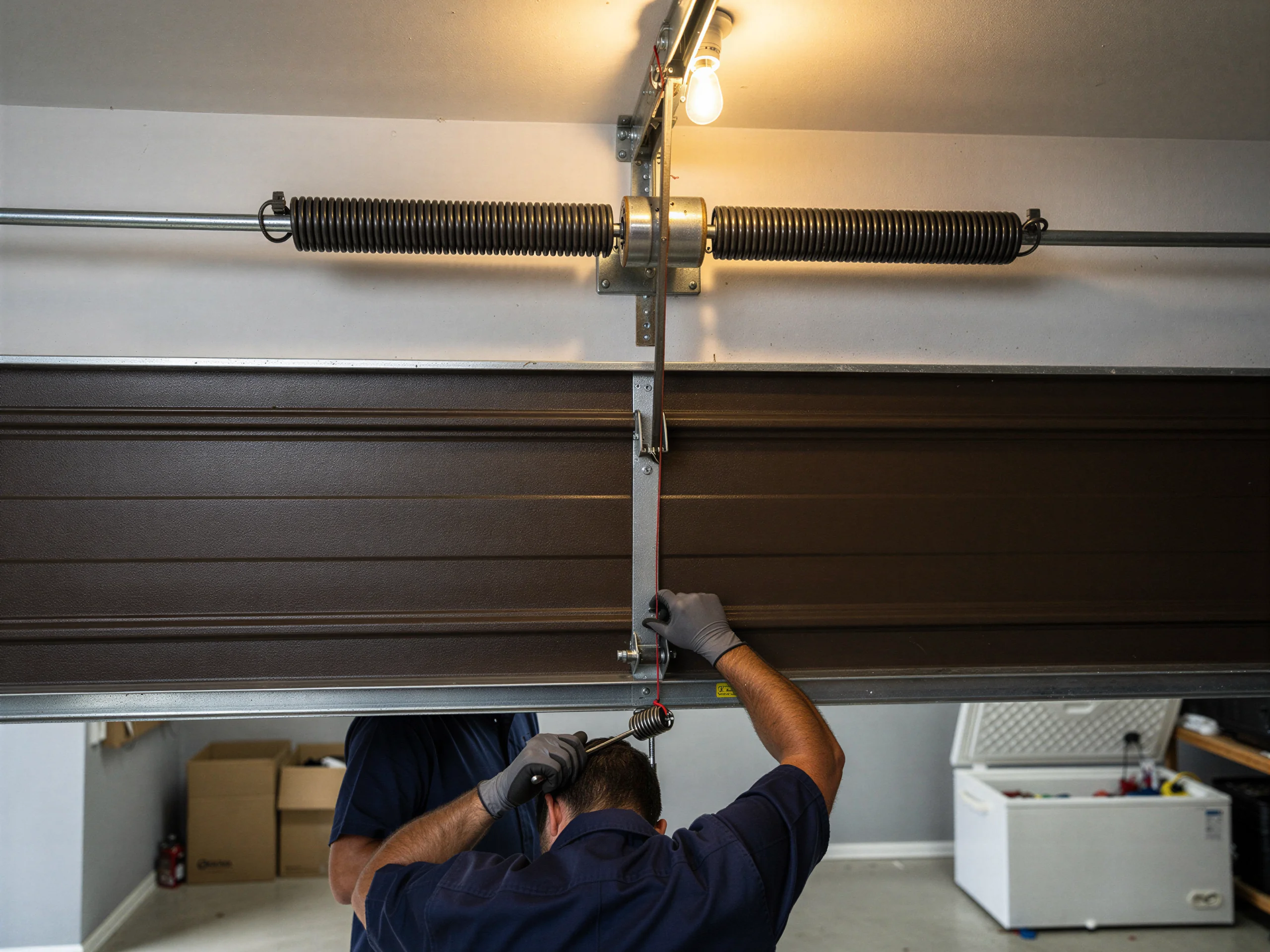
Linglestown's housing stock centers on 1970, which tells us what we're walking up to before we knock. Doors from that build year typically ran extension springs on steel sectional panels, often without the separate containment cable that became standard hardware later.
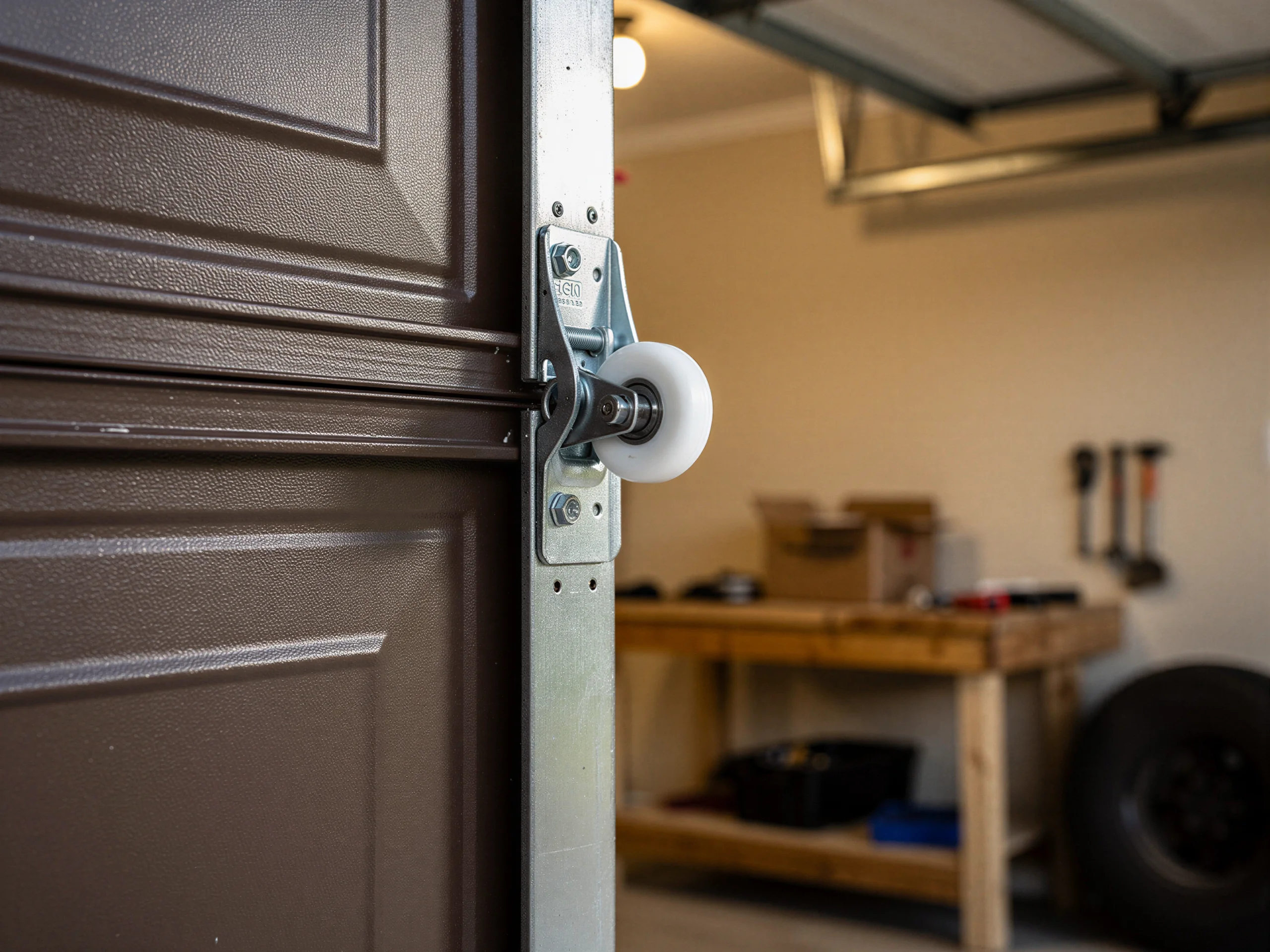
We carry those cables, along with replacement rollers, pulley hardware, and lubricant rated for cold-severe swings, because that's what this era of door actually needs, not what a newer torsion system needs.
We also carry opener parts for the chain-drive units common on houses from this period - drive gears, sprockets, and the sensor brackets that get added when a door is brought up to current safety practice.
What we don't carry on every run is a full torsion spring set sized for a door we haven't measured yet; if your door's been converted to torsion hardware at some point, we confirm spring size before cutting a new one, which sometimes means a short order delay rather than a same-visit swap.
Booking
Linglestown sits about seven miles out from Harrisburg, which means a maintenance stop here gets built into the day's route rather than treated as a drop-in. We don't keep a depot in Linglestown - every truck comes from Harrisburg - so when you book, we're scheduling drive time along with the actual work. That's worth knowing if you're hoping for a same-morning fix after a 7 a.m. call; it's more realistic to plan a maintenance visit a few days out. The upside of that longer lead time is that we show up with the right parts for a 1970-built door instead of guessing on-site, because we've already asked the right questions when you booked.
DIY or pro
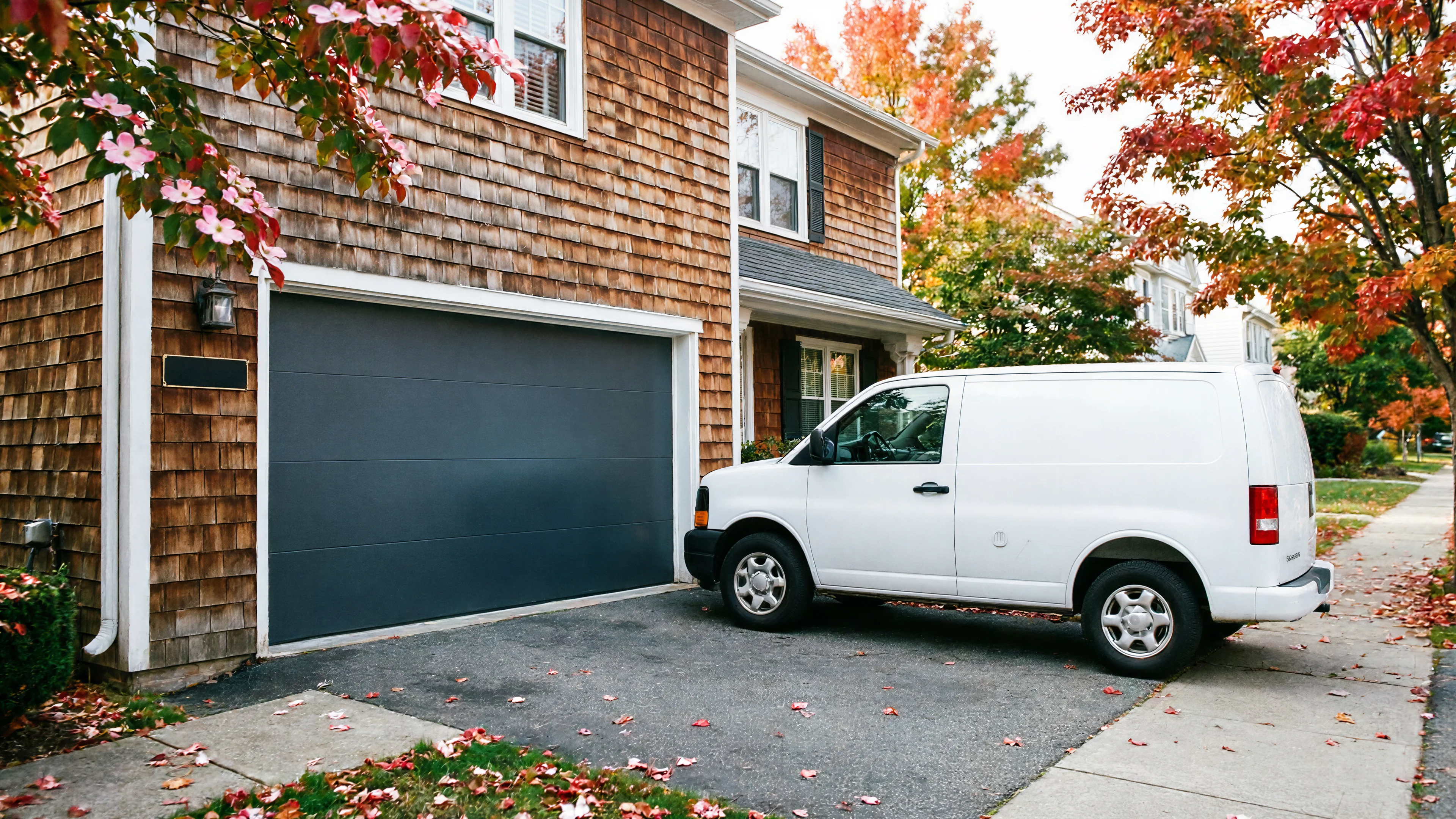
A homeowner can do real maintenance on these doors without a truck involved: wipe down and lubricate the tracks and rollers twice a year, check that the extension springs still have their containment cables threaded through, and listen for a grinding or popping opener motor before it fails outright.
What you shouldn't do yourself is touch spring tension - on an extension-spring door from this era, the springs are under less load than a torsion system, but they can still take a finger or an eye if they let go while you're adjusting them.
Median household income in Linglestown runs about $89,887, well above the broader service area's $79,688, and what that tends to buy here isn't more DIY work, it's more opener upgrades done by someone who does it for a living rather than patched springs left alone.
Local causes
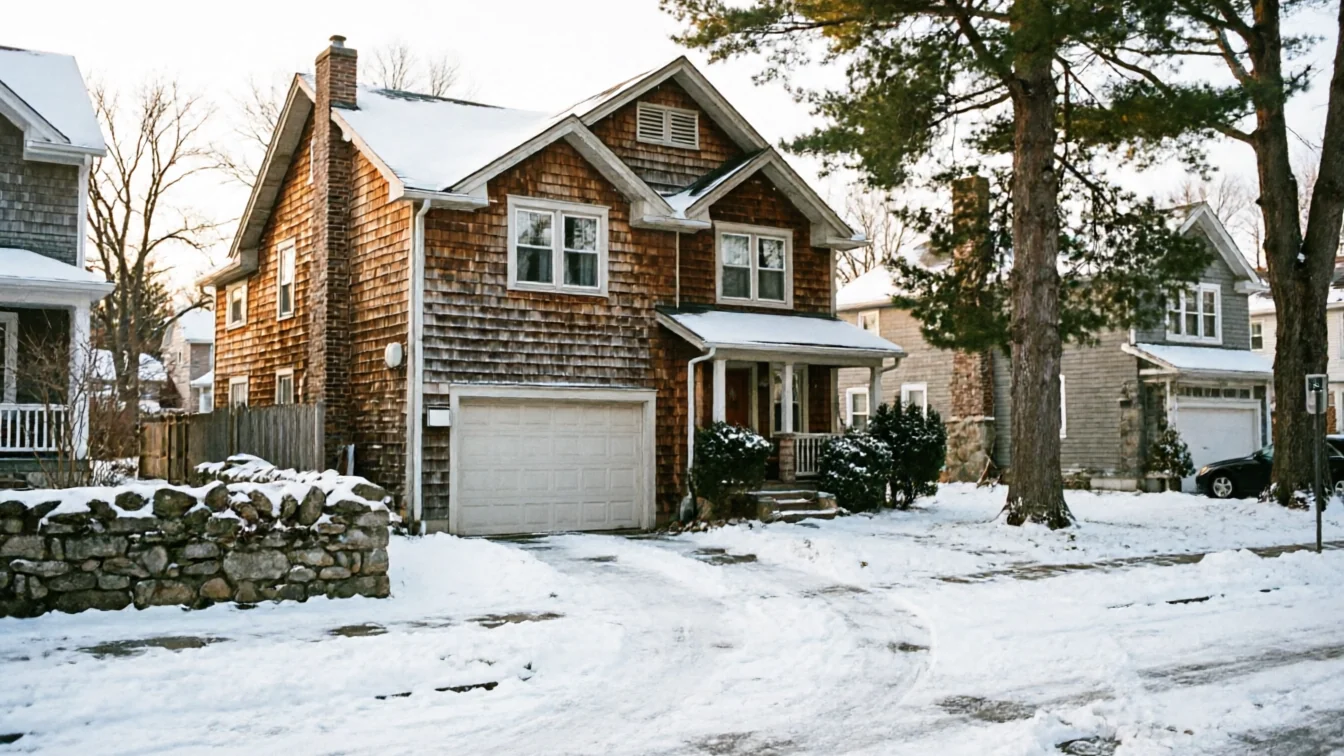
The failure pattern in Linglestown isn't generic wear, it's specific to what went into these doors around 1970. Galvanized hardware from that build era wasn't speced for the cold-severe temperature swings this region sees over a winter, so springs here lose tension and coating faster than the same part would on a door built in the 2000s. Add roughly 2,679 households' worth of these doors aging in place at roughly the same rate, and you get a town where a lot of garages are due for the same fix in the same few years - not because of bad luck, but because the housing went up in a tight window and the hardware is wearing out on a similar clock.
Watch-outs
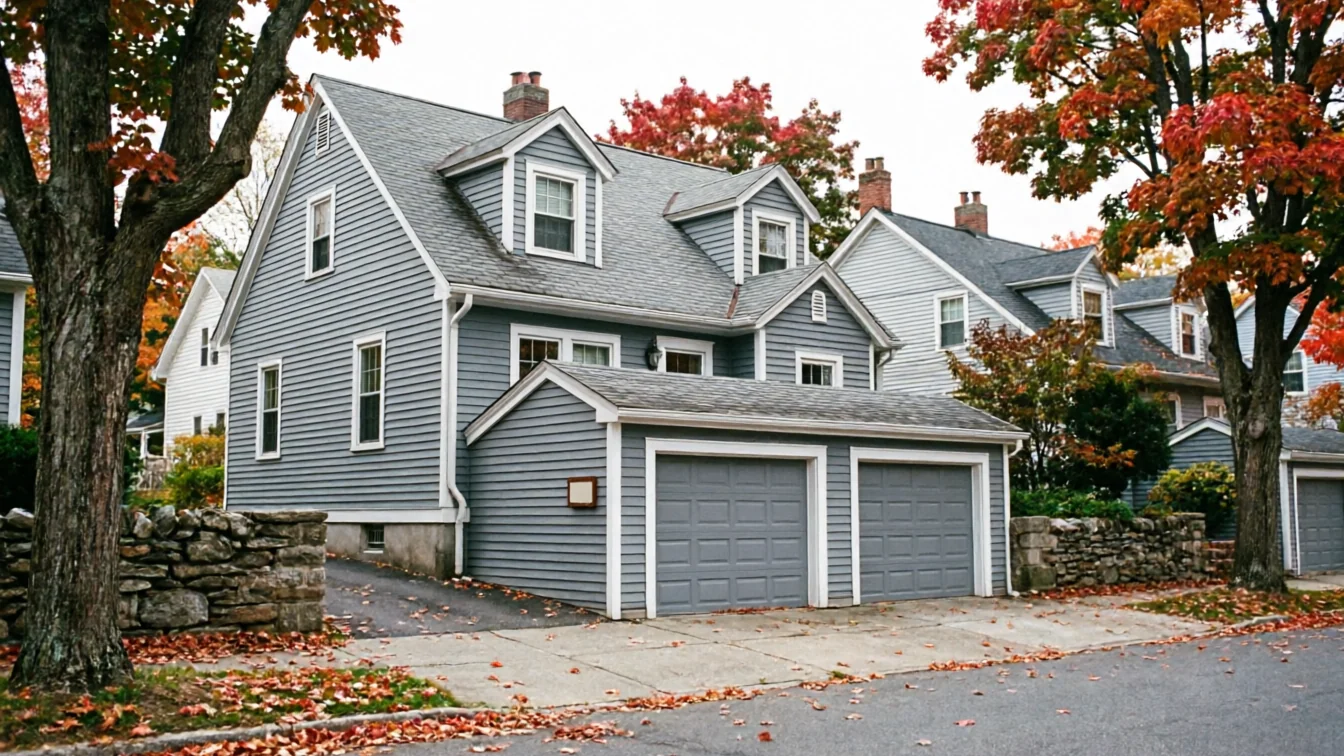
On an extension-spring door missing its containment cable, a spring failure doesn't just stop the door - the spring itself can whip loose, which is the exact hazard that cable was designed to stop. On the opener side, a chain-drive unit from this era running without a working photo-eye or force sensor can keep closing on something in its path instead of reversing. Track misalignment shows up as a door that binds partway, which left alone turns into a bent track or a cable that jumps its drum. None of these are reasons to replace a door that's otherwise sound - a 1970-built door with solid panels and decent tracks can run for years yet with the right hardware brought up to current standard. But a door that's cracked at the panel seams or rusted through at the bottom section is past the point where more maintenance helps.
Questions
Doors from that build year mostly ran extension springs without separate containment cables, which came later as standard safety hardware. We check for and add that cable, along with confirming the opener has a working safety reversal, since those weren't universal on original equipment from that era.
No - every truck runs out of Harrisburg, about seven miles away. We build that drive time into scheduling rather than promising a same-day emergency response specific to Linglestown.
Usually yes, if the panels and tracks are still sound - maintenance on that hardware is a fraction of replacement cost. If the panels are cracked or the bottom section is rusted through, maintenance won't fix the underlying problem and replacement is the better call.
Twice a year is reasonable for lubrication and a cable check, given the cold-severe swings this region sees. Springs and rollers on original hardware from the 1970 build era tend to wear faster than on a newer torsion system, so catching it early matters more here.
Explore more
Ready when you are
Harrisburg Garage Door Pros repairs and installs garage doors, springs and openers in Harrisburg, PA and the surrounding area.