Torsion setup era
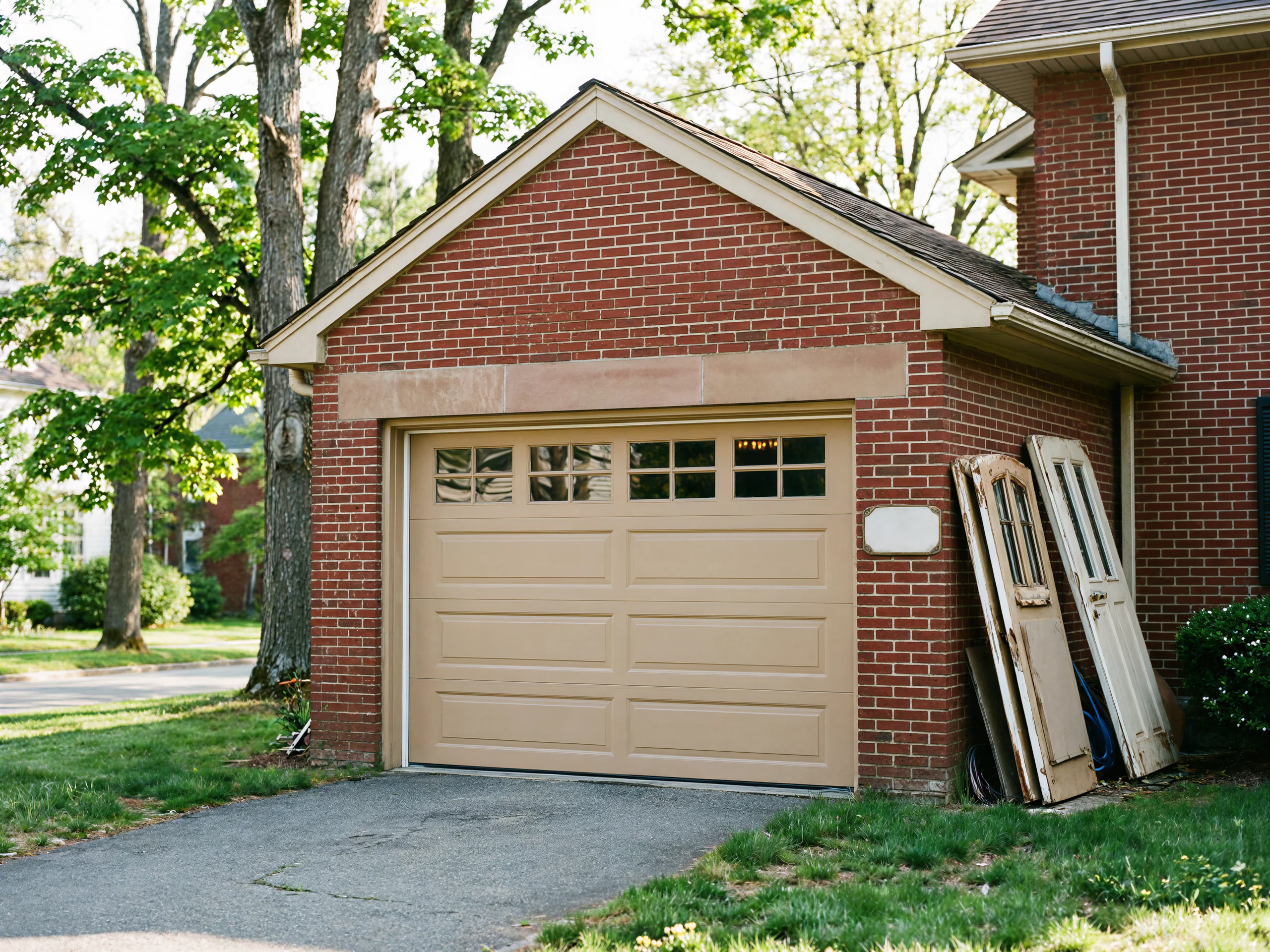
Houses here went up mostly around 1970, which puts most of them on torsion spring setups rather than the older extension-spring-over-the-track jobs you still find in pre-war stock elsewhere in the service area.
Linglestown, Harrisburg
Linglestown homeowners earn a median $89,887 and live in houses built mostly around 1970 - here's what that means for torsion spring repair versus replacement.
On the truck
At a median household income of $89,887, Linglestown sits above a lot of the territory we cover out of Harrisburg, and that changes the call we make on a broken spring before we even raise the door.
Houses here went up mostly around 1970, which puts most of them on torsion spring setups rather than the older extension-spring-over-the-track jobs you still find in pre-war stock elsewhere in the service area.
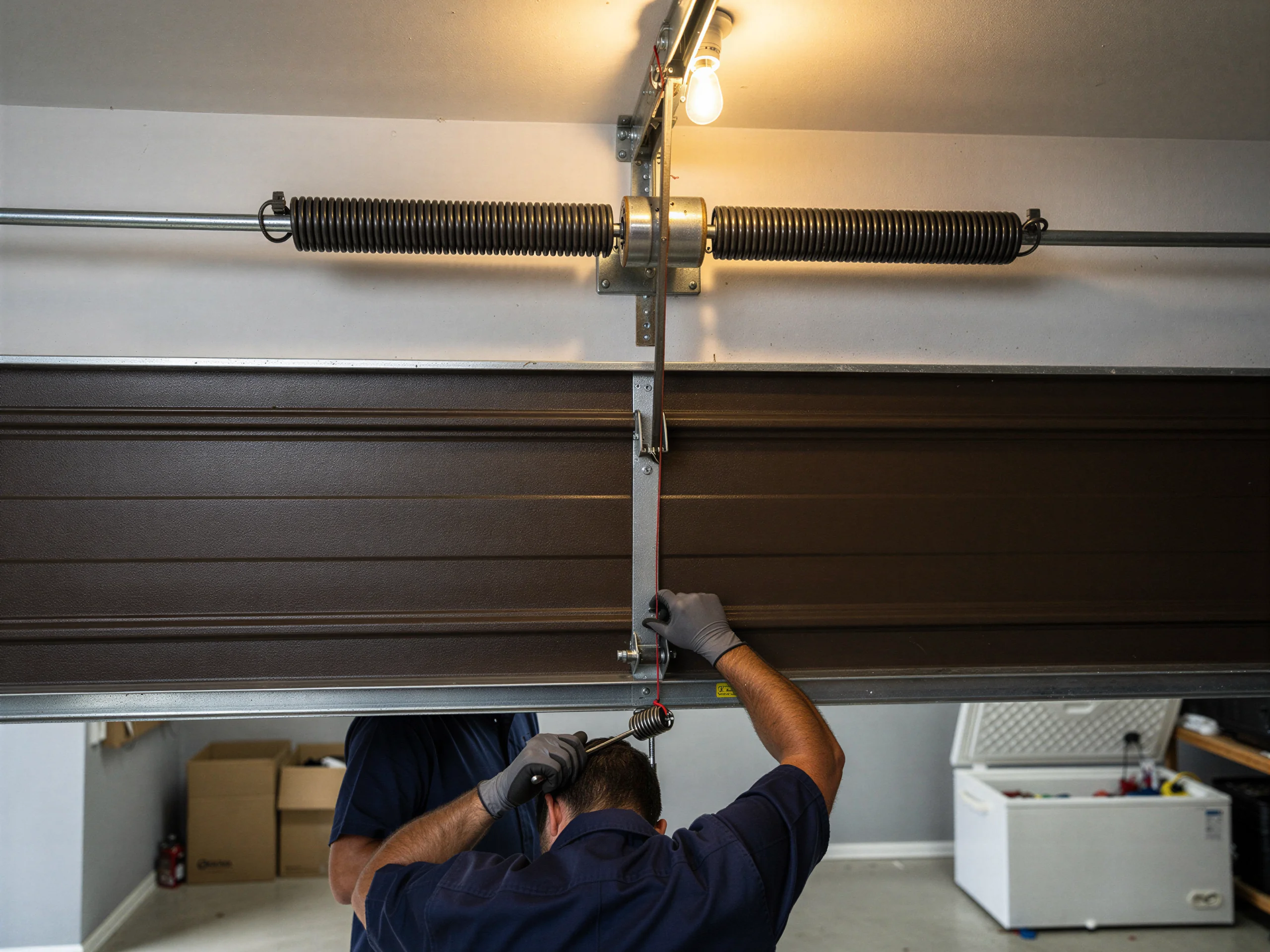
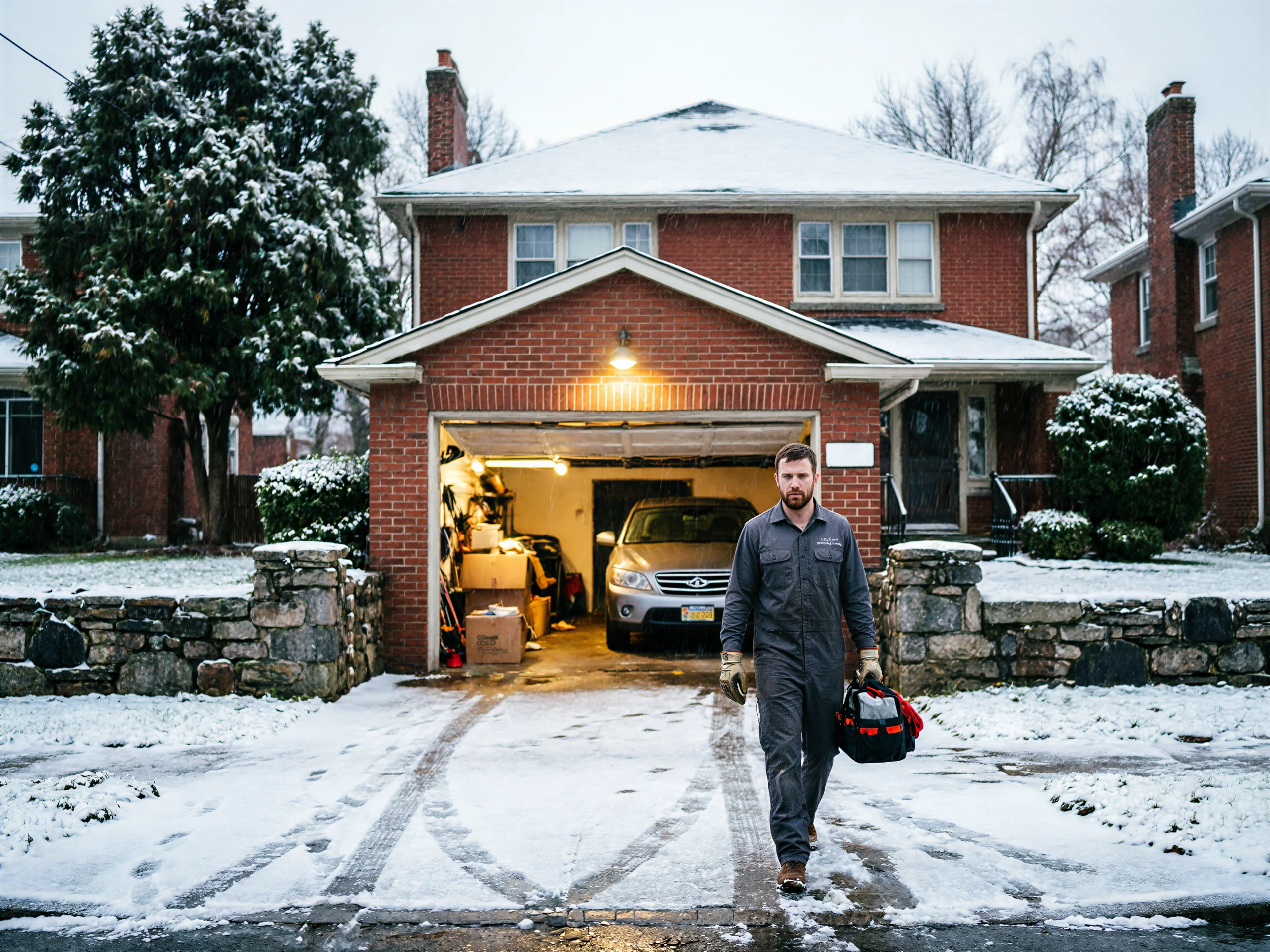
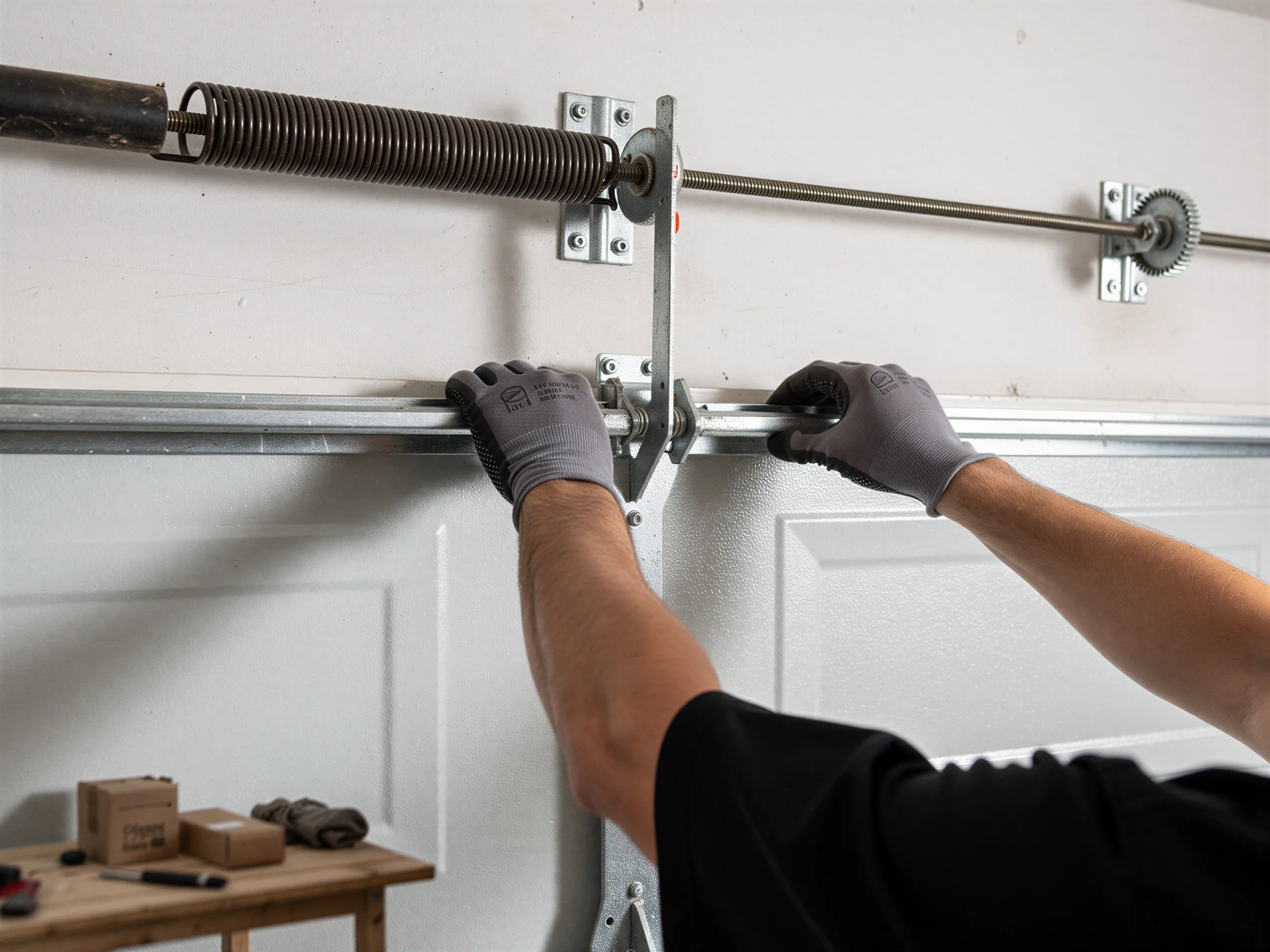
We carry torsion springs sized for the openings common to that era - standard 7-foot sectional doors, 2-inch shaft torsion springs in a range of wire sizes - plus the winding bars, cable, and center bearing plates that come loose when a spring finally lets go. We don't stock every oddball size ever made.
If your door turns out to be a custom width or an older extension setup that's been swapped and modified over the years, that part may need to be ordered, and we'll tell you that on site rather than make you wait on a guess over the phone.
Booking
We travel to Linglestown from Harrisburg, about 7 miles out, so there's no local branch to call - one dispatch handles the whole run including Linglestown. When you book, tell us the door width and whether it's one spring or two; most doors from the 1970 era around here run a single torsion spring on a single door and a matched pair on a double. That detail changes what goes on the truck before we leave. We'll also ask whether the door is still moving at all, since a spring that's snapped clean versus one that's stretched and sagging are two different jobs with two different urgency levels.
DIY or pro
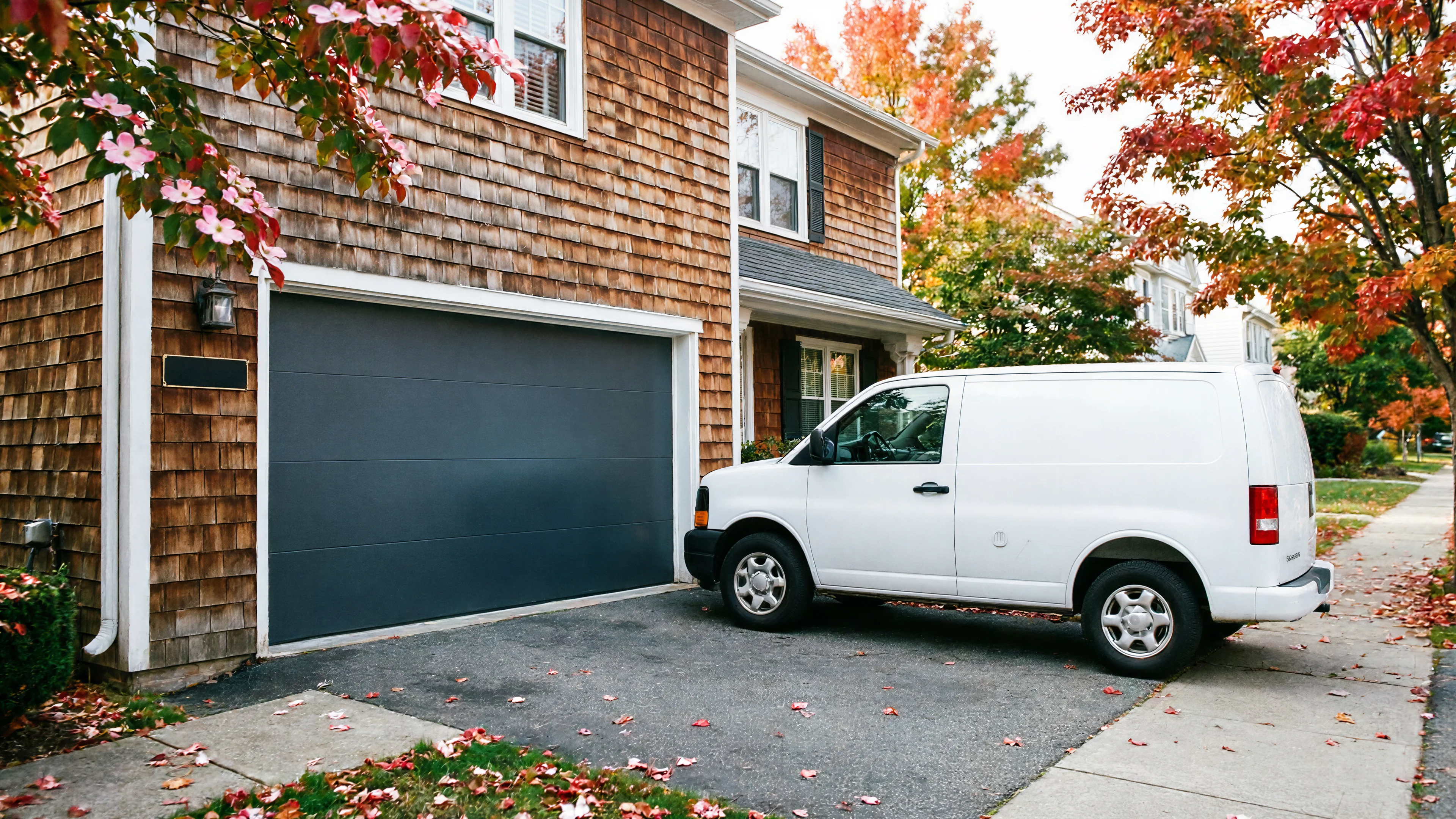
A torsion spring under tension can put someone in the hospital, and that's true no matter how handy you are with a drill.
The wire gauge and wind on these springs is sized to the door weight, and setting it wrong doesn't just mean a door that won't balance - it means a bar that can come loose under load. If you've got the winding bars, a 1970s torsion setup is not more forgiving than a newer one just because the house is older.
The honest limitation here: this is one of the few garage door jobs where we'd rather you call than try it yourself, spring and cable work included. Opener adjustments, weatherstrip, sensor alignment - those are fine to tackle. Springs under tension aren't.
Local causes
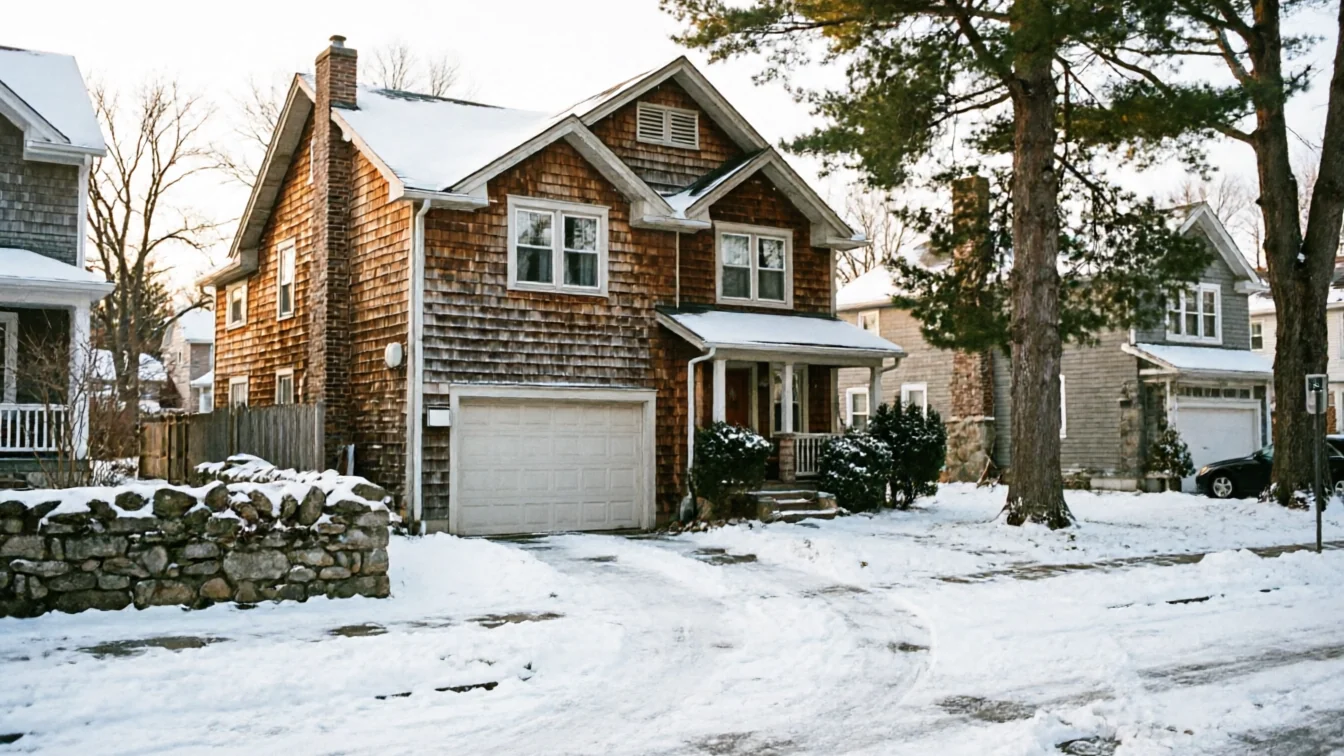
With 2,679 households in Linglestown, the housing stock leans toward that same 1970-ish build window that shows up across a lot of the 53 named areas we cover, and torsion hardware from that period wasn't built for a Pennsylvania winter forty-plus years out. The region sits in a cold climate band with real seasonal swings, and steel spring wire fatigues faster with repeated cold-to-warm cycling than most owners expect. A spring that's lasted this long isn't failing because of bad luck - it's failing because the metal has cycled through five decades of winters. That's a maintenance timeline question, not a defect, and it's one reason a spring job here often turns into a conversation about the opener and rollers too, since they've usually aged on the same clock.
Watch-outs
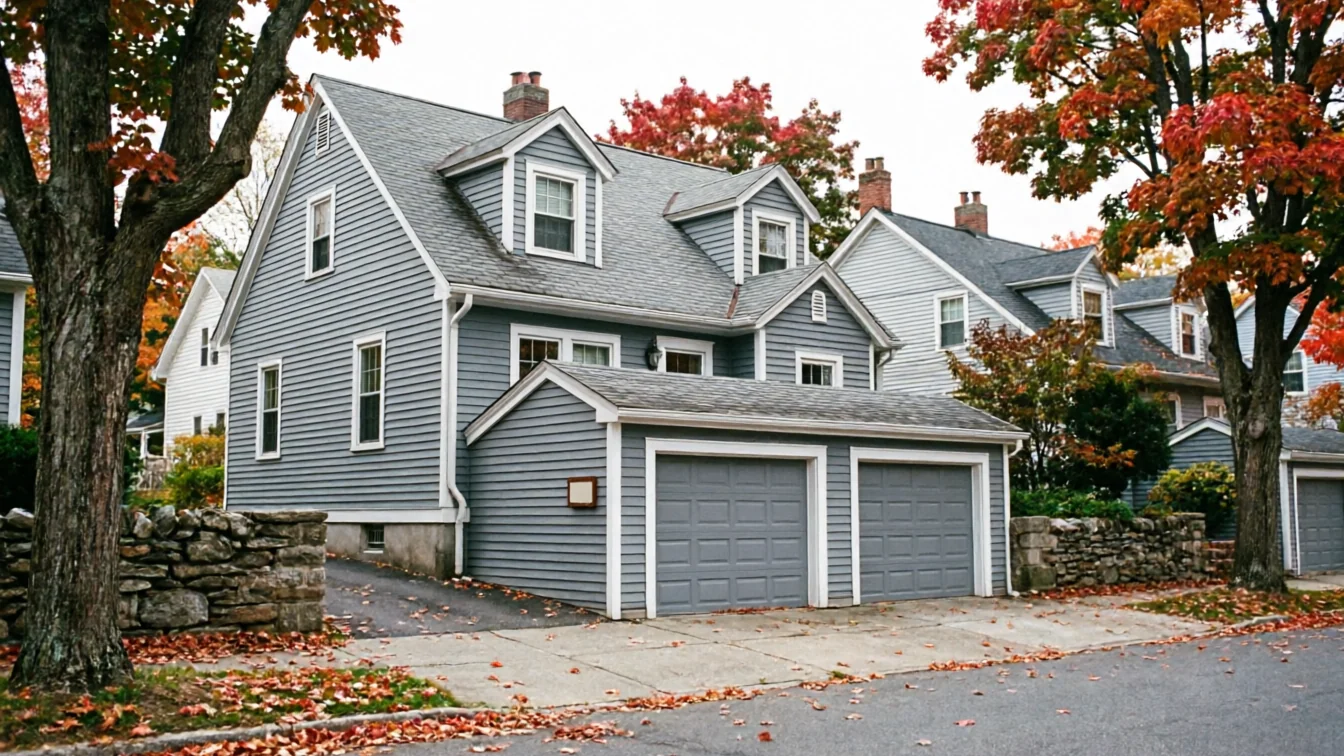
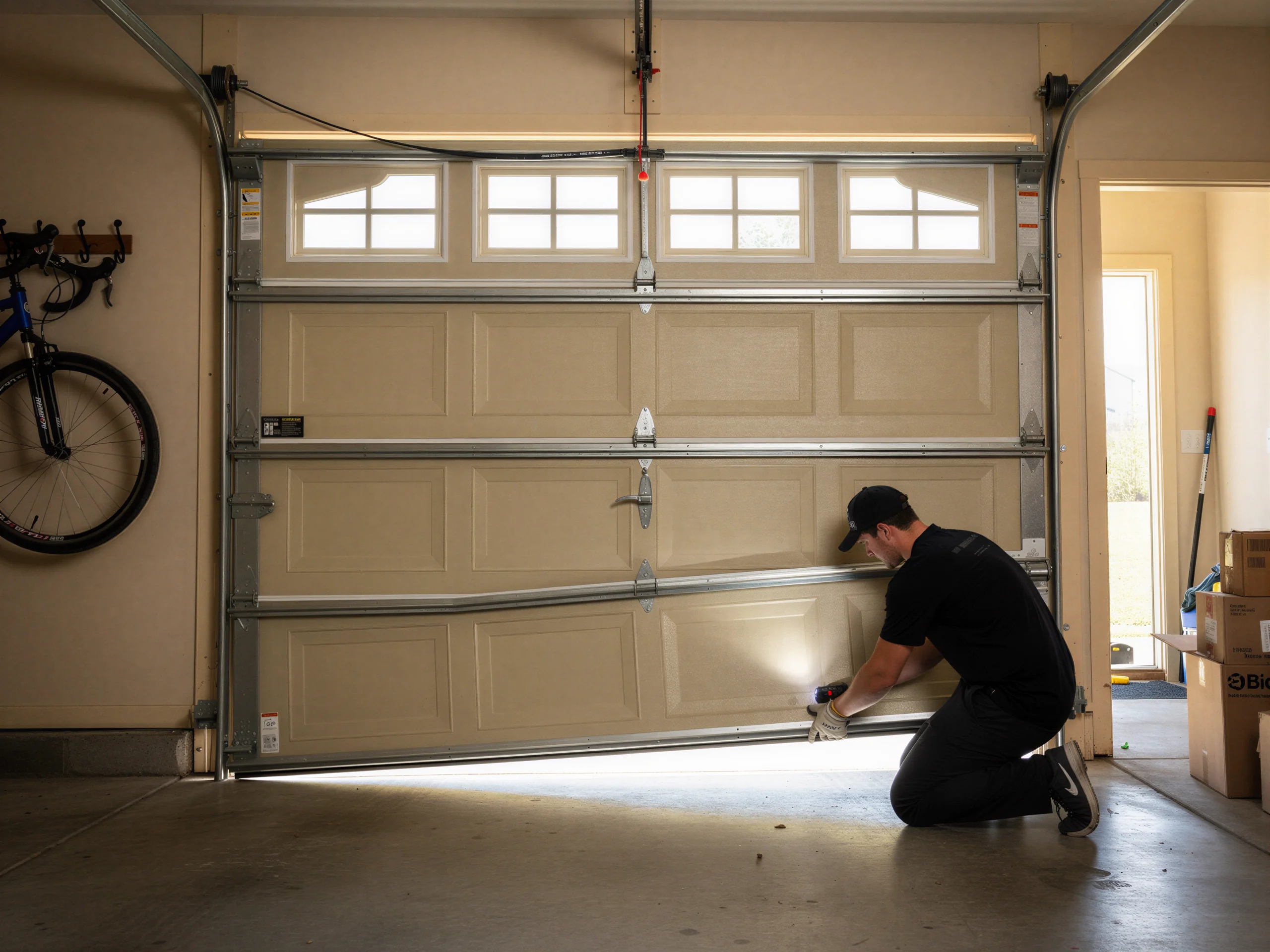
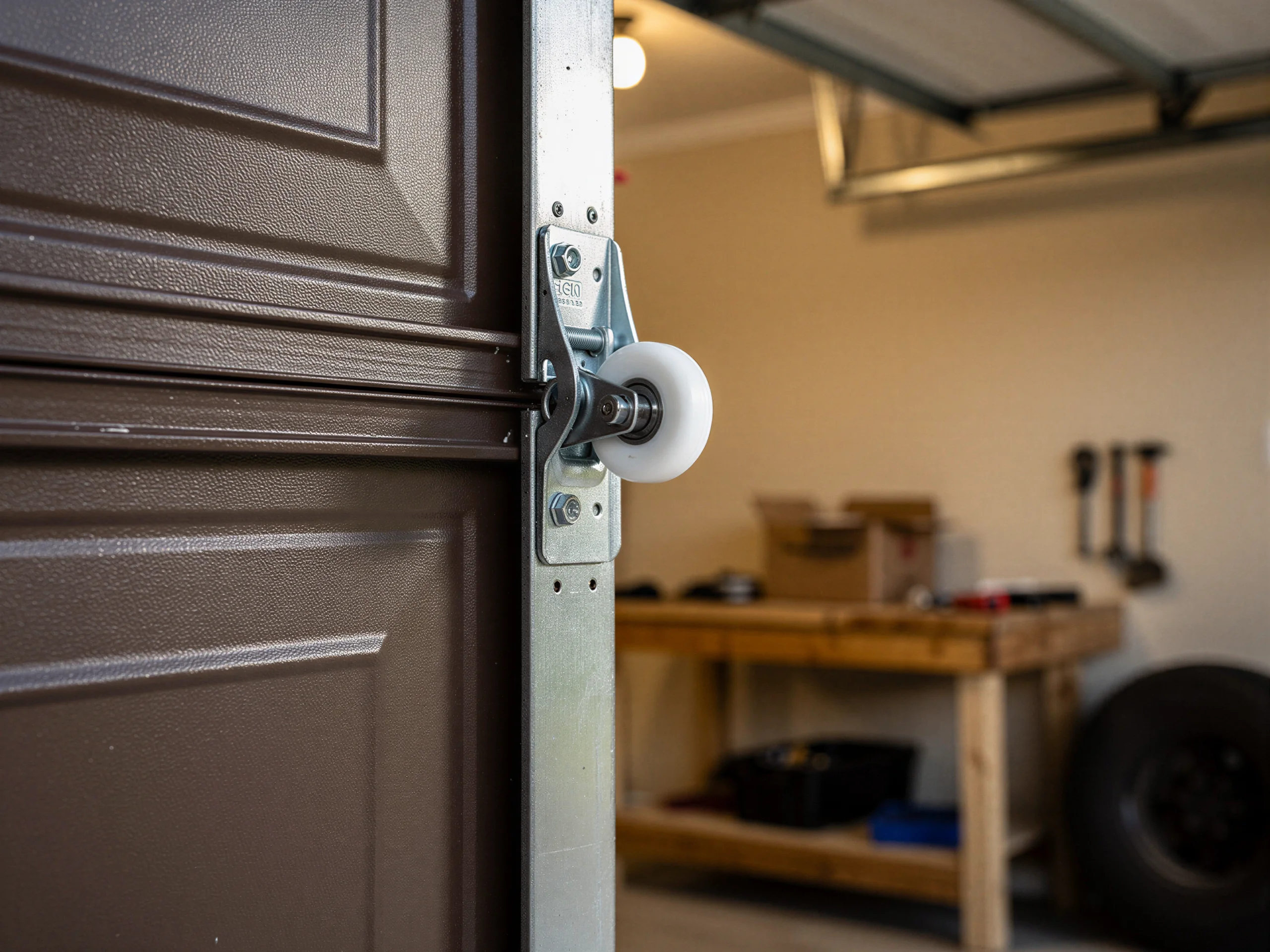
The most common failure we see on doors from this build era is a spring that snaps while the door is down, leaving the door stuck shut with no warning. Less common but worse: a spring that's weakened but not broken, so the opener keeps straining against it until the opener motor or the drive gear gives out trying to compensate. On a household budget like the median here, replacing a burned-out opener on top of a spring job is a cost worth avoiding, so we check opener strain any time we're called for a spring. If the door is original to a 1970-built house and hasn't been serviced, there's a decent chance the cables and rollers need attention at the same visit - not because every part fails at once, but because they were installed at once.
Questions
Most single doors from this area's build era run one torsion spring; double doors typically run two. We confirm the exact count and wire size on site rather than quote blind, since modifications over the decades can change what's actually installed.
Torsion hardware sizing has shifted over the decades, and some older doors in this area were later retrofitted with mismatched components. We carry common sizes for houses built around 1970, but we check the actual shaft and spring before pulling parts off the truck.
Usually no - a spring swap is far cheaper than a full door on its own. Replacement only makes sense if the panels, track, or opener are also failing, which does happen on doors that have run since the 1970s without upkeep.
Explore more
Ready when you are
Harrisburg Garage Door Pros repairs and installs garage doors, springs and openers in Harrisburg, PA and the surrounding area.