Heavier door drum mismatch
The second is cable fraying on original drums that were never designed for today's heavier insulated replacement doors, if an owner upgraded the door but kept the old drum and cable assembly.
New Cumberland, Harrisburg
Harrisburg Garage Door Pros repairs the springs, openers, and tracks on New Cumberland's 1950s-era doors, three miles out and well within our regular run.
Local causes
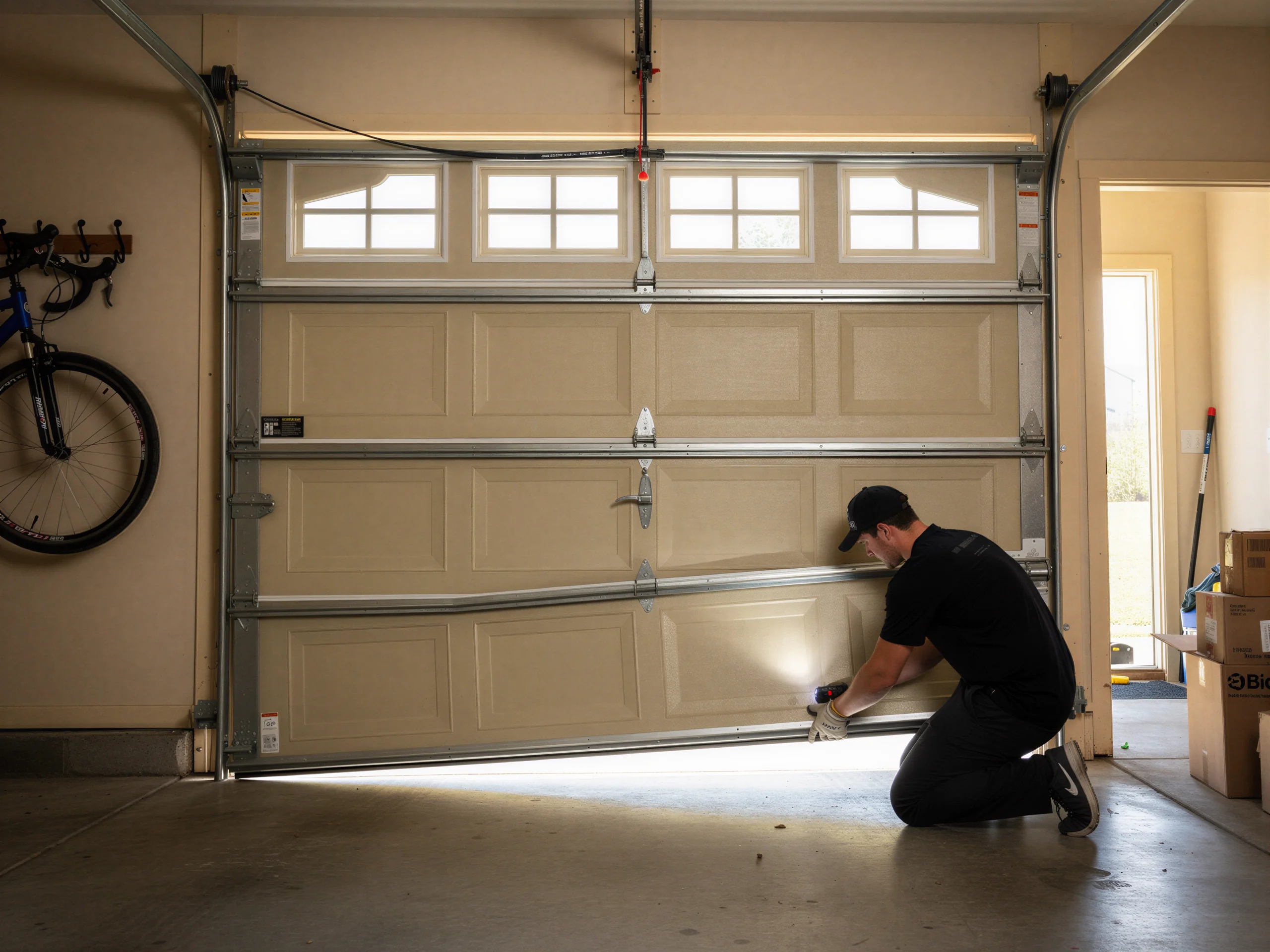
New Cumberland has about 3,448 households, which is a small enough town that we're not juggling a hundred calls a week here the way we might across a bigger slice of the service area. That matters because it means the faults we see repeat - they're not random. The median house in New Cumberland went up in 1953, nearly two decades ahead of the 1970 median across the wider 53-town area we cover. That gap matters more than it sounds. A door built or replaced in the 1950s and 60s is more likely to still be running on its original torsion hardware, sized for a lighter door than what's sold today, with a spring winding cone that nobody machines anymore. When a homeowner here calls about a door that won't lift, it's rarely a worn-out modern extension spring kit - it's usually a torsion spring on old mounting brackets, or a cable that's been riding a pulley system builders stopped installing decades ago. Fixing it right means matching old hardware, not just bolting on whatever's on the shelf.
The repair
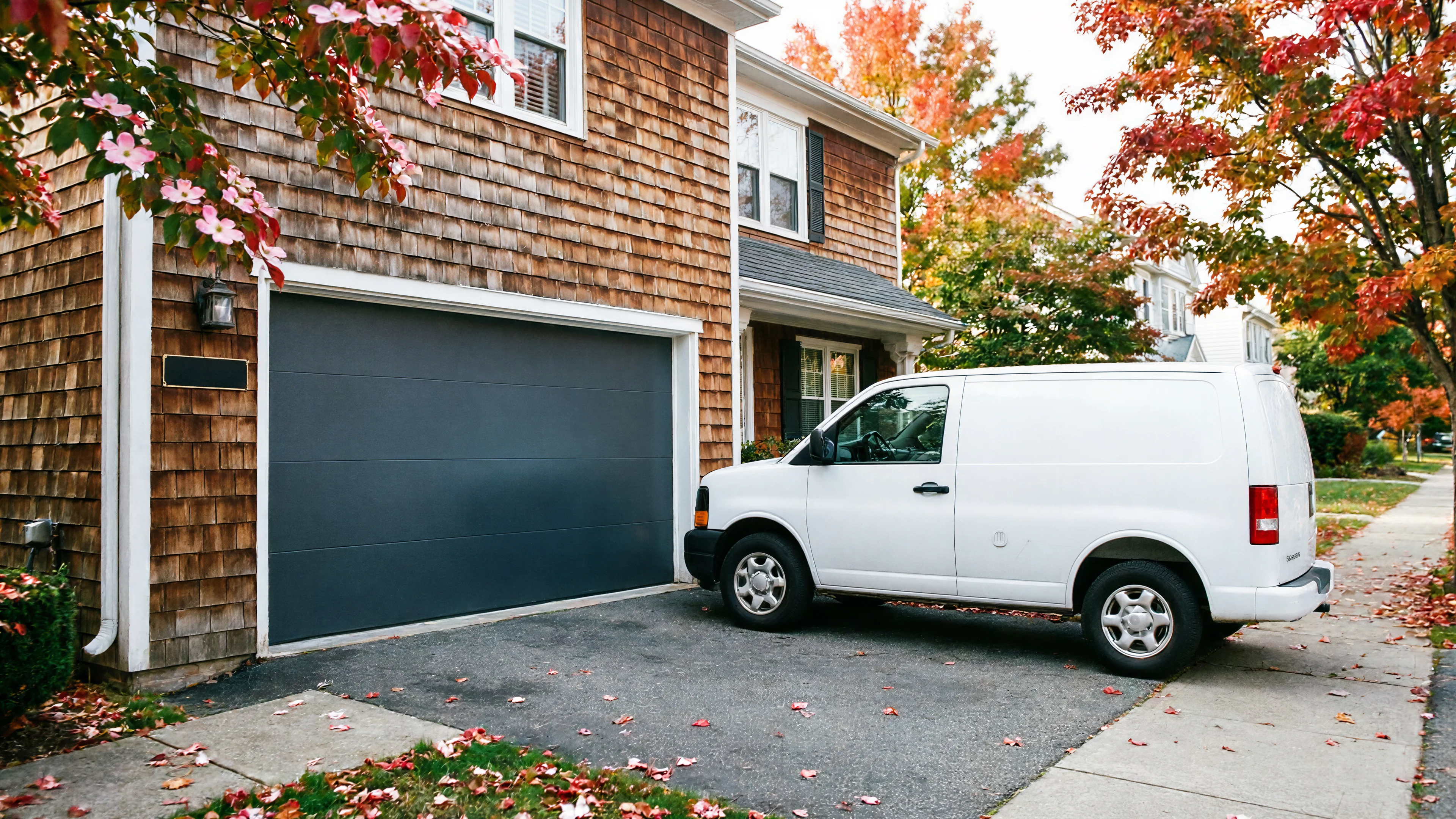
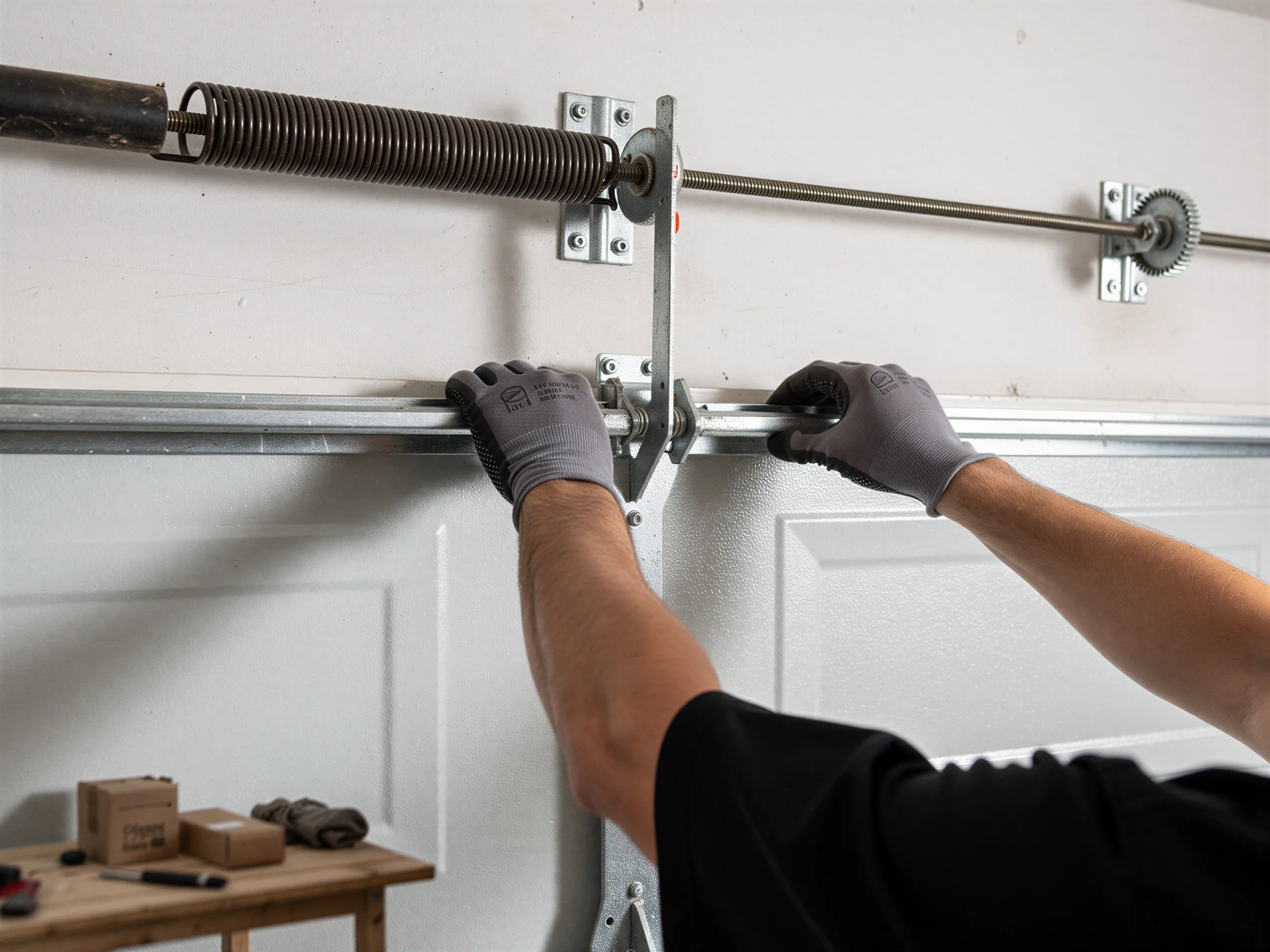
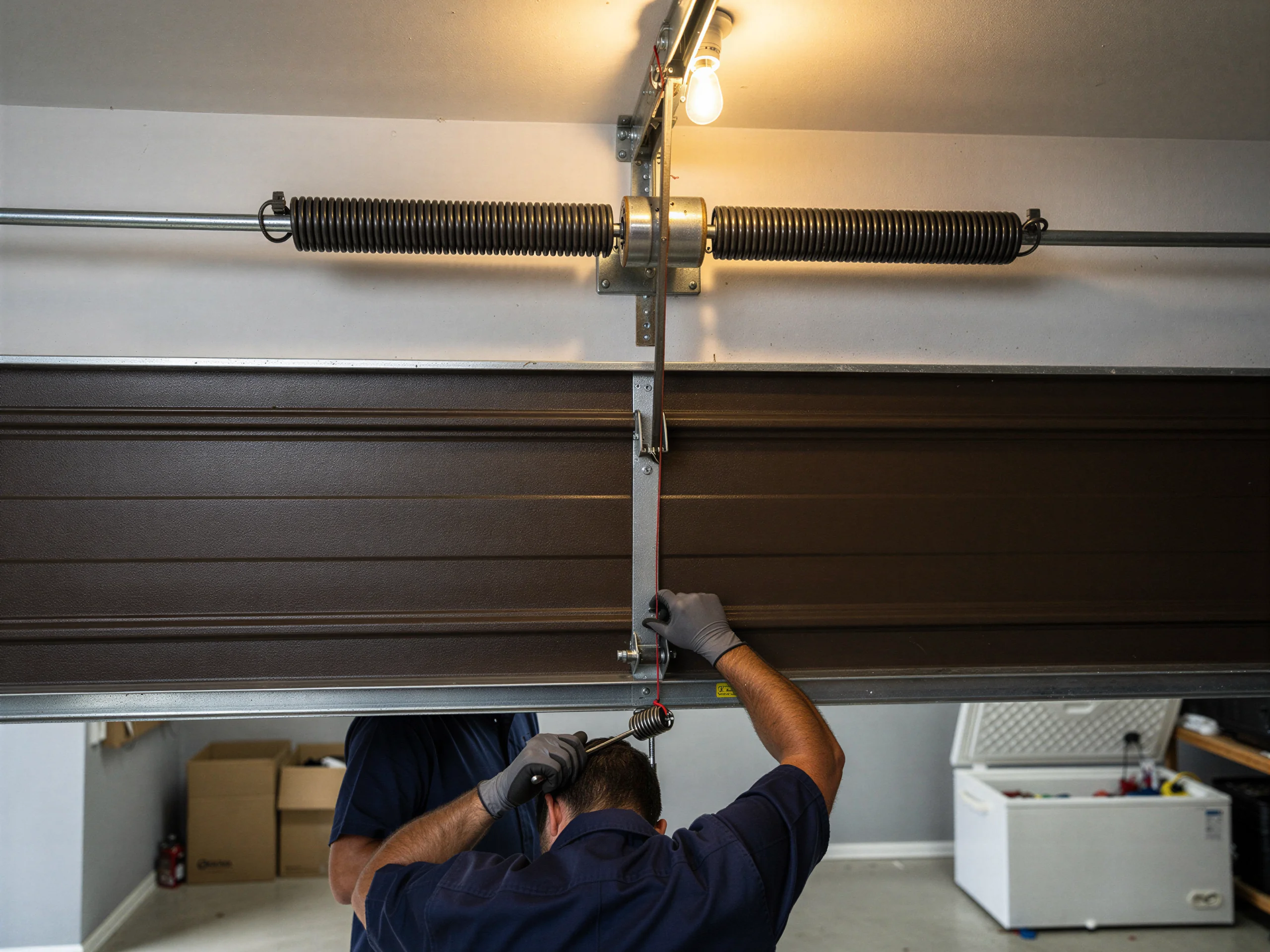
On a 1950s-built door, the first step is figuring out what's original and what's been swapped out over seventy years of ownership changes. We measure the torsion spring's wire gauge, coil diameter, and winding length against the shaft and drum setup already on the door, because the replacement has to match the existing hardware, not the other way around.
If the door's been converted to an opener at some point - common once owners started retrofitting in the 70s and 80s - we check the bracket spacing and the header clearance before assuming a modern opener kit will bolt straight on.
Cold-climate steel matters here too: this area sits in a cold-severe climate band, which means galvanized spring steel rather than bare steel, so the coil doesn't start rusting through after one hard winter.
We test cycle the door under full tension after reinstall, not just once, because a spring that looks balanced cold can bind once the garage warms up during the day.
Watch-outs
The most common failure on New Cumberland's older housing stock is a torsion spring that finally lets go after a cold snap - steel gets brittle in low temperatures, and a spring that's been flexing for sixty years doesn't have much fatigue life left to spend.
The second is cable fraying on original drums that were never designed for today's heavier insulated replacement doors, if an owner upgraded the door but kept the old drum and cable assembly.
We also see brackets that have been re-drilled or shimmed by a previous repair, which throws off alignment just enough that the door binds on one side under load.
The honest limitation: if the jamb or header itself has shifted with the house over seventy years, no amount of hardware adjustment fixes a door that's fighting a frame that's no longer square - at that point you're better off reframing the opening than chasing the symptom with spring tension.
DIY or pro
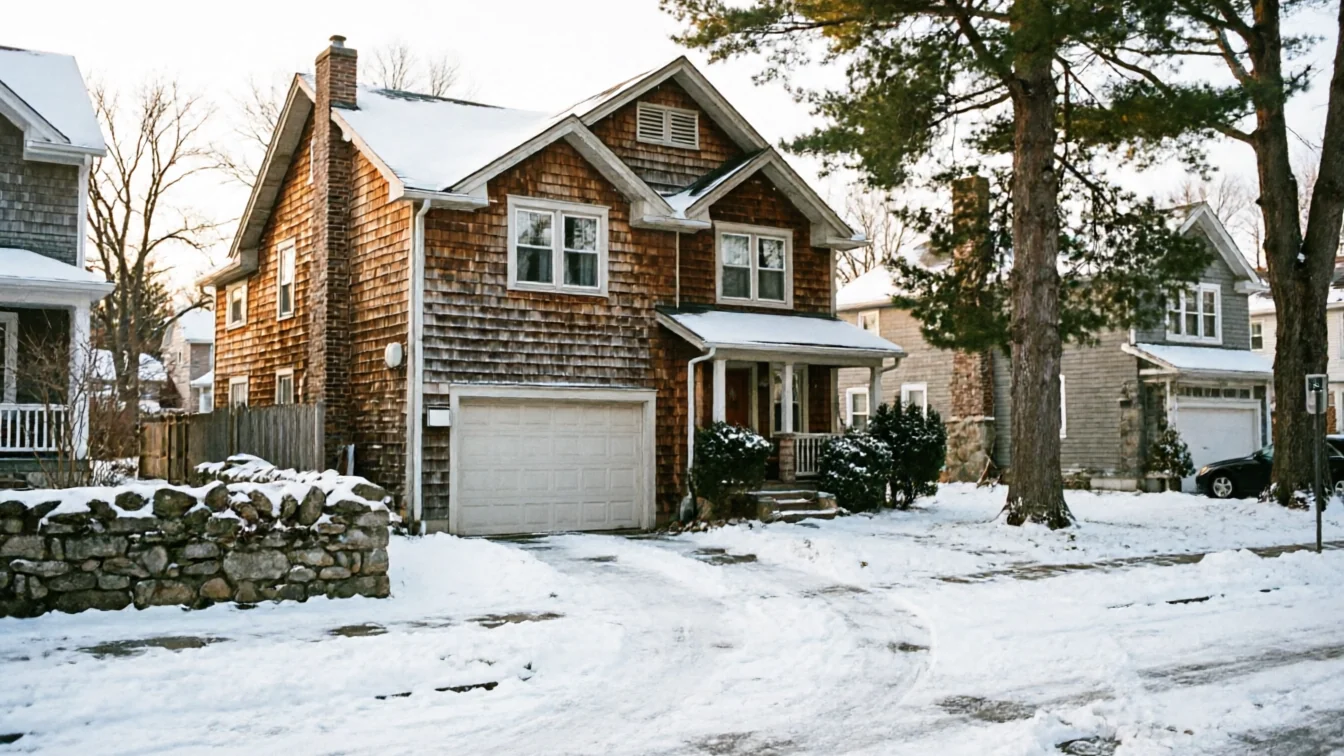
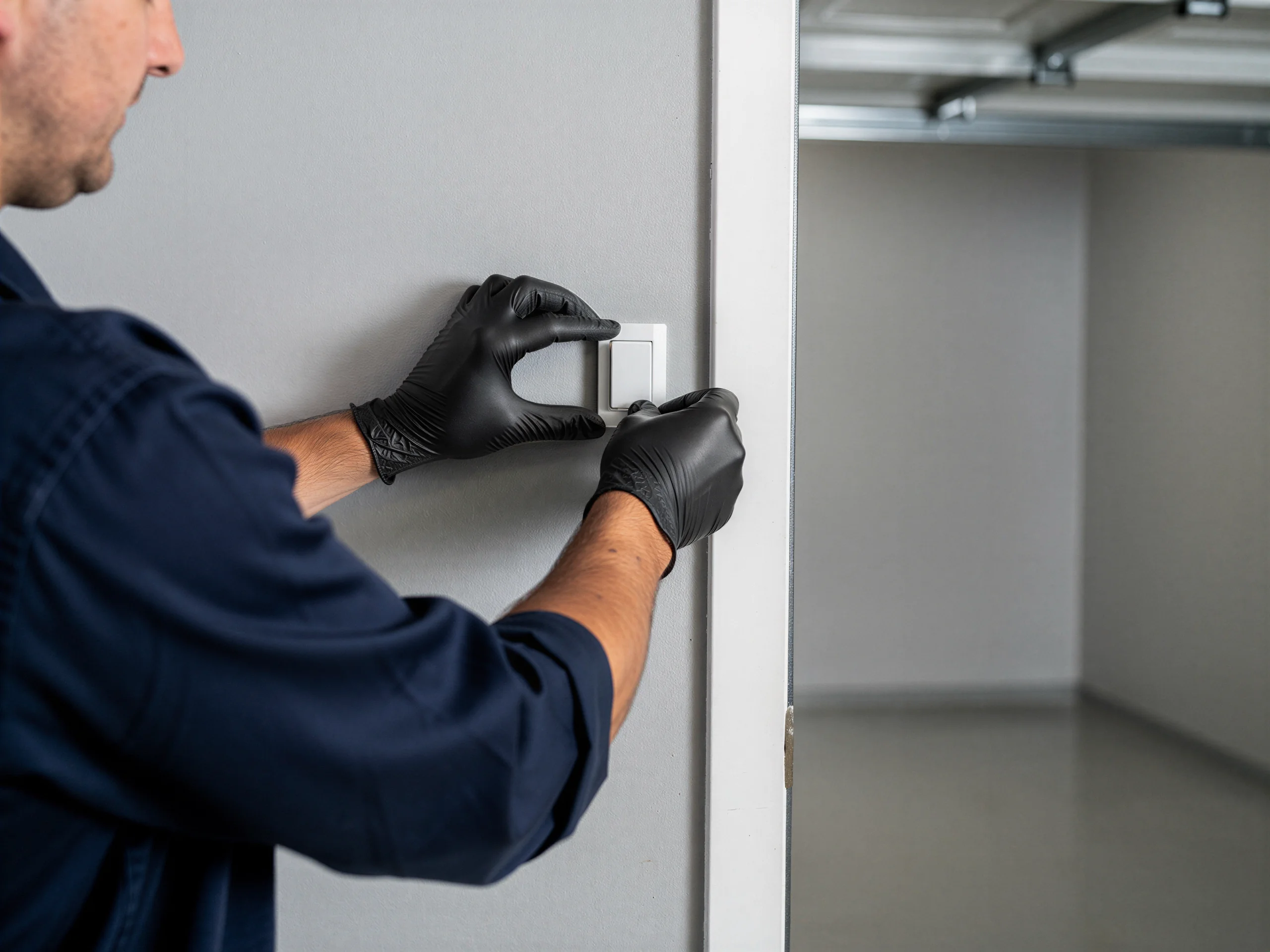
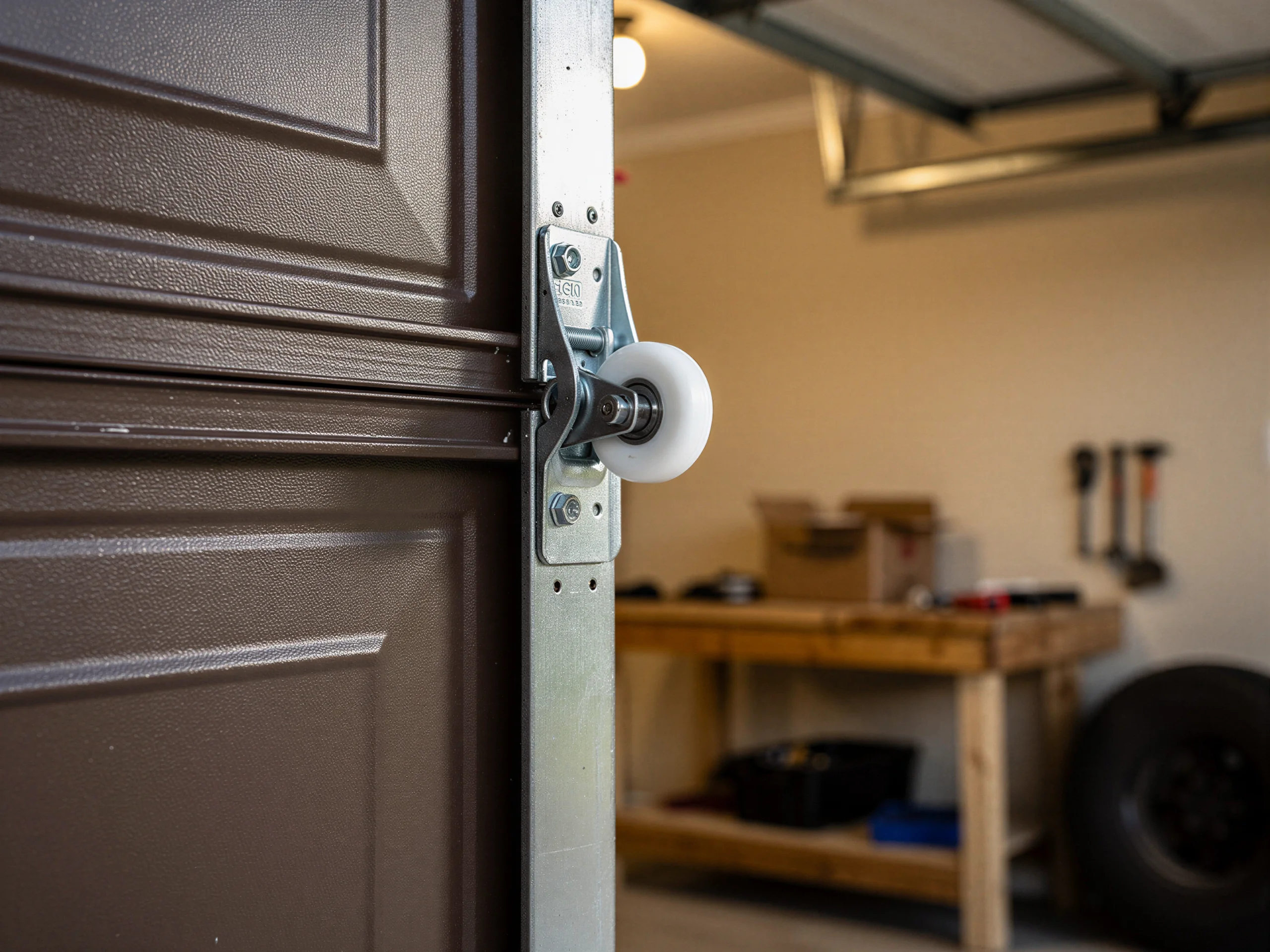
There's a few things worth checking before you call anyone. Look at the bottom corners of the door for rust-through on the track, and run a hand along the torsion shaft - if it's visibly bowed, stop there. You can safely check whether the opener's force setting is too high (the door should reverse easily if you hold it from closing with two hands) and you can check whether the rollers are cracked or missing a bearing by watching the door travel. What you should not do is touch the torsion spring itself. A wound torsion spring on a residential door carries enough stored force to break a wrist or worse, and on a 1950s-era door with an unfamiliar winding cone, even an experienced hand guesses wrong sometimes. This is the one job on a garage door that isn't a weekend project, full stop.
On the truck
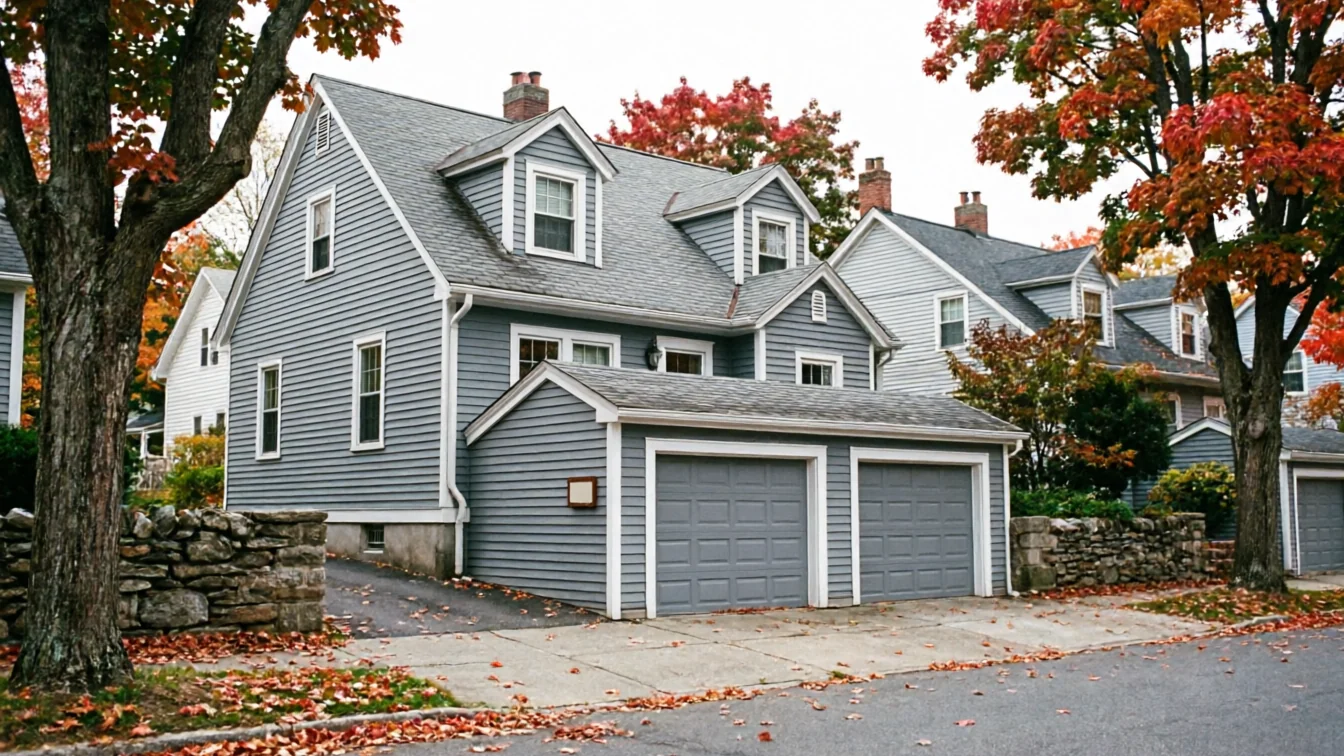
Because New Cumberland's housing skews earlier than the area median, we carry a wider spread of torsion spring sizes than a truck heading into a newer subdivision would need - including a few odd wire gauges that match 1950s-60s door weights rather than today's standard residential doors. We also carry galvanized cable in a couple of older diameters, since original drums on houses this age don't always match what's sold off the shelf now. Roller and bracket hardware gets packed heavier too, since re-drilled brackets from a prior repair are common enough here that we expect to replace rather than reuse them. What doesn't get loaded as standard stock is anything specific to a door style we haven't actually seen on a job here - if a repair calls for a part outside that normal spread, it's an order-in, not a same-visit fix, and we'll tell you that up front rather than guess.
Questions
A lot of New Cumberland's houses date to the early 1950s, and the original torsion springs on doors that age have been cycling for seventy years in a climate that gets genuinely cold. Steel fatigues faster in low temperatures, so a spring that's near the end of its life is far more likely to snap during a hard freeze than in mild weather. It's wear catching up, not a defect.
No. Harrisburg Garage Door Pros runs out of Harrisburg and covers New Cumberland as part of the regular service area, about three miles out. We don't operate a separate depot or branch location in New Cumberland itself.
Sometimes, but not always without checking first. Doors from this era were often converted to openers later, and the bracket spacing or header clearance can be off from what a modern opener kit expects. We check the existing hardware before assuming a standard kit will bolt on cleanly.
Usually yes, if the panels and track are still sound. A spring and cable repair on an older door is a fraction of the cost of full replacement, and a well-matched spring will run fine on original hardware for years. Replacement only makes sense once the frame or panels themselves are failing, not just the spring.
Explore more
Ready when you are
Harrisburg Garage Door Pros repairs and installs garage doors, springs and openers in Harrisburg, PA and the surrounding area.