Fast garage door repair in HarrisburgCall (717) 326-9668

New Cumberland, Harrisburg

Roller Replacement for New Cumberland's 1950s Garage Doors

New Cumberland homes mostly date to 1953, which means steel rollers on steel track that have had seven decades to wear. Here's what roller replacement involves here.

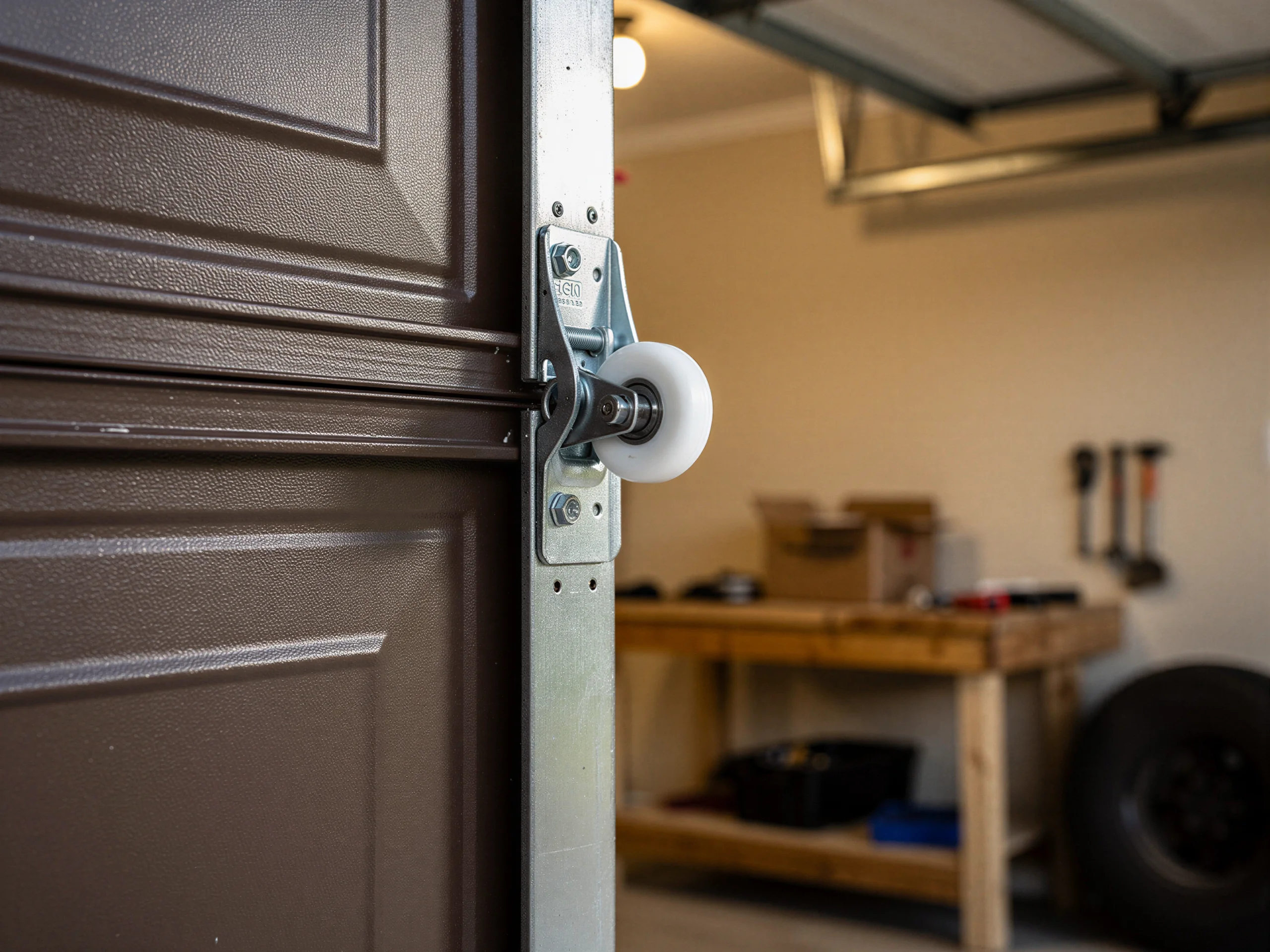
A white roller is attached to a brown garage door.
Serving Harrisburg, PABackground-checked techsHonest, upfront pricingFast local response

Local causes

Why This Fails Locally

Most garage doors in New Cumberland are hanging on houses built around 1953. That's the era of steel rollers running in steel track with no nylon bushing anywhere in the system - the roller stem rides metal-on-metal, and after enough winters the stem wears an oval groove into itself. You hear it before you see it: a grinding or popping sound as the door travels, worse at the top and bottom of the run where the curve in the track asks the most of a worn roller.

New Cumberland sits about 3 miles from Harrisburg, close enough that the service area's cold climate band applies here the same as anywhere else in the region - hard freezes, repeated freeze-thaw, road salt tracked into the garage on tires. Salt and moisture work on exposed steel rollers in a way that doesn't show up on a door until the roller seizes or the stem snaps clean. On a house with original 1953 hardware, you're not dealing with a roller that's a few years old - you're dealing with one that's outlived several owners.

The other local number worth noting: about 3,448 households are in this immediate area, with median income near $81,947, which tends to mean older homes get maintained rather than gutted and rebuilt. That's good for the house, but it means original track and roller hardware often stays in service long past when it should have been swapped.

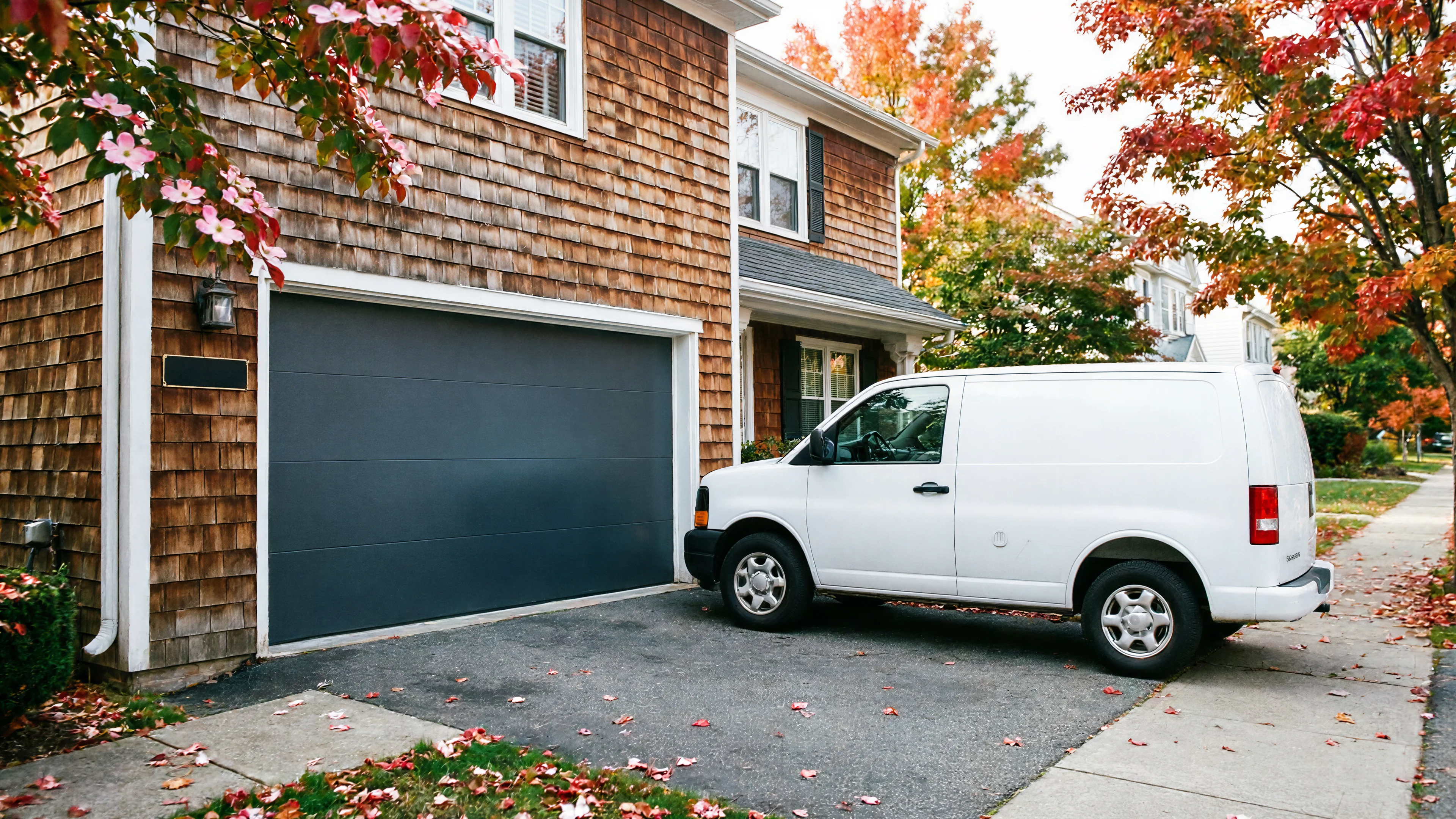
A white van is parked in a driveway next to a house with a dark gray garage door.

The repair

What the Fix Involves

Replacing rollers means pulling the door's roller brackets one at a time, working the old roller out of the track, and setting a new one in - usually nylon with a sealed bearing, which runs quieter and doesn't need the lubrication steel rollers demand.

  1. Burred track edges

    On a door with 1953-era steel track, the track itself often needs attention at the same time: decades of roller wear can leave the track edges burred or slightly bent, and a new roller dropped into a damaged track will just wear again.

  2. Track level and plumb

    The job also means checking the track plumb and the horizontal run level, since a door this old has usually settled slightly with the house. If the bottom brackets or hinges show the same wear pattern as the rollers, they get replaced in the same visit rather than left to fail next.

  3. Full roller counts

    Full roller sets on a double door run eight or ten rollers depending on panel count; doing fewer than that just moves the noise and the next failure to the roller you skipped.

Watch-outs

What Can Go Wrong

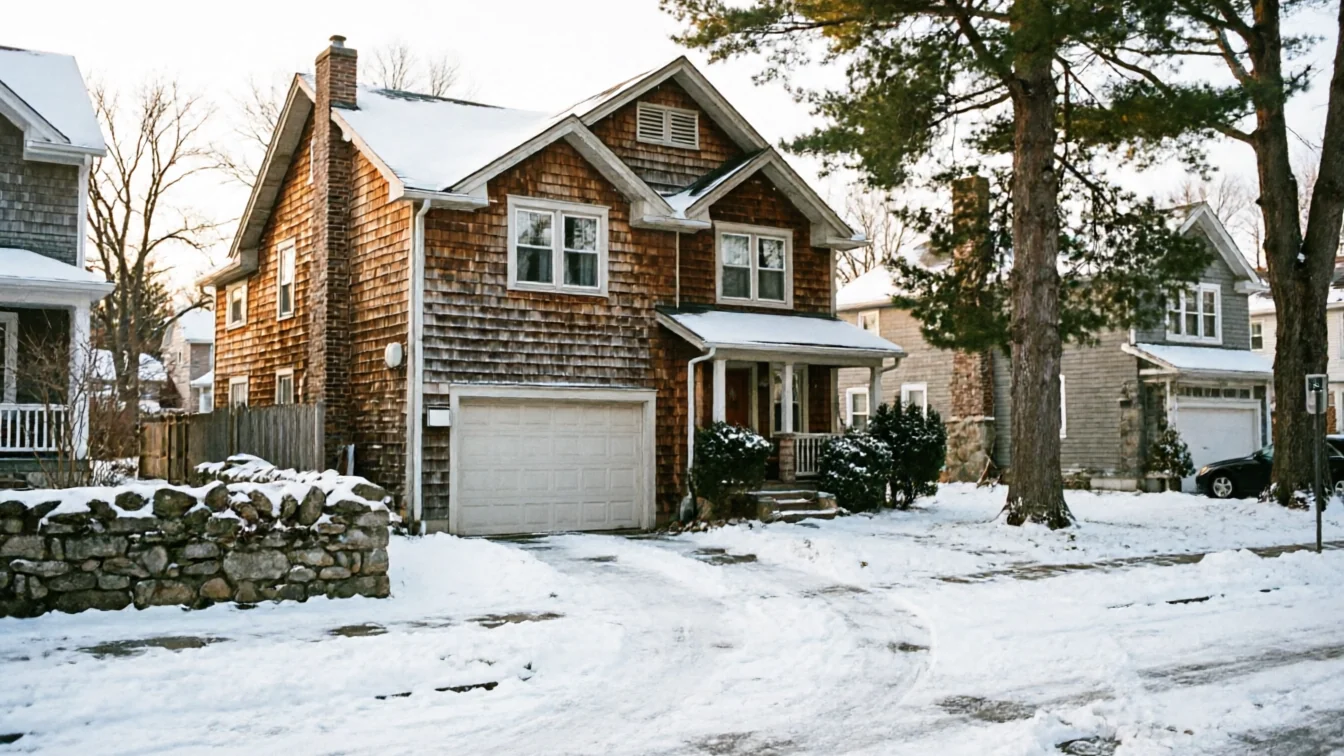
A two-story house with a white garage door and snow on the ground.

The top roller brackets on an older door are often fastened into wood jambs that have shrunk or split slightly over seventy years, so a bracket that looks solid can pull loose under spring tension the moment it's unbolted. That's a cable-off, door-falls situation if it's not anticipated.

Another local-specific issue: steel track from the 1950s was often installed with a tighter radius than modern track, built for the lighter doors common at the time. Swap in a heavier insulated door later without re-checking the radius, and the new rollers wear fast no matter how good they are - the track geometry is fighting them. If that mismatch shows up, roller replacement alone won't hold, and the conversation shifts to replacing the track section, not just the rollers.

DIY or pro

Doing It Yourself

Replacing a bottom roller on an opened door with the spring at rest is within reach for a homeowner who's comfortable with hand tools - pull the bracket bolt, slide the roller out, slide the new one in.

Fatigued top bracket metal

The rollers near the top, close to the spring and cable system, are a different matter: the door is under tension there, and on a door this old the bracket metal itself may be fatigued. We won't talk anyone through that part over the phone.

Bent-radius track geometry

One honest limit: if your track shows the bent-radius problem above, buying a roller kit online and swapping it yourself won't fix the grinding - you'll have new rollers wearing against the same bad geometry within a season. Worth having someone look at the track before you spend money on parts.

On the truck

What Is on the Truck

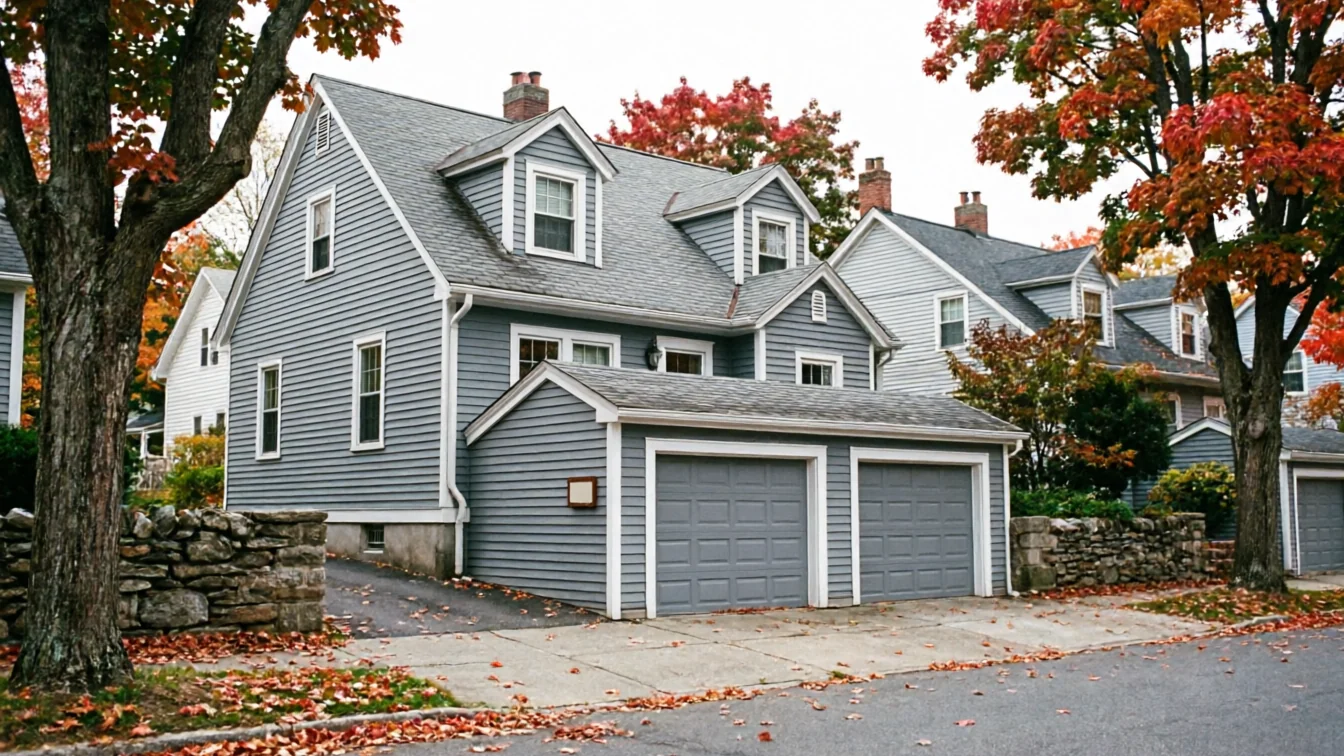
A gray house with two gray garage doors is surrounded by autumn trees.

We carry nylon rollers in the common stem lengths and both standard and long-life sealed-bearing versions, since older New Cumberland doors vary in which stem length they were built with. Track sections, bottom brackets, and hinges come along too, because on a door built around 1953 it's common to need more than just the roller. One thing we don't stock on the truck: custom or decorative track for doors outside the standard residential sizes - that's a special order, and we'll tell you up front if your door needs it rather than make you wait on-site for parts that aren't coming.

Questions

Common questions

How do I know if it's the rollers and not the opener?

If the door grinds or pops at the same spots every time it travels, especially near the top of the curve, that's roller wear, not the opener. An opener problem usually shows up as the door stalling or reversing, not as a mechanical noise along the track.

Why do my rollers wear out faster than my neighbor's newer house?

Houses built around 1953, common in New Cumberland, usually still have steel rollers on steel track rather than the nylon-on-sealed-bearing setup used in newer construction. Steel-on-steel wears faster, especially with the freeze-thaw cycles this area gets.

Can you replace just the noisy rollers and leave the rest?

Sometimes, if the other rollers show no wear pattern yet. But on a full roller set from the same era, if one has worn out the others usually aren't far behind, so we'll tell you honestly if a partial job just means a second visit soon.

Explore more

More Services in New Cumberland

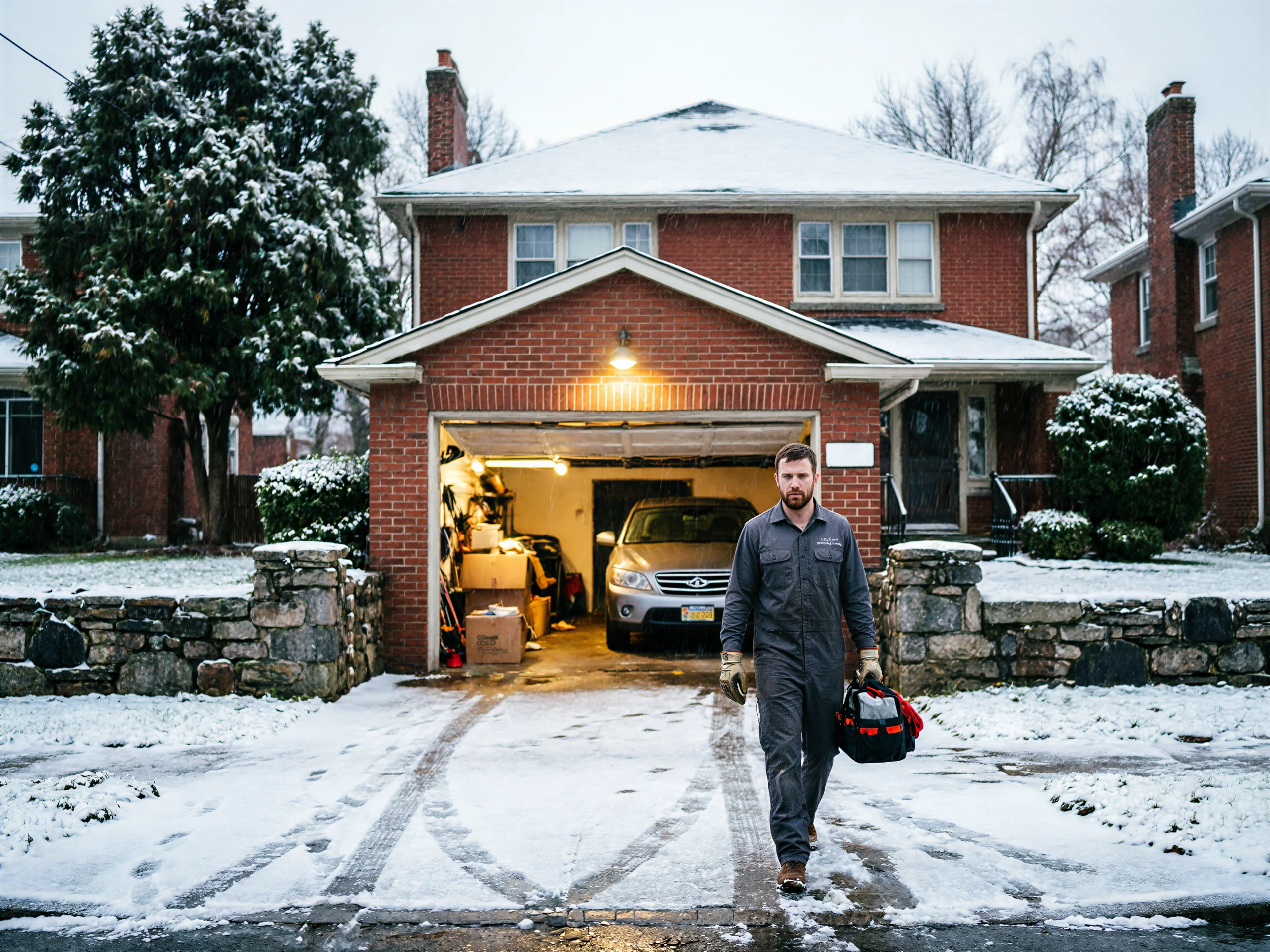
A technician walks away from a house with an open garage on a snowy day.

Emergency Garage Door

Broken spring or jammed door in New Cumberland? Learn more →
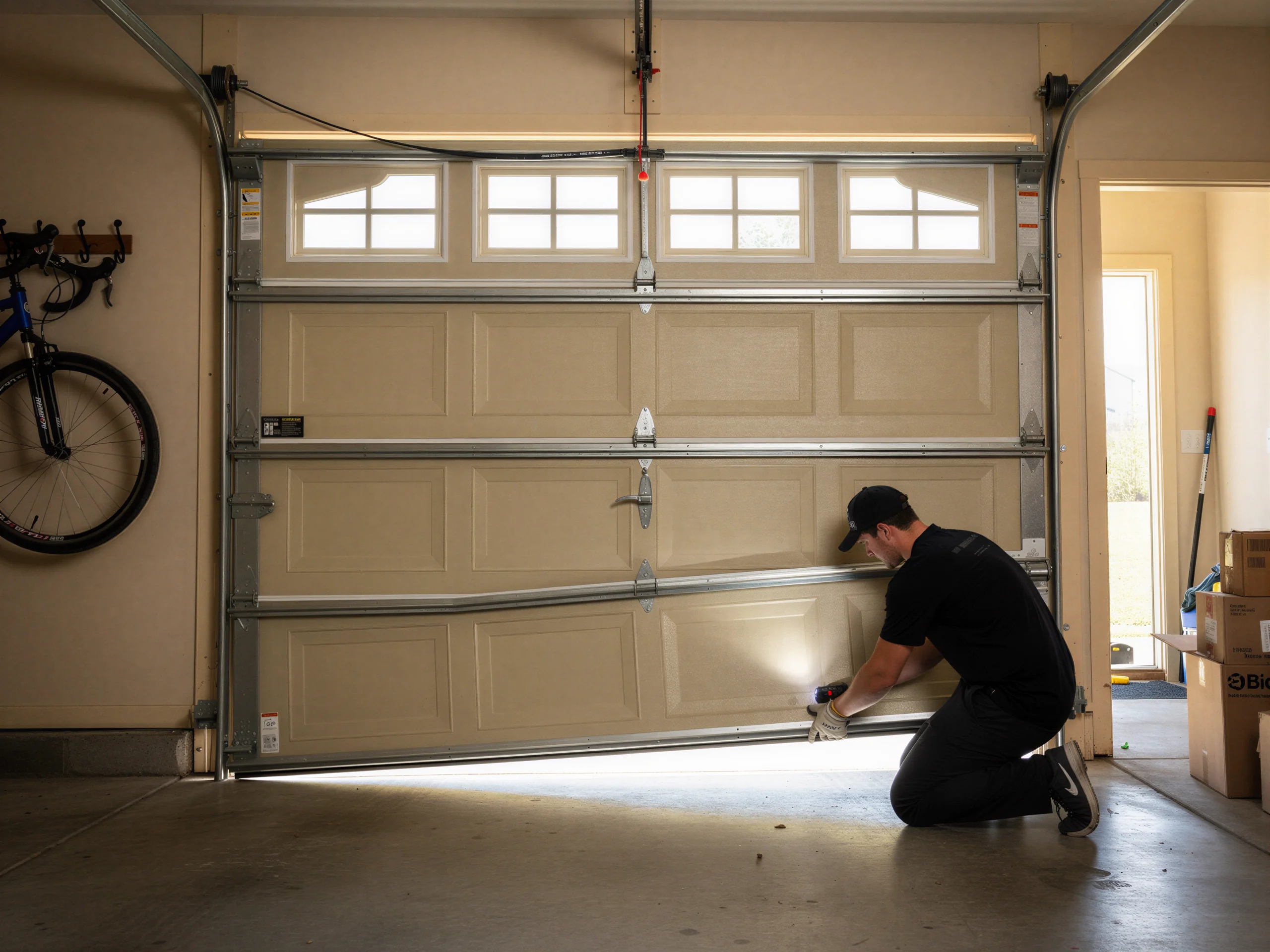
A technician kneels, inspecting a damaged beige garage door with a flashlight.

Garage Door Repair

Harrisburg Garage Door Pros repairs the springs, openers, and tracks on New Cumberland's 1950s-era doors, three miles out and well within our regular run. Learn more →
A technician wearing gloves adjusts the top panel of a white garage door.

Garage Door Service

New Cumberland homes median 1953, with a $81,947 median income. Learn more →
A technician wearing gloves adjusts the top panel of a white garage door.

Maintenance

New Cumberland homes date to around 1953 median build. Learn more →
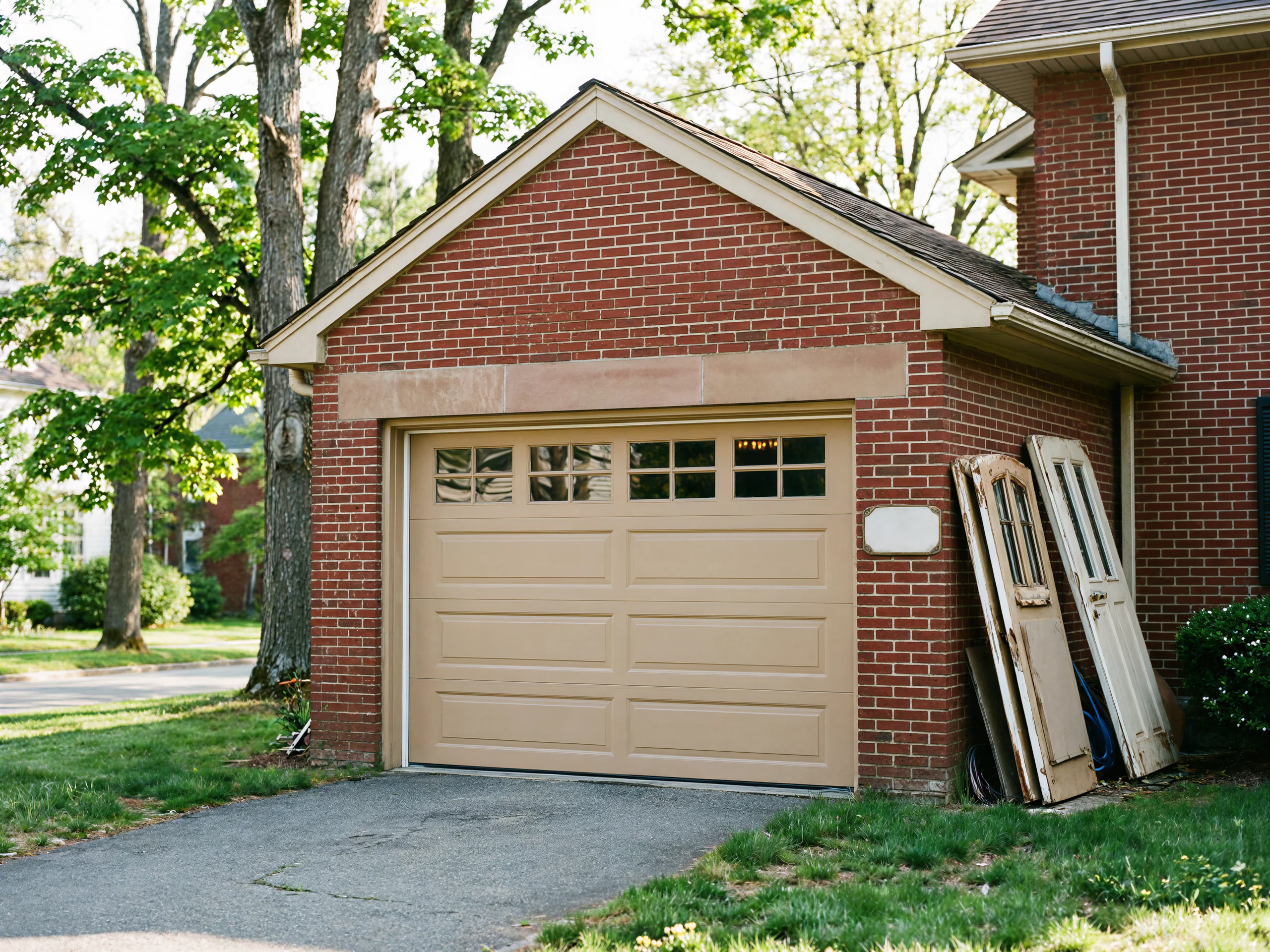
A tan garage door with windows is on a brick garage next to a driveway.

New Door Installation

New Cumberland's homes mostly date to 1953, decades older than Harrisburg's stock. Learn more →
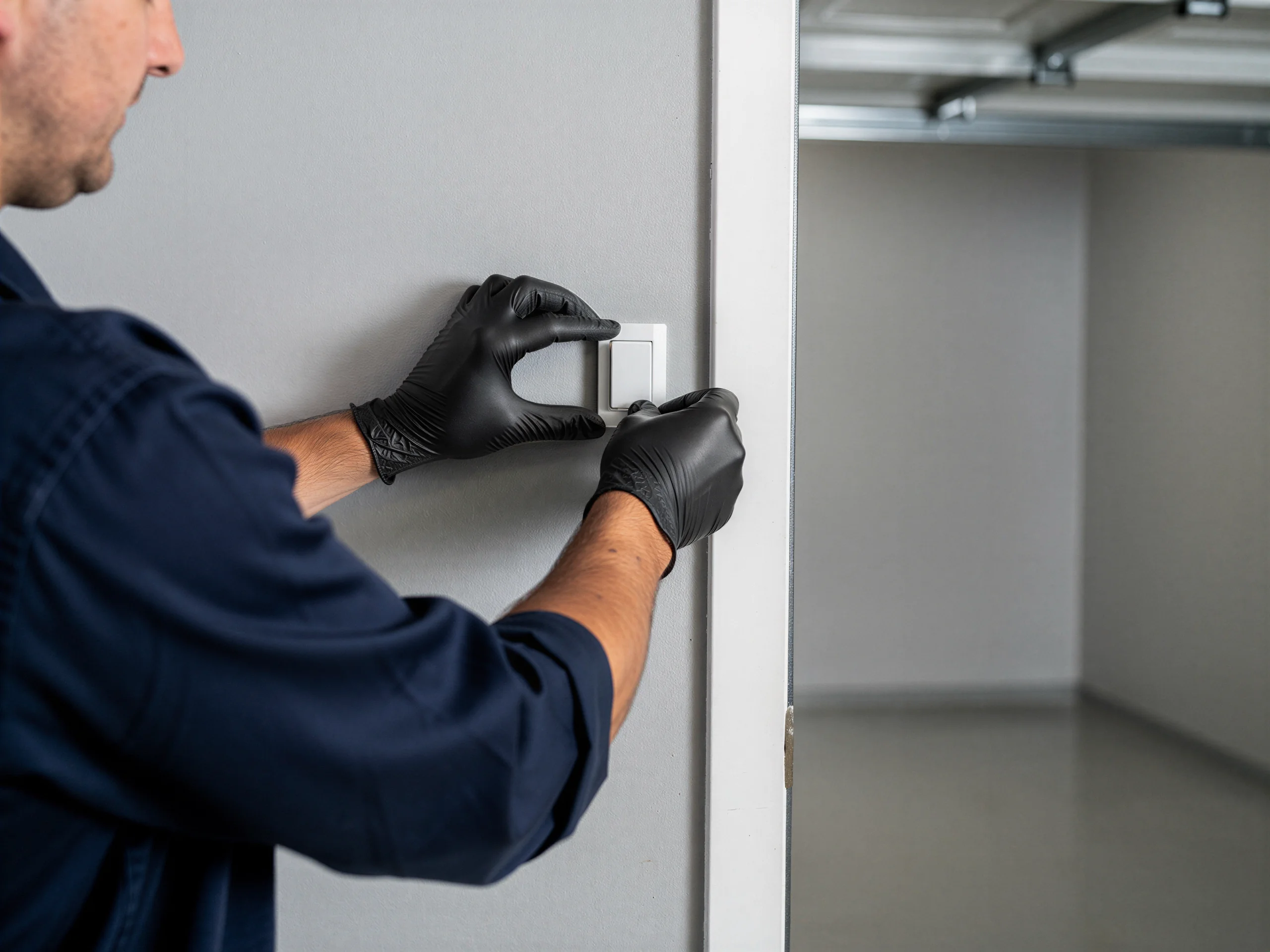
A technician in black gloves installs a white light switch on a gray wall.

Opener Installation

Opener installs for New Cumberland's 1953-era garages: original headers, single-car openings, and cold-rated gear sets built from Harrisburg, 3 miles out. Learn more →
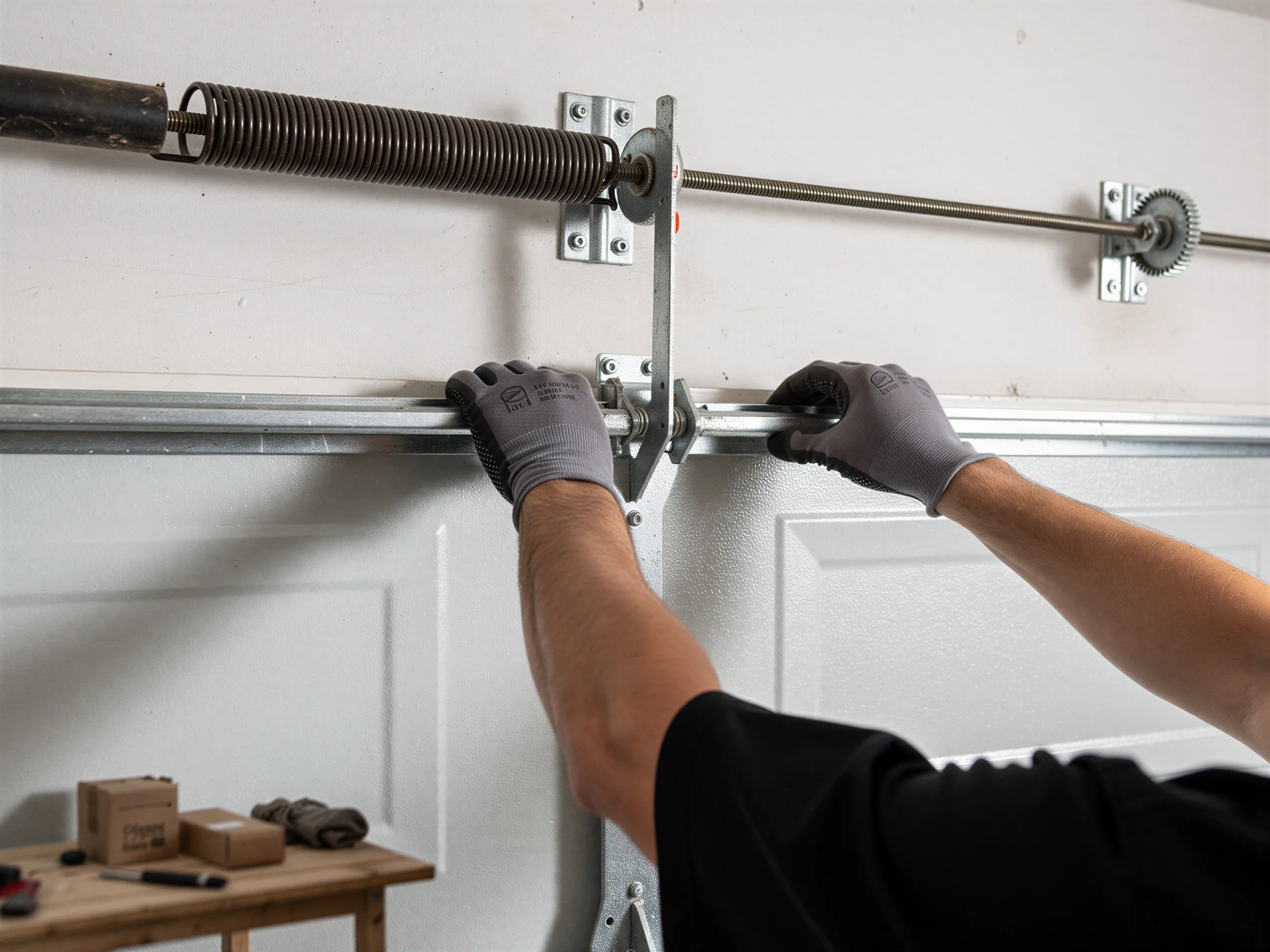
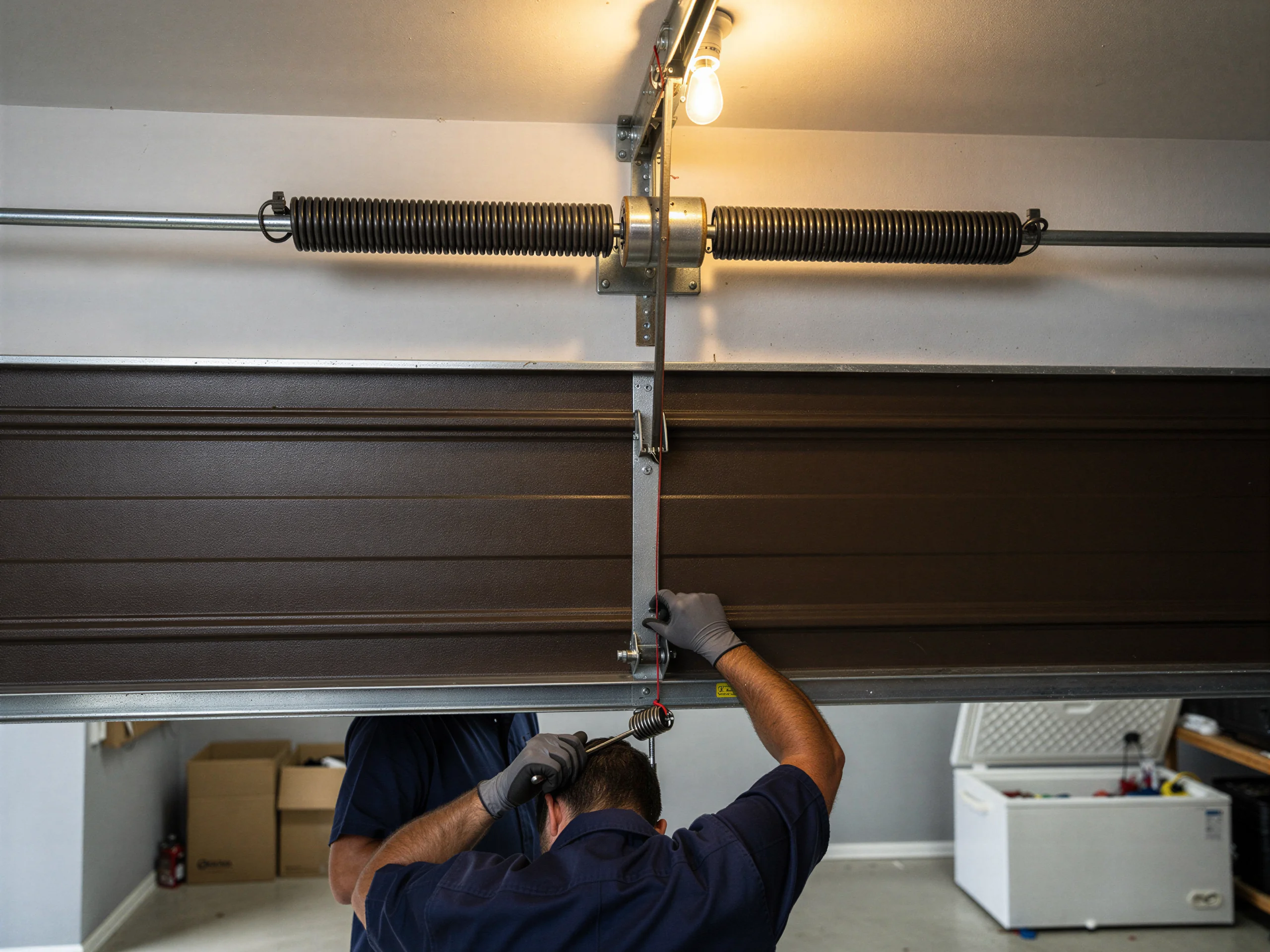
A technician in gray gloves works on a brown garage door with a torsion spring.

Spring Repair

Spring repair for New Cumberland's 1950s-era garage doors, serviced from Harrisburg three miles away. Learn more →

Ready when you are

Need a garage door sorted in Harrisburg?

Harrisburg Garage Door Pros repairs and installs garage doors, springs and openers in Harrisburg, PA and the surrounding area.

Call NowGet a quote