Header sag risk
Old headers are the other problem spot: a header sized for a lightweight wood door can sag under a heavier insulated steel door if nobody checks it first, and that sag shows up months later as a door that won't track straight.
New Cumberland, Harrisburg
New Cumberland's homes mostly date to 1953, decades older than Harrisburg's stock. That changes the door size, hardware, and install approach needed here.
Local causes
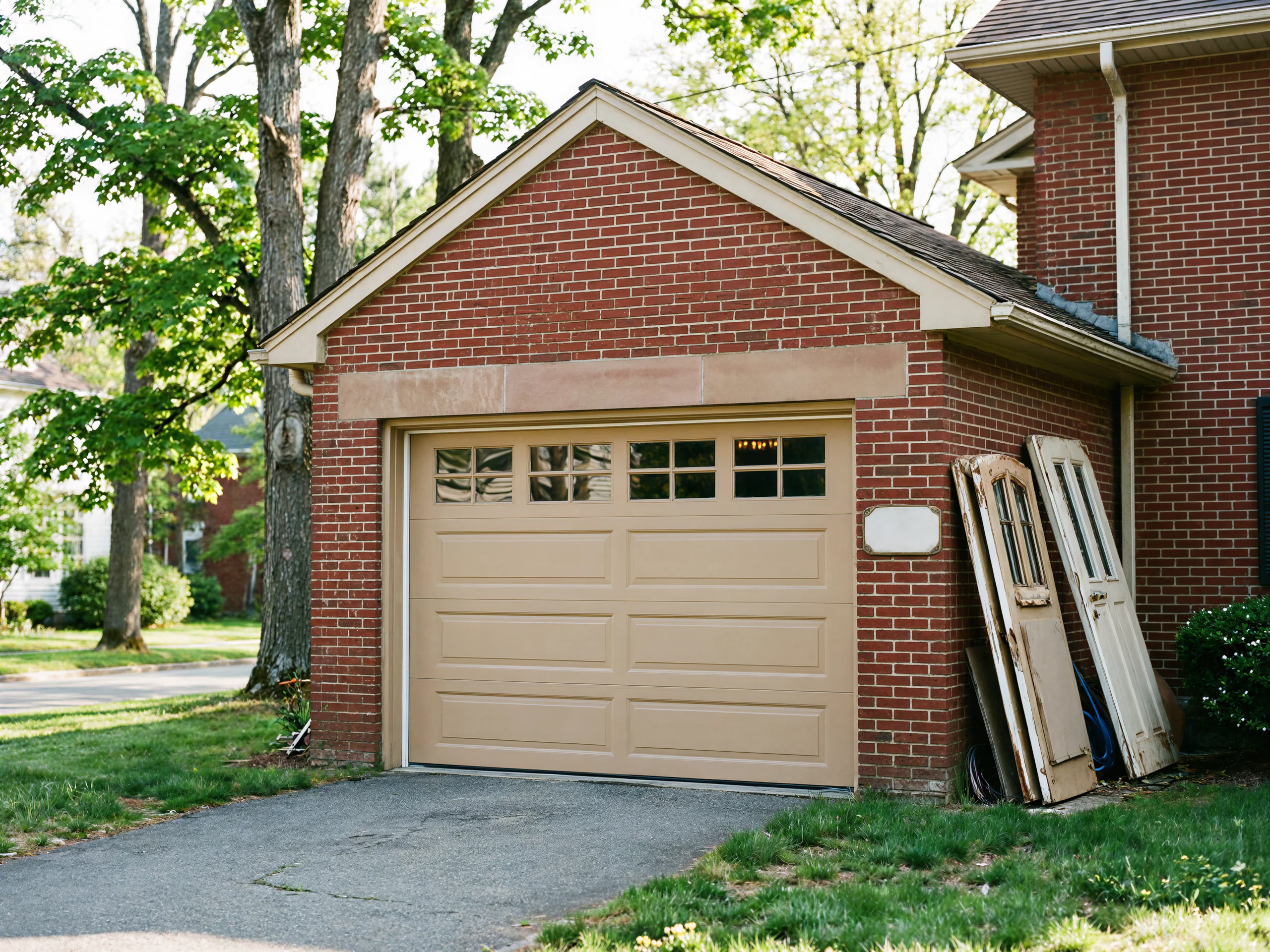
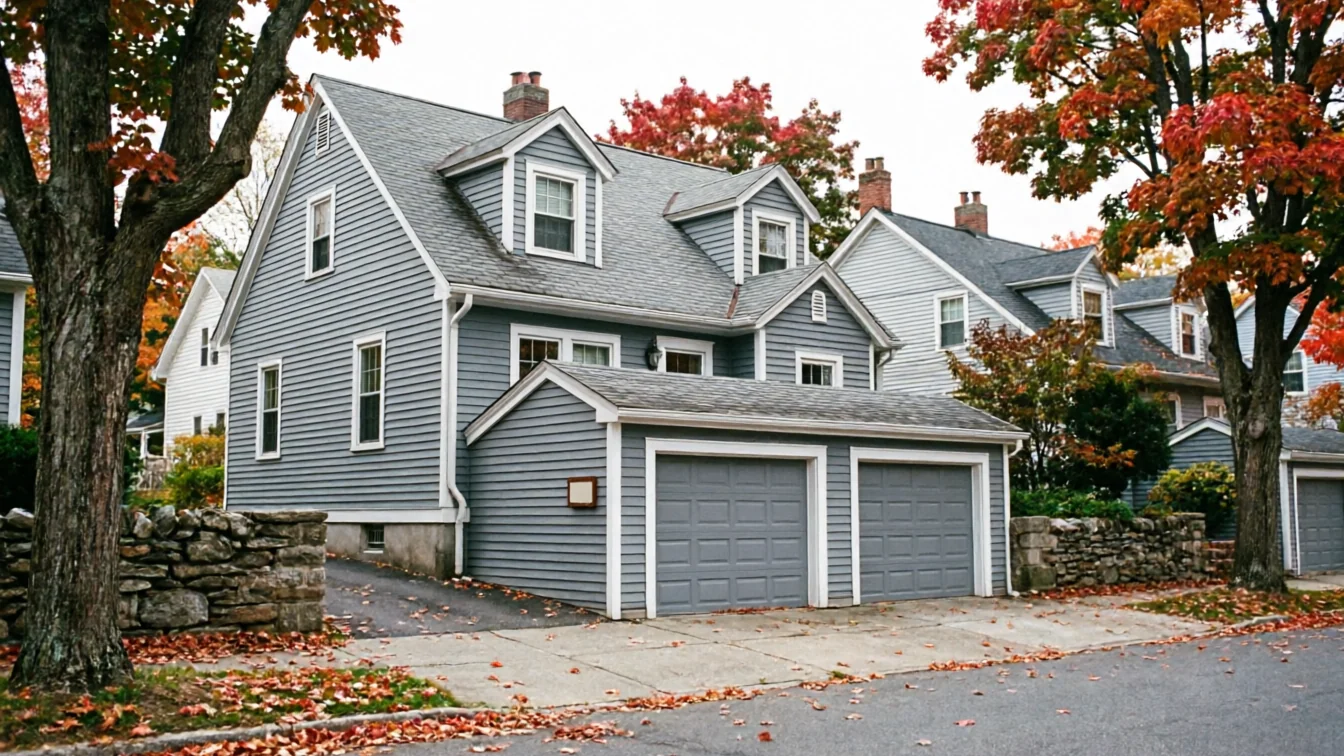
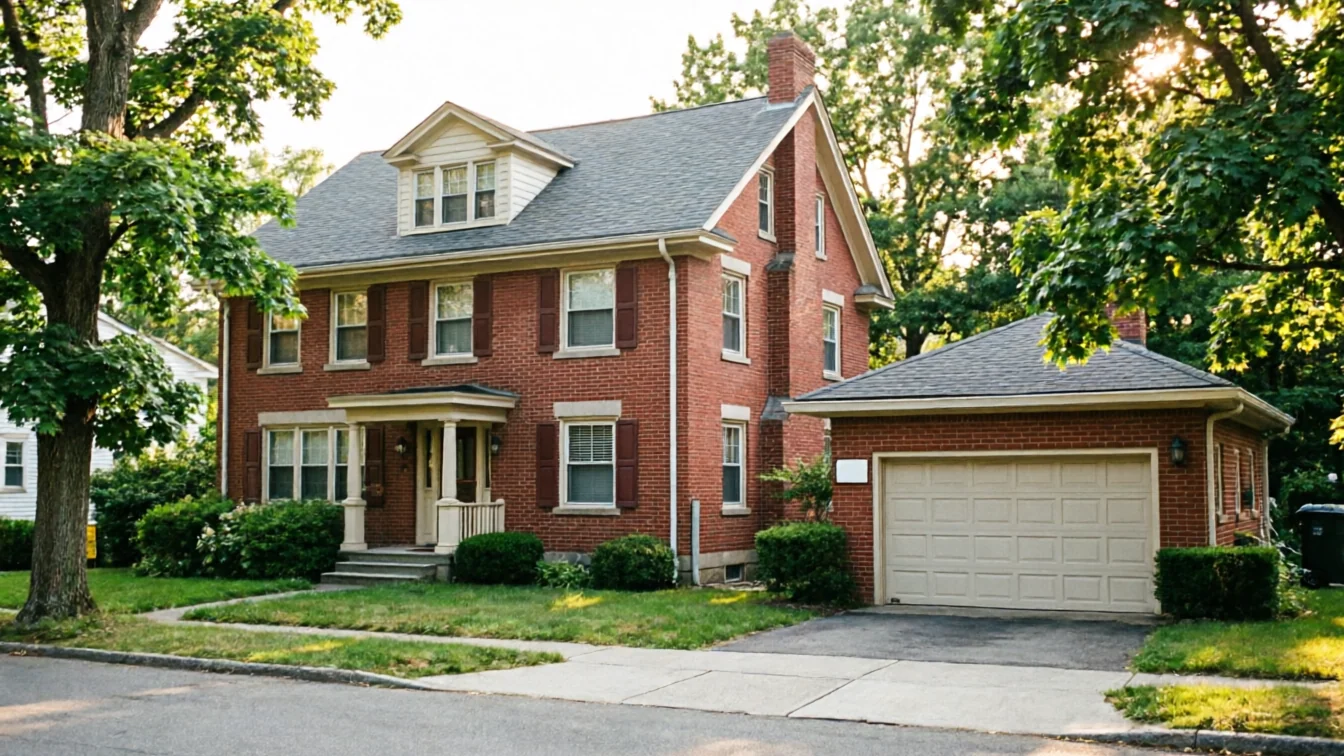
Drive the three miles from Harrisburg into New Cumberland and the housing gets older before it gets newer. Across the wider service area, most garage doors sit on framing built between 1938 and 2004, with the midpoint landing around 1970 - a lot of split-levels and ranch openers installed during the suburban boom of the 60s and 70s. New Cumberland doesn't follow that curve. A large share of its houses went up around 1953, which puts the typical garage here a solid fifteen to seventeen years ahead of the region's median build year. That gap matters more than it sounds. A door and header framed in the early 1950s was almost never built to hold a modern steel insulated door; it was sized for a lighter wood panel door on a simple track, with rough openings that don't match today's standard 8 or 9-foot widths. When a homeowner here calls about rattling panels or a door that won't seal at the bottom, the cause is as often the opening itself as it is the door. Add this region's cold, severe winter climate, and a non-insulated, poorly sealed door from that era is also the reason the garage floor stays near freezing most of January.
The repair
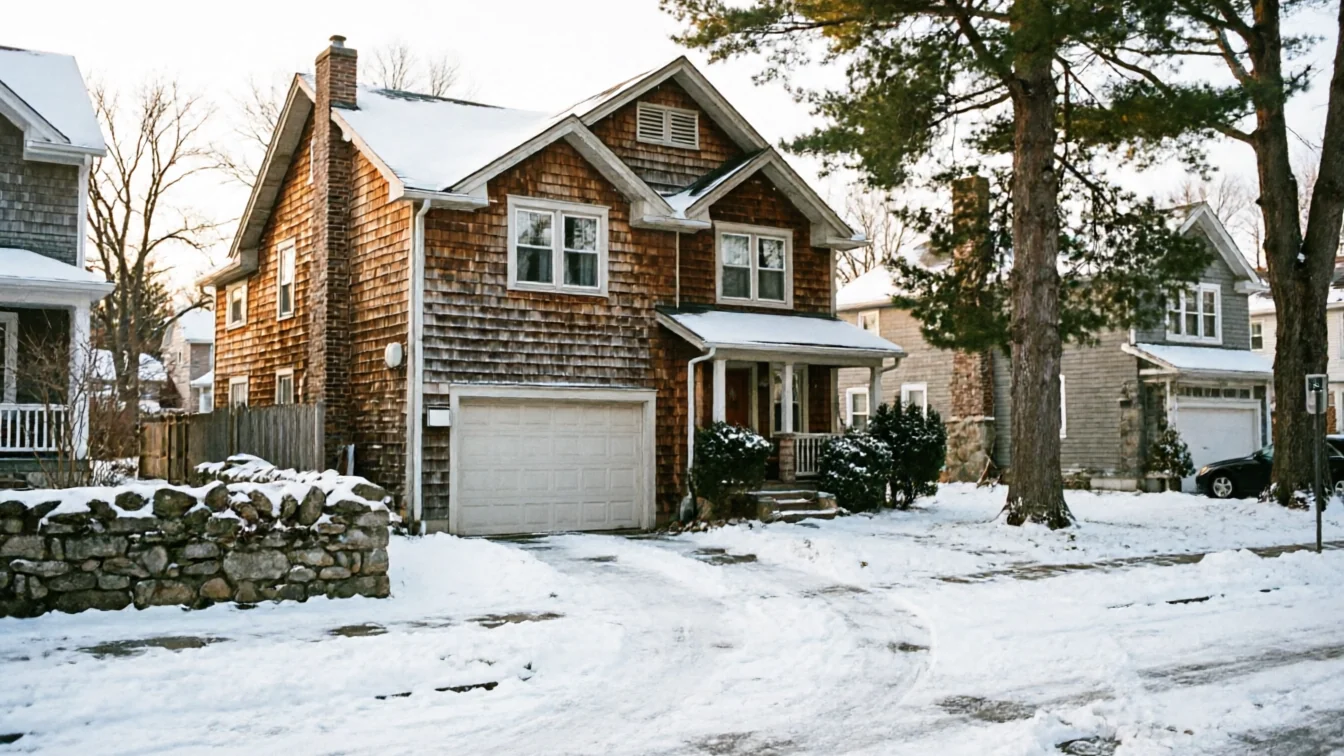
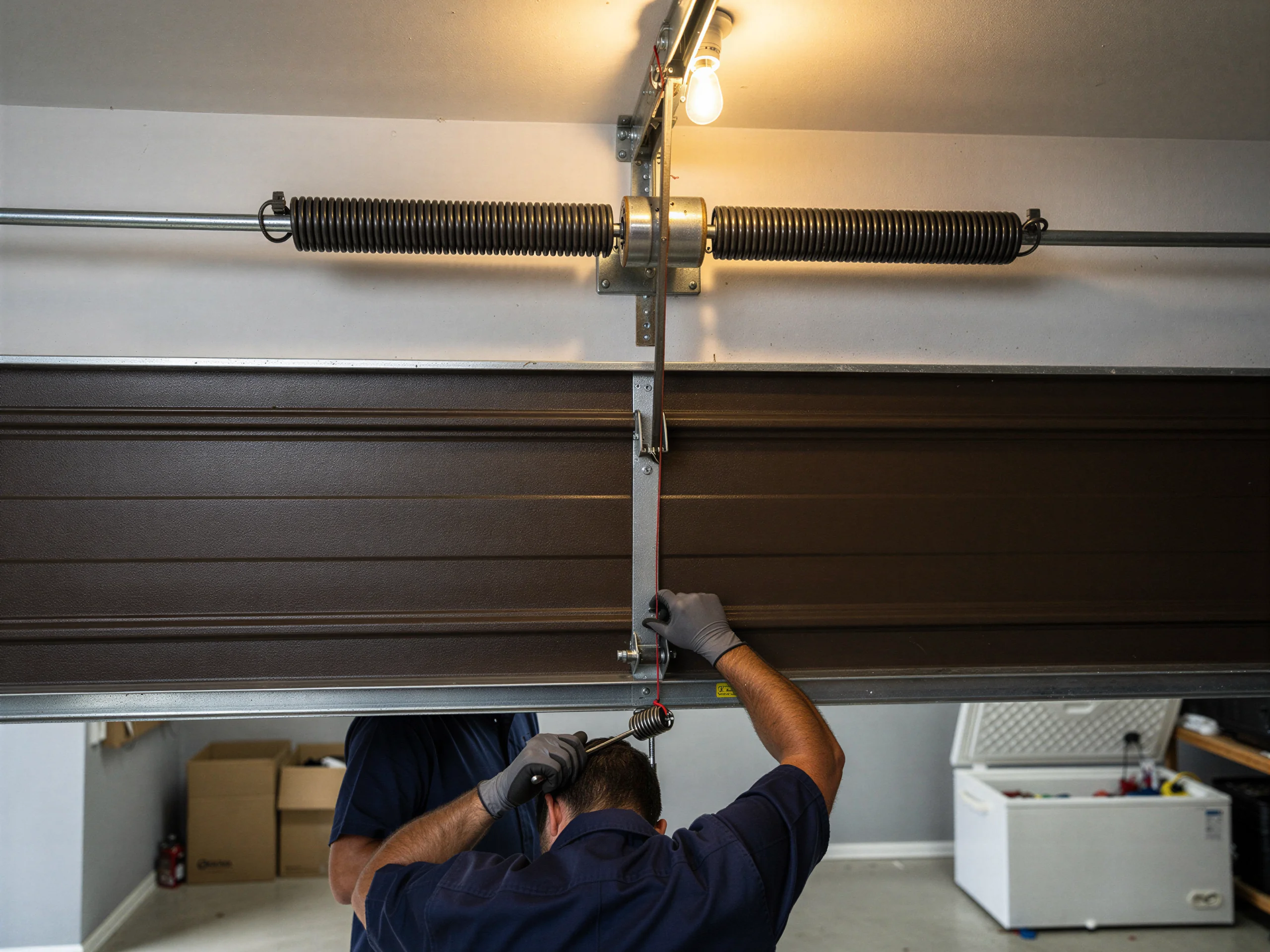
A proper install in a house from this era starts with measuring the actual rough opening, not assuming it matches a modern standard size - framing from 1953 often runs an inch or two off in both width and height. We check the header for rot or undersizing before anything gets hung, since older headers weren't built to carry the extra weight of an insulated steel door. For the cold winters this area sees, that means a door with a real R-value, weatherstripping rated for sustained freezing temperatures, and a bottom seal that won't crack and let draft through by the second winter. Torsion springs get sized to the actual door weight, not a generic chart number, which matters more once insulation is added to a panel. If the opener predates the door, it usually gets replaced too, since older chain-drive units aren't built for the balance point of a modern door and will burn out trying to compensate. None of this is unusual work, but it takes longer than a straightforward swap in a newer development house, and it gets priced that way.
Watch-outs
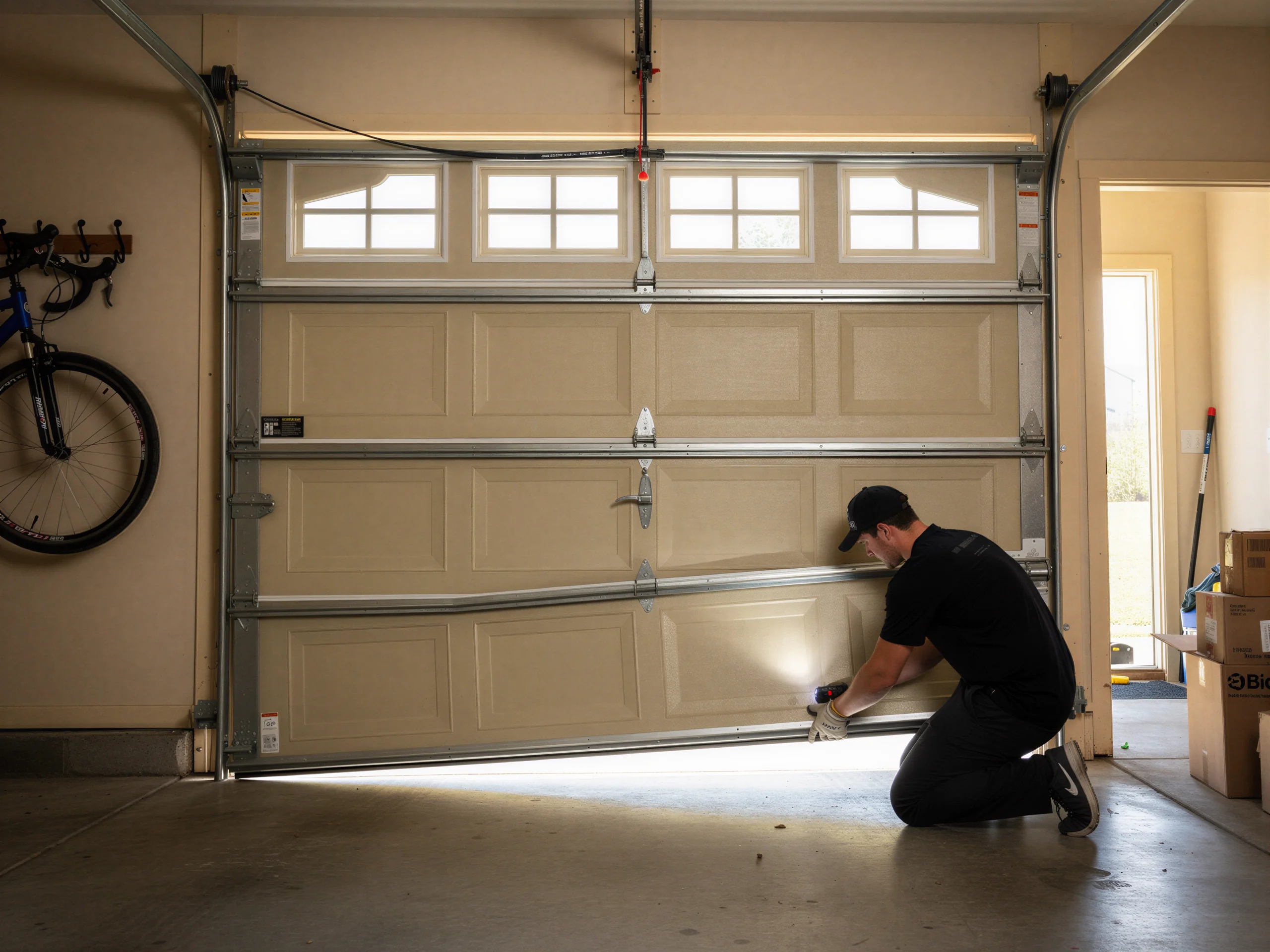
The most common mistake with houses from this period is ordering a standard-size door without remeasuring the actual opening - a 1953 garage often isn't the 16-foot double or 9-foot single that's become the default size at the big suppliers, and a door that's close but not exact will bind on the track or leave a gap at the jamb.
Old headers are the other problem spot: a header sized for a lightweight wood door can sag under a heavier insulated steel door if nobody checks it first, and that sag shows up months later as a door that won't track straight.
Opener mounting brackets from decades-old installs sometimes anchor into framing that's no longer sound, and reusing them without inspection is how a bracket pulls loose after the new door goes in.
None of these problems show from the driveway, which is why a careful look at the opening before ordering matters more here than in a newer neighborhood where every opening is built to the same current spec.
DIY or pro
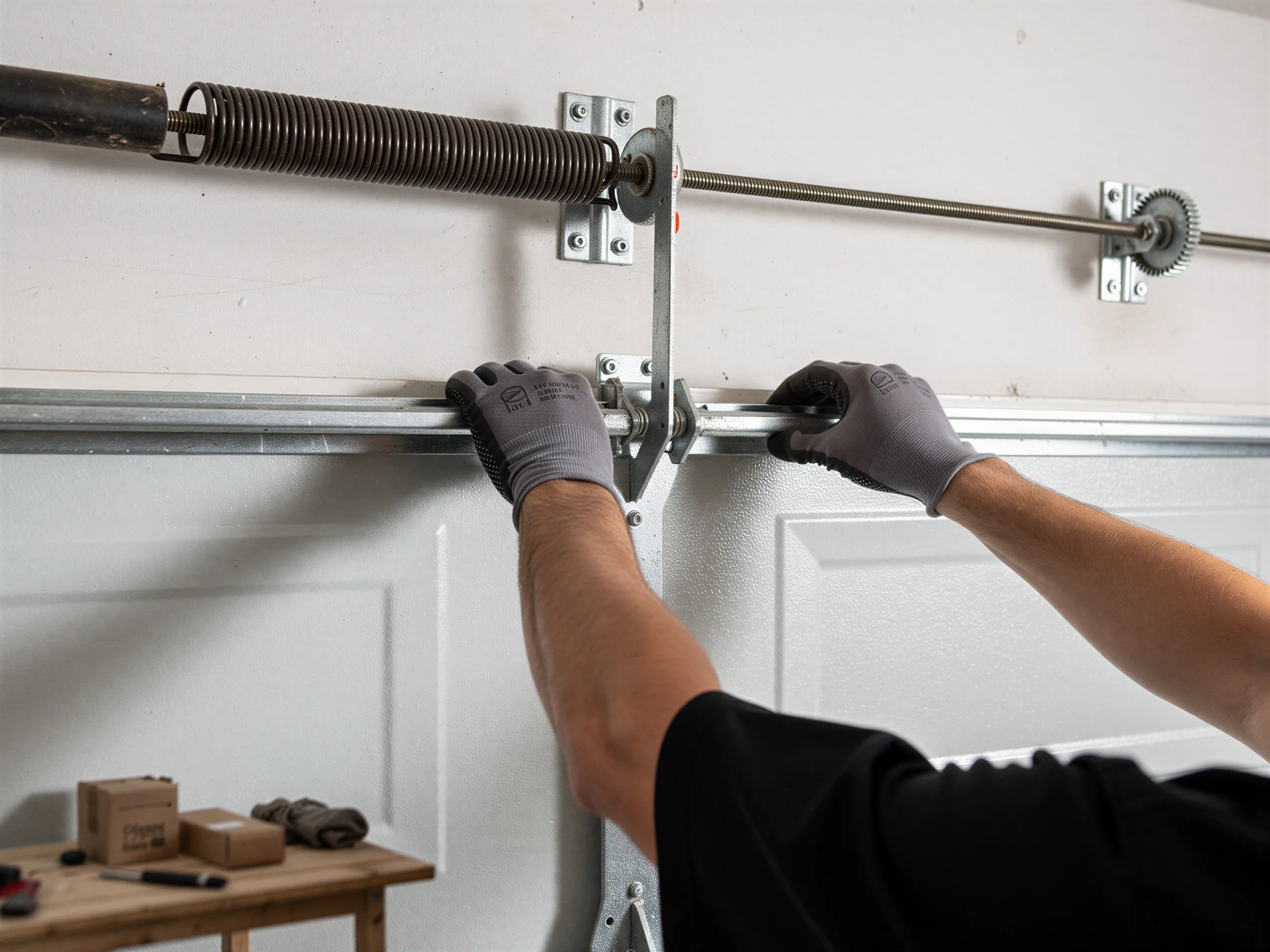
Weatherstripping, the vinyl seal along the sides and top of the door, is something a reasonably handy homeowner can replace without us - it's a few screws and a trim strip, and doing it yourself saves a call for something minor. Swapping the door panel itself, or anything involving the torsion spring, isn't in that category. A wound spring on an older, non-standard opening carries real force, and setting it to the wrong tension on a door that doesn't match a factory spec sheet is how people get hurt or crack a new panel on day one. If your opening doesn't match standard sizing - which is common on a house built around 1953 - a mismeasured DIY order can mean weeks of waiting on a special-order replacement panel instead of fixing it once.
On the truck
For a New Cumberland install we bring insulated steel sections in both standard and near-standard widths, since older openings here don't always land on a stock size, along with torsion springs rated across a range of door weights rather than a single fixed size. Cold-rated weatherstrip and bottom seal kits come standard given the winters this area sees. What we don't carry for every job is a replacement header or framing lumber - if the opening needs structural work beyond the door itself, that's a separate call before installation can go ahead, and it's worth knowing that going in rather than finding out on install day.
Questions
Not always. Openings framed around 1953 often run off standard modern sizing by an inch or two, and some were built for a narrower wood door than today's typical steel panel. We measure the actual opening before ordering rather than assuming it matches a current stock size.
If the opener predates the door, it was likely matched to a lighter wood panel on a simple track. A newer insulated steel door has a different weight and balance point, and an old chain-drive unit can burn out trying to compensate for it.
No, the company works out of Harrisburg, about three miles away, and travels in for jobs here. We don't keep a separate branch or depot in New Cumberland.
Explore more

Ready when you are
Harrisburg Garage Door Pros repairs and installs garage doors, springs and openers in Harrisburg, PA and the surrounding area.