Fast garage door repair in HarrisburgCall (717) 326-9668

Progress, Harrisburg

Emergency Garage Door Repair for Progress, PA

Progress homes went up mostly around 1960, which means original extension-spring hardware fighting severe cold. We travel 3 miles from Harrisburg for same-day emergency repair calls.

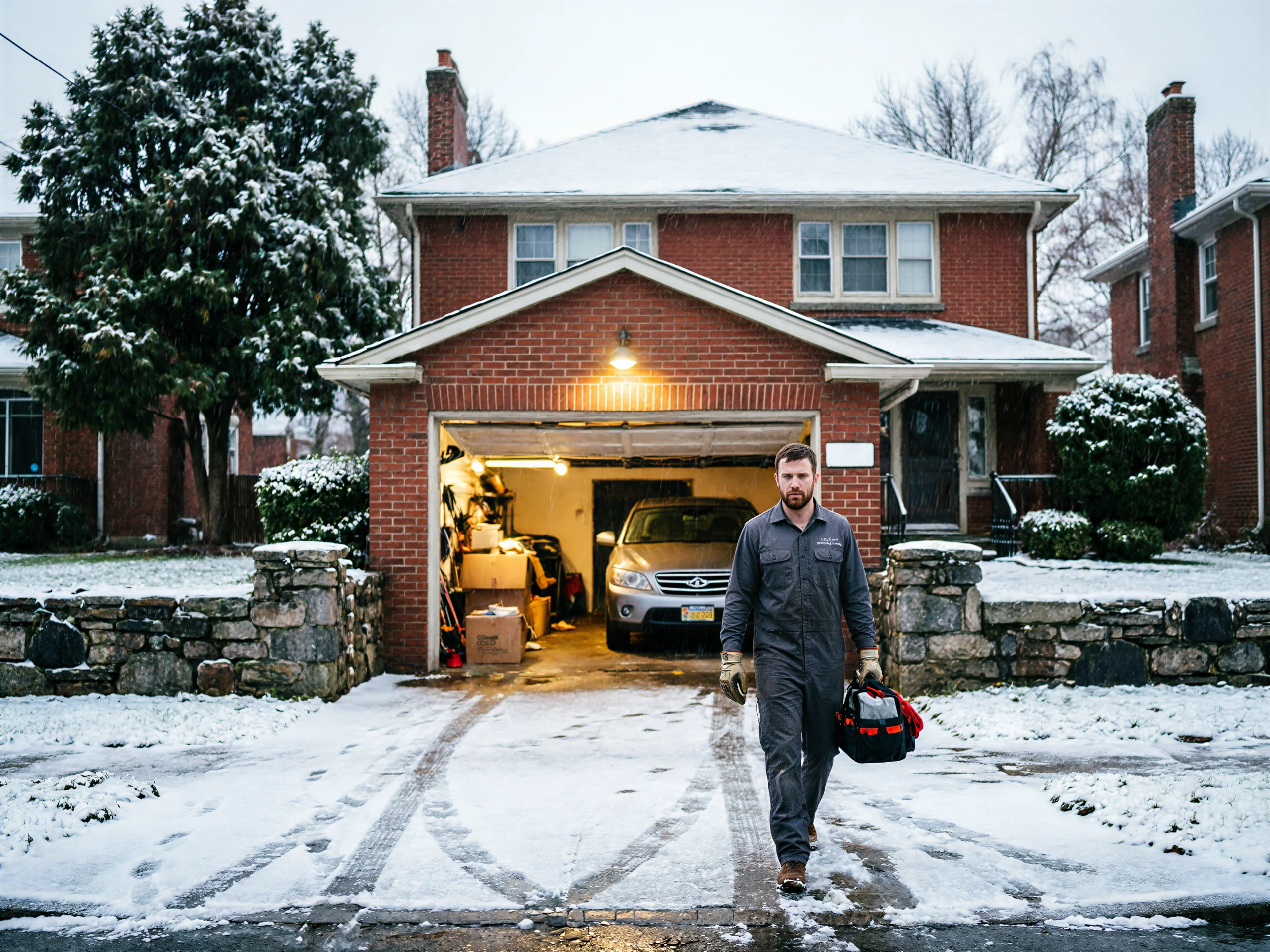
A technician walks away from a house with an open garage on a snowy day.
Serving Harrisburg, PABackground-checked techsHonest, upfront pricingFast local response

Booking

Booking a Visit

Progress sits about 3 miles from our shop in Harrisburg, close enough that an emergency call here doesn't mean waiting until tomorrow. We don't keep a branch or a drop box in Progress - the truck comes from Harrisburg, loaded for the kind of hardware this part of the county actually has in its garages.

  1. Halfway stuck doors

    When you call, tell us what you're seeing: a door stuck halfway, a spring that let go with a bang, a cable off the drum. That tells us which parts to bring before we're even on the road.

  2. Repeating failure causes

    With 4,649 households in Progress, the common failures repeat enough that we can usually guess the cause before we arrive, but we still confirm it in person before touching anything. If the opener is still trying to run a disconnected door, cut power at the wall first - that's the one thing worth doing before we get there.We book by phone, not by guesswork.

  3. Safety first triage

    If your situation is a true safety issue - a door that won't stay up, a spring that's split and still under tension - say so when you call, because that changes the order we run calls in.

Warning signs

What You Are Seeing

Progress's housing stock centers on 1960, which puts a lot of these garages right at the tail end of the extension-spring era and the early edge of torsion conversions.

Horizontal track springs

If your door still has springs running along the horizontal tracks above the rollers instead of one spring over the header, that's original-era hardware, and it fails differently than newer torsion setups - usually a frayed safety cable or a spring that stretches and loses tension rather than snapping clean.

Soft spot dents

Panels from that period also tend to be single-layer steel with no insulation between skins, so a dent that looks cosmetic can actually be a structural soft spot that lets the whole section buckle under a hard gust or a bump from a car.

Collision bent tracks

Tracks bent from age or a minor collision are common too - they were never built to the tolerances modern tracks hold. What you're often seeing isn't one dramatic failure but hardware that's been quietly losing margin for sixty-plus years and finally ran out of it on a cold morning, which is usually when it happens.

Pricing

What It Costs

We don't have a flat number to quote here, because the fix depends entirely on what's failed and whether the rest of the door is worth building around.

Replacement math

A frayed cable or a broken roller on an otherwise sound 1960s door is a straightforward repair. A cracked panel on single-layer steel, paired with a spring that's already stretched out, starts to tip toward replacement math - not because the brand name matters, but because patching one failure on hardware that old often just moves the next failure down the line by a few months.

Lead with repair

Progress's median household income, at $75,362, runs a bit below the wider service area's $79,688, and that's worth saying plainly: we try to lead with the repair that actually solves the problem, not the one that pads a ticket.

Unrepairable track bends

If a repair isn't worth doing - say, a track so bent it'll never hold true again - we'll tell you that instead of billing for a fix that won't last the season.

Local causes

Why This Fails Locally

The service area sits in a severe cold climate band, and that matters more in Progress than the build year alone would suggest. A spring manufactured around 1960 has already been through six decades of freeze-thaw cycling - steel contracts in the cold, expands when the garage warms during the day, and that constant flex is what finally fatigues the coil past its limit. It's rarely one dramatic storm; it's the accumulated cycling finally catching up on a below-freezing morning when the metal is at its stiffest and least forgiving. Non-insulated panels common to that era also let cold air sit directly against the steel, which stiffens the hinges and rollers right when you need them to move smoothly. None of this is unique to any one house in Progress - it's the predictable result of 1960s-era hardware sitting in a climate that puts real stress on steel every winter. That's the failure pattern we plan for before we even leave Harrisburg.
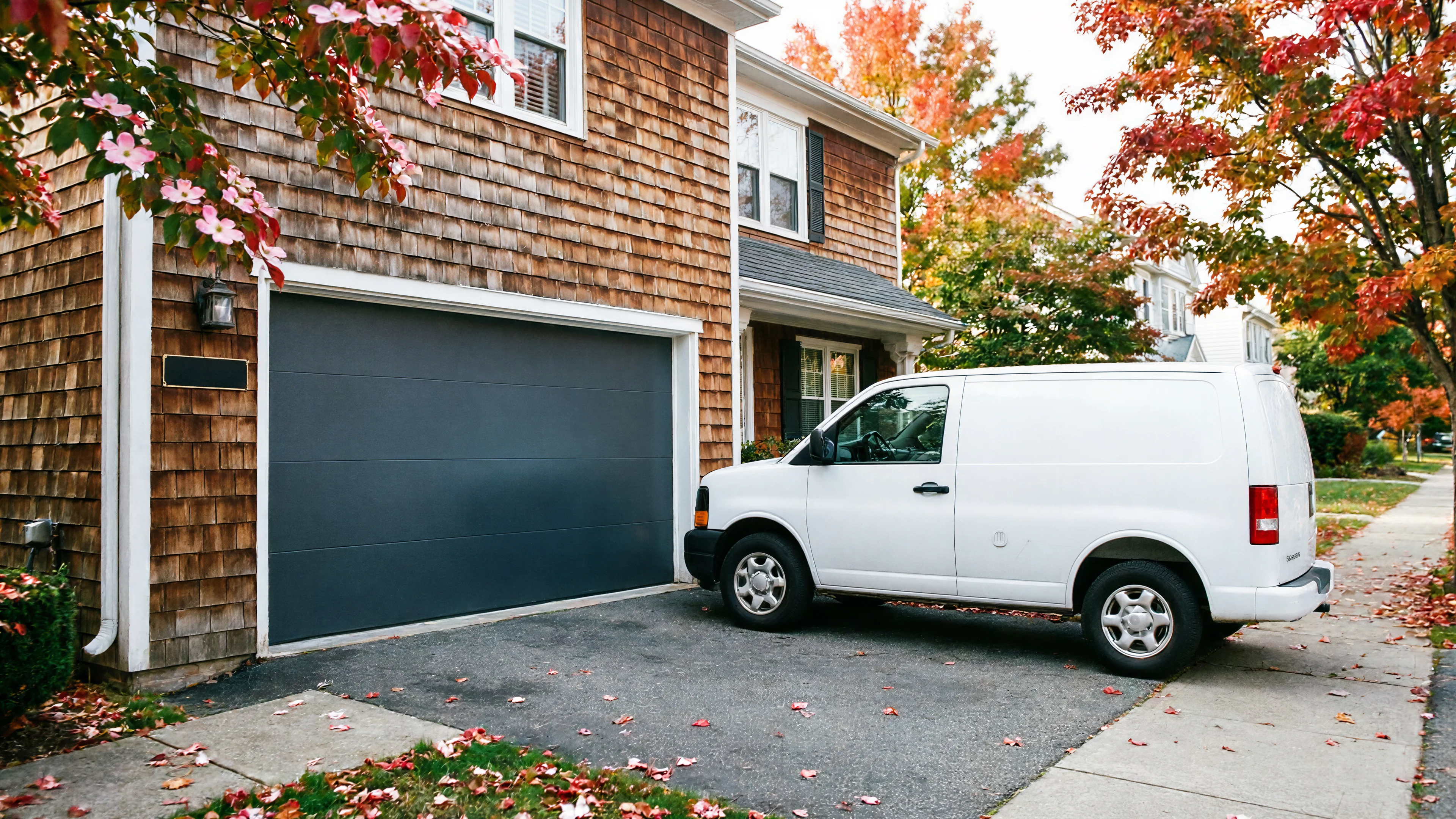
A white van is parked in a driveway next to a house with a dark gray garage door.

Questions

Common questions

Why does my garage door only break in winter?

Cold makes old steel hardware stiffer and less forgiving. A spring from the 1960s era has been through decades of freeze-thaw cycling, and that fatigue tends to show up on the coldest mornings, when the metal has the least flex left in it.

Do you have a branch in Progress?

No. We work out of Harrisburg, about 3 miles away, and travel to Progress for calls. There's no local depot, but the distance is short enough that it rarely adds meaningful time to a same-day visit.

Is it worth repairing a door this old?

Depends what's broken. A frayed cable or bad roller on an otherwise sound door is worth fixing. A cracked single-layer panel paired with a stretched spring often means the next failure is close behind, and that's when we'll say so plainly.

Explore more

More Services in Progress

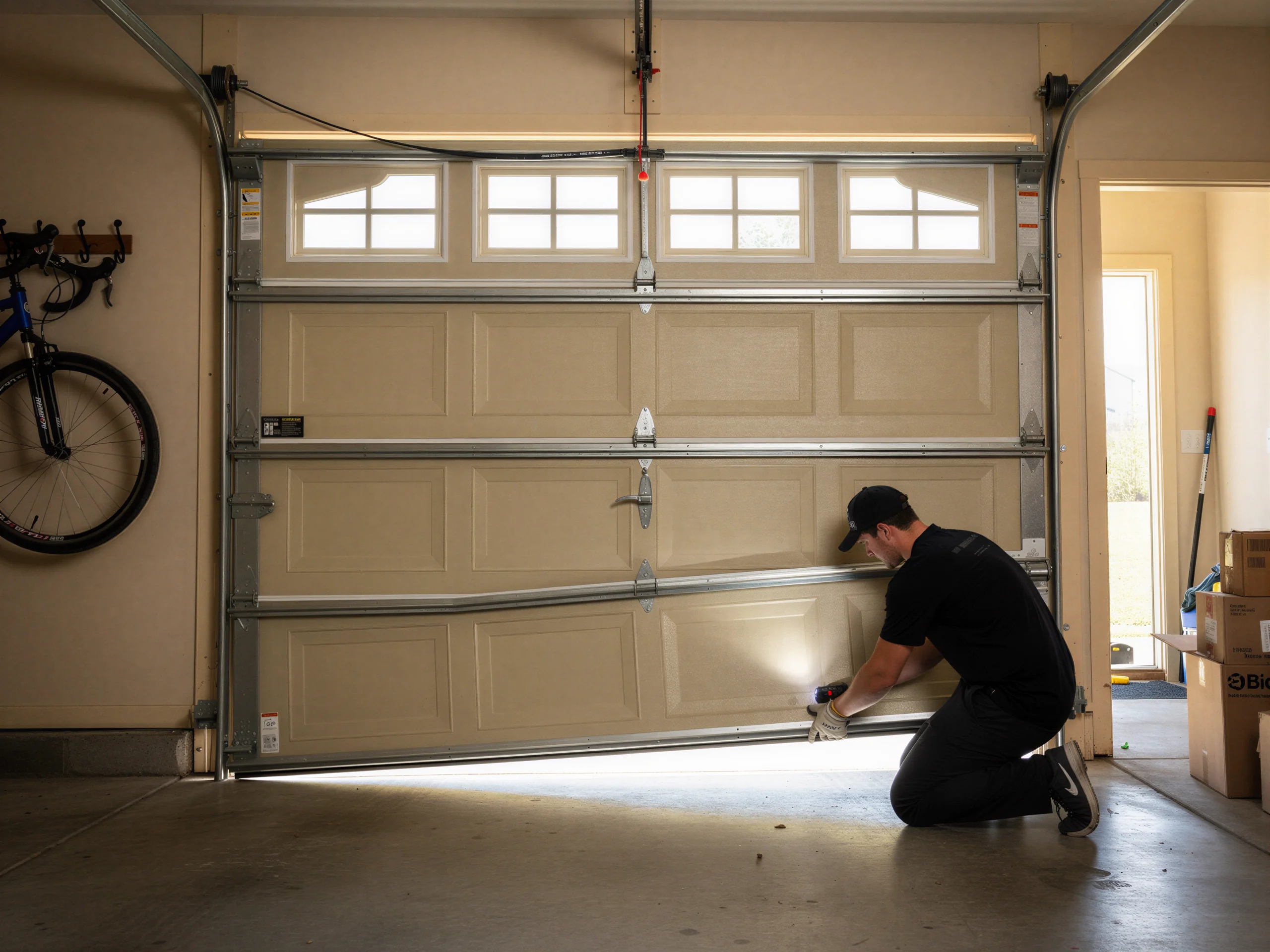
A technician kneels, inspecting a damaged beige garage door with a flashlight.

Garage Door Repair

Progress homes built around 1960 run original torsion hardware that wasn't built for Harrisburg-area winters. Learn more →
A technician wearing gloves adjusts the top panel of a white garage door.

Garage Door Service

Progress homes went up around 1960, which means a lot of original torsion hardware still hanging on. Learn more →
A technician wearing gloves adjusts the top panel of a white garage door.

Maintenance

Progress sits 3 miles from Harrisburg with most houses built around 1960. Learn more →
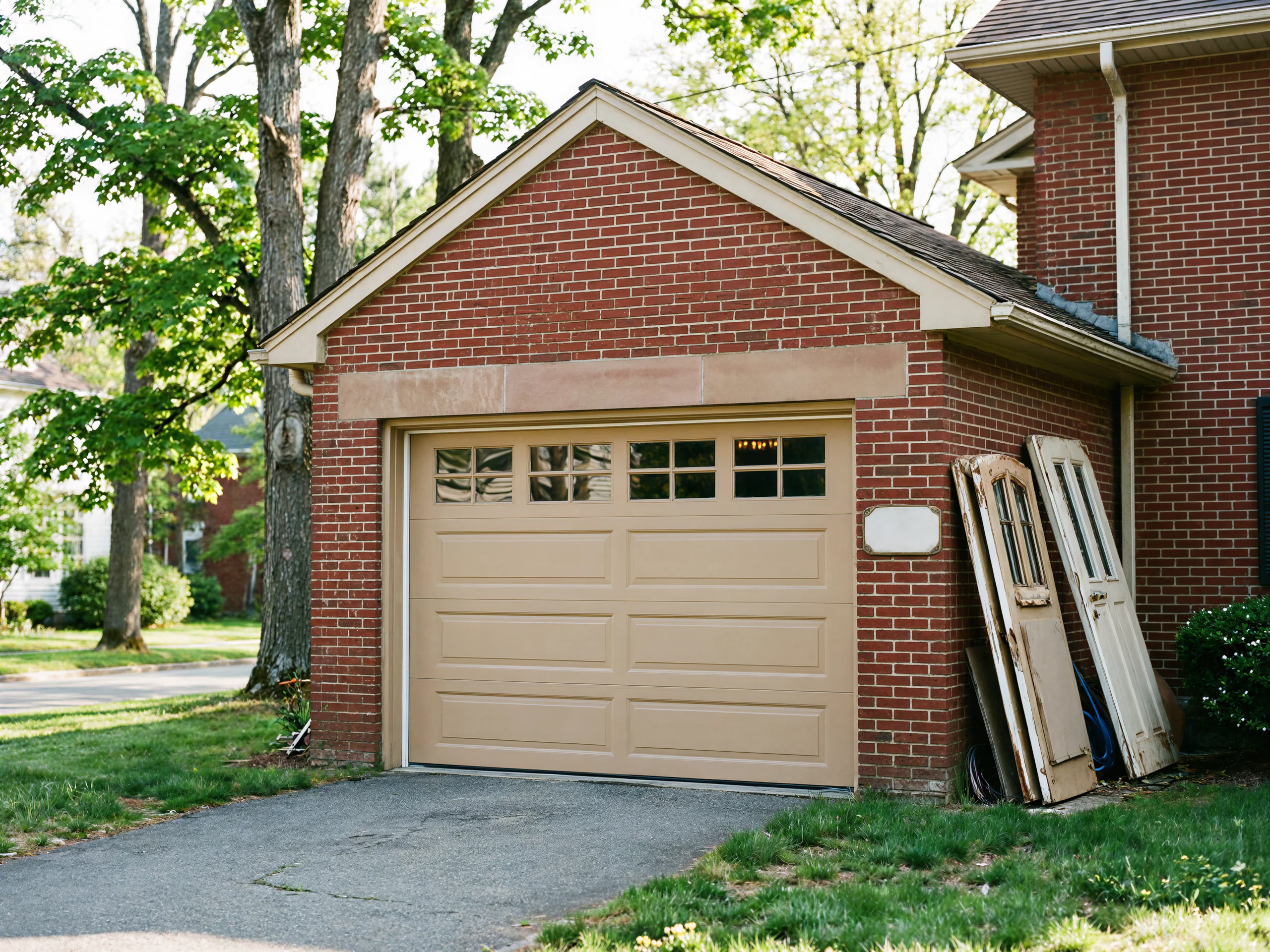
A tan garage door with windows is on a brick garage next to a driveway.

New Door Installation

Progress homes mostly went up around 1960, a decade ahead of the area median - which means narrower openings and single-layer steel that new doors have to work around. Learn more →
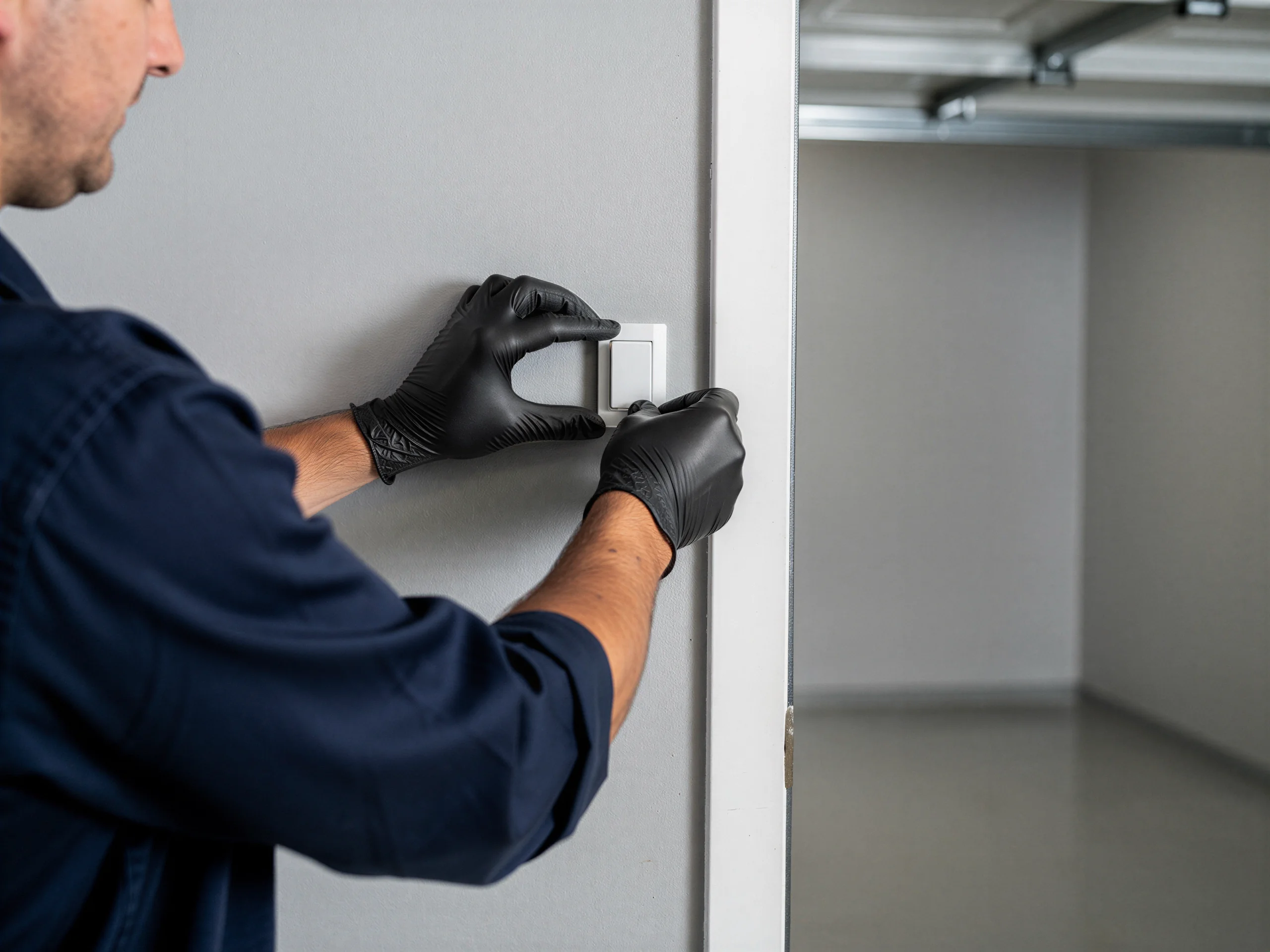
A technician in black gloves installs a white light switch on a gray wall.

Opener Installation

Progress, PA has about 4,649 households and homes built mostly around 1960. Learn more →
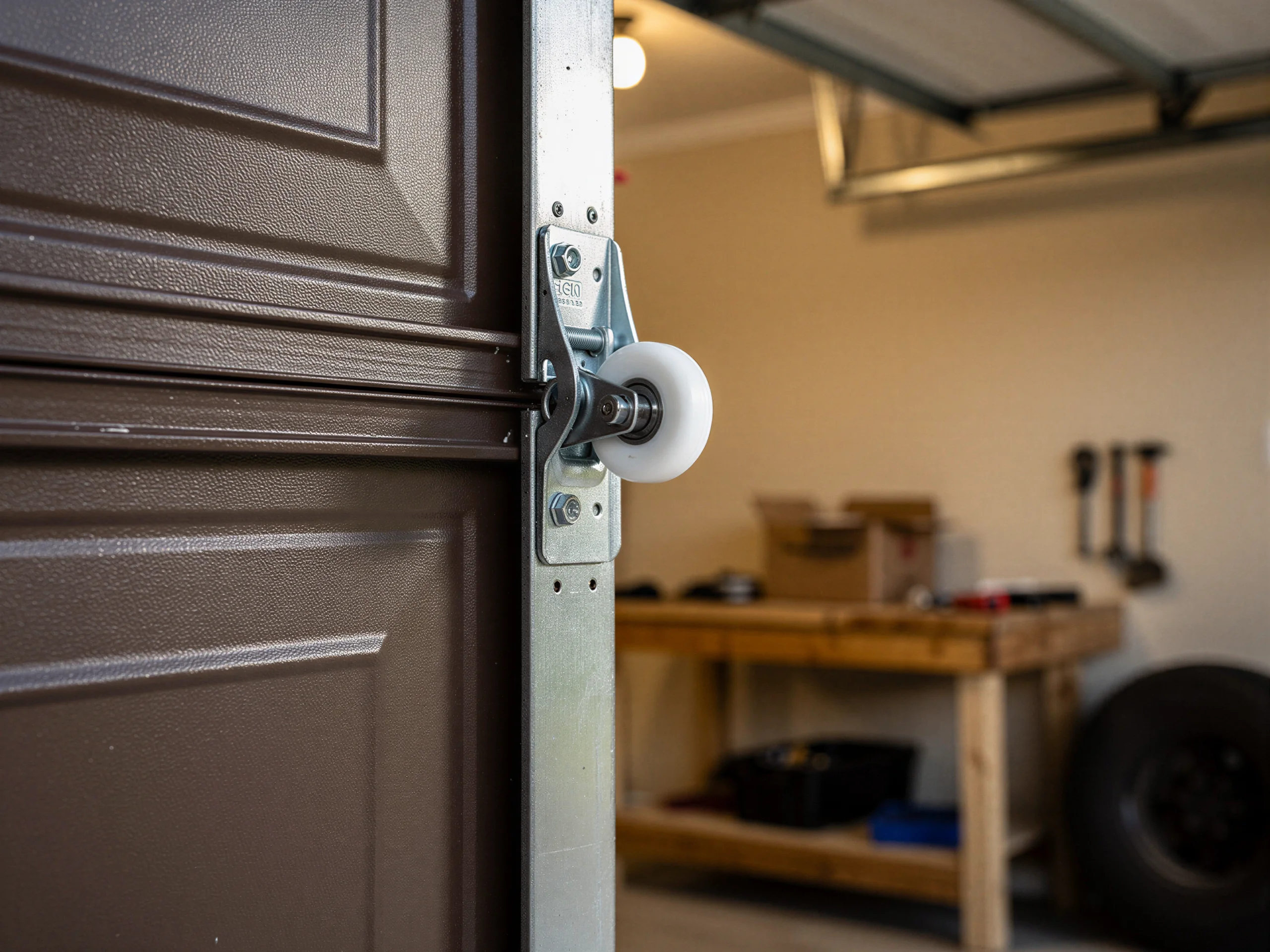
A white roller is attached to a brown garage door.

Roller Replacement

Progress homes run mostly 1960s-era doors with steel rollers near the end of their life. Learn more →
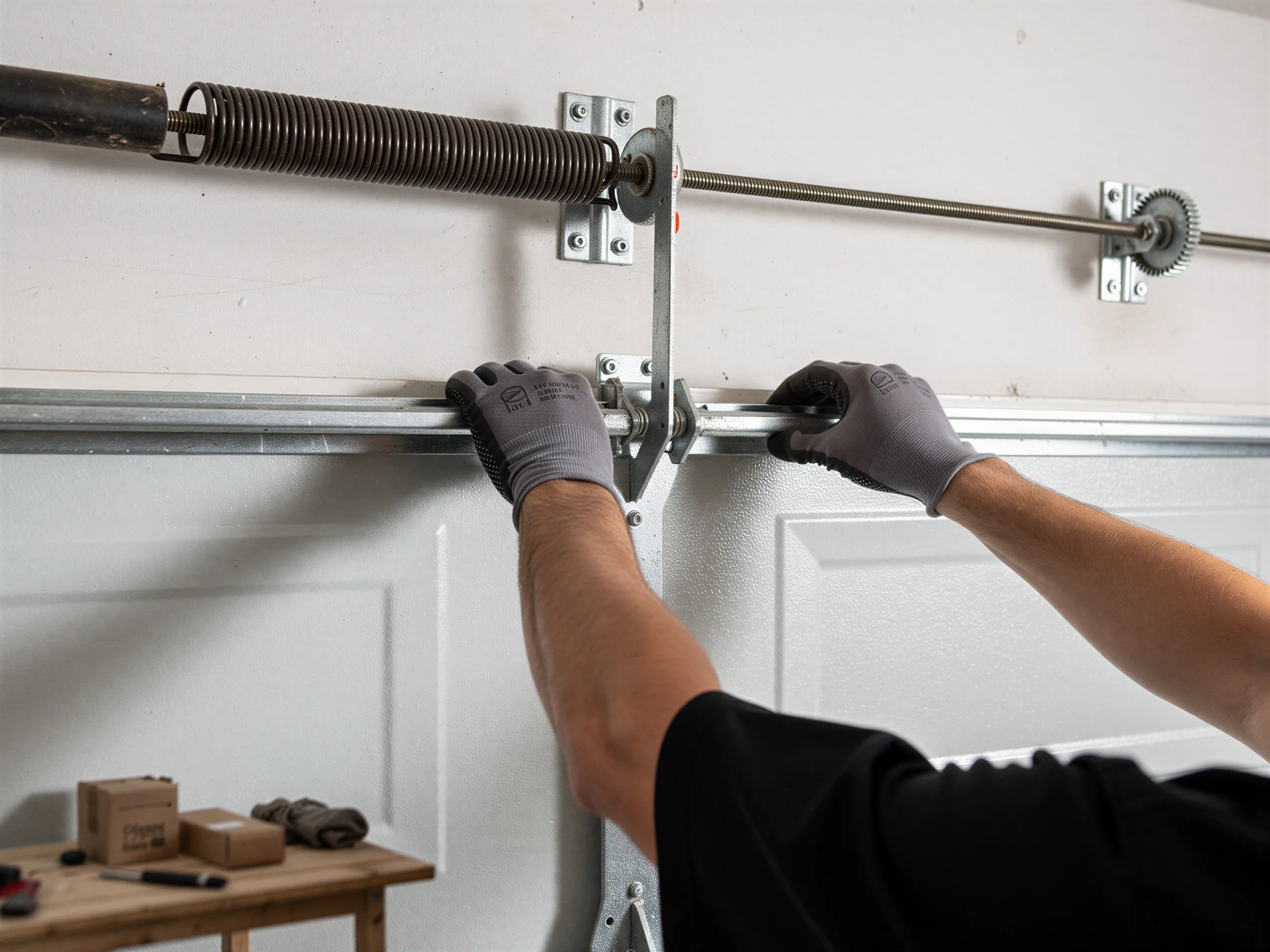
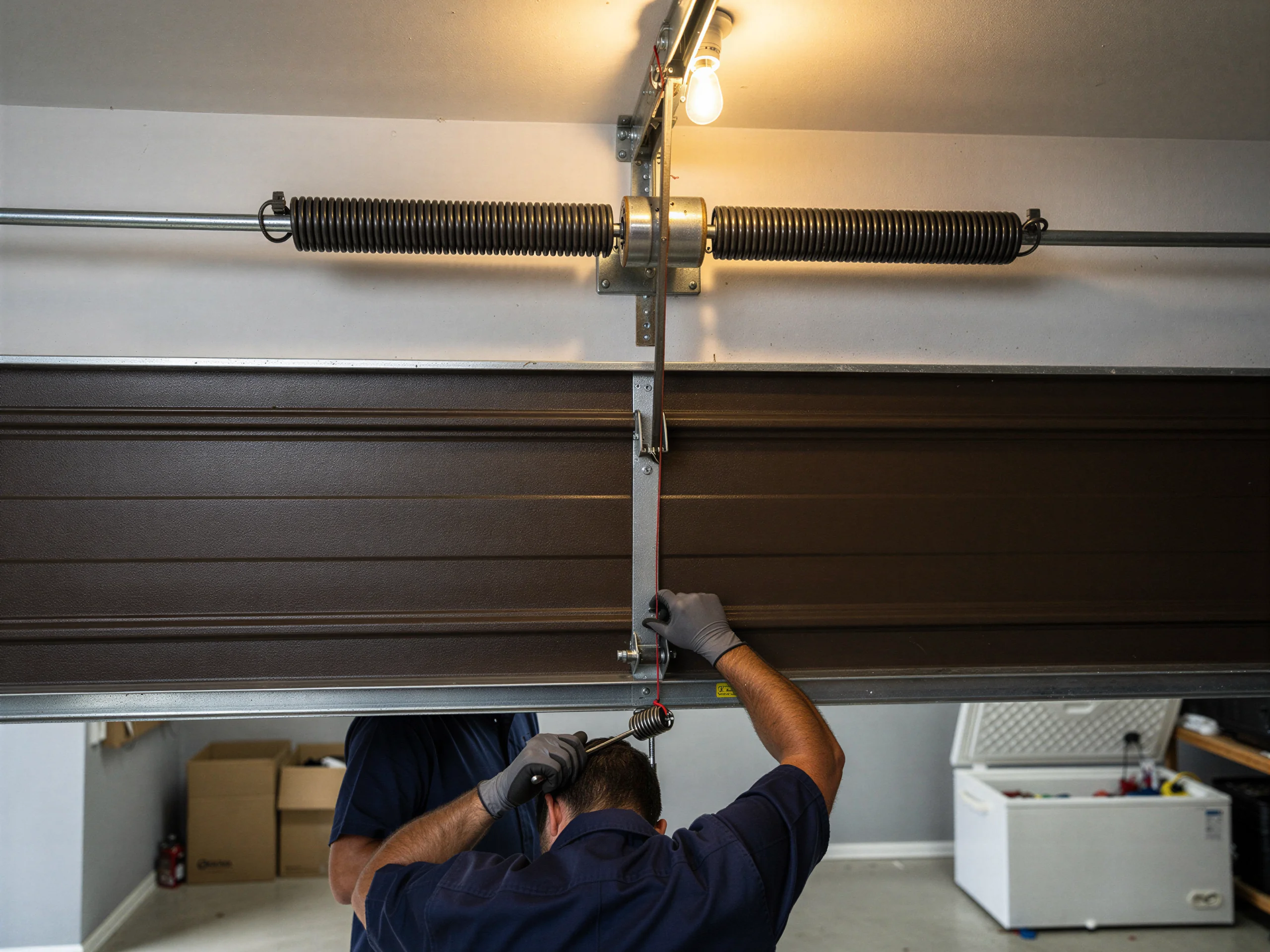
A technician in gray gloves works on a brown garage door with a torsion spring.

Spring Repair

Progress homes went up around 1960, a decade earlier than much of Harrisburg's stock. Learn more →

Ready when you are

Need a garage door sorted in Harrisburg?

Harrisburg Garage Door Pros repairs and installs garage doors, springs and openers in Harrisburg, PA and the surrounding area.

Call NowGet a quote