Fast garage door repair in HarrisburgCall (717) 326-9668

Progress, Harrisburg

Roller Replacement for Progress's 1960s Garage Doors

Progress homes run mostly 1960s-era doors with steel rollers near the end of their life. See what roller replacement costs here and when it beats a full door swap.

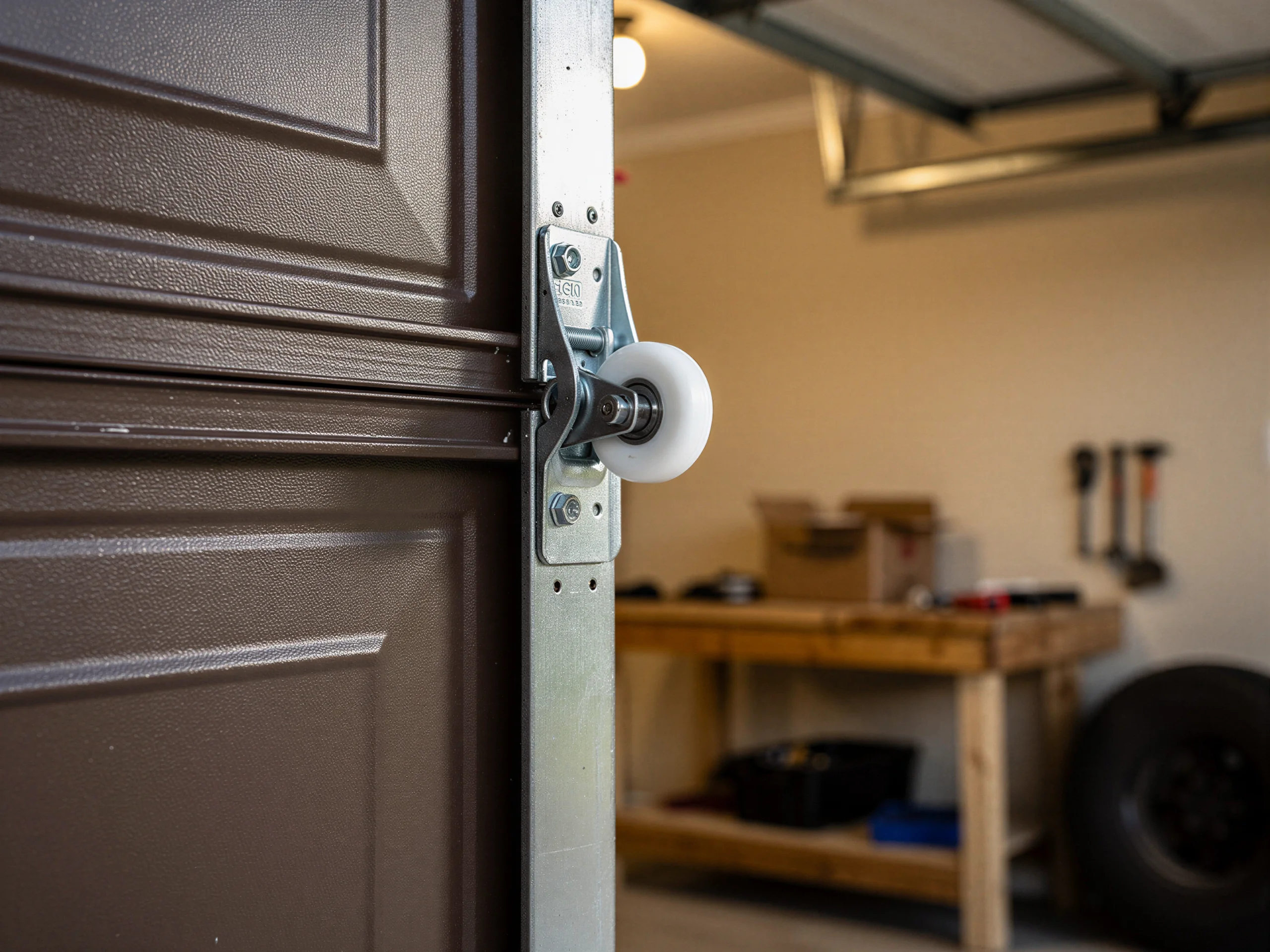
A white roller is attached to a brown garage door.
Serving Harrisburg, PABackground-checked techsHonest, upfront pricingFast local response

Booking

Booking a Visit

We run out of Harrisburg, about 3 miles from Progress, so a truck gets to you without a long drive eating into the appointment. We don't keep a branch or depot in Progress itself - this is a service area we cover, not a town we're based in, so we won't promise a same-day slot just because the distance is short.

  1. Roller job steps

    Call and we'll tell you honestly where you fall in the schedule. Roller jobs are usually straightforward once we're on site: pull the old rollers, check the track for the wear pattern they left behind, and set new ones.

  2. Stripped hinge damage

    If the track itself is bent or the hinges are stripped out from years of steel rollers grinding against misaligned rail, we'll tell you that before we start, not after.

  3. Door make and age

    Bring us the make and age of the door if you know it - on houses from Progress's build era, that tells us a lot about what hardware we're dealing with before we even open the truck. We work from Harrisburg, and you can see the areas we reach from there on our service area page.

Warning signs

What You Are Seeing

Progress's housing stock centers on a median build year of 1960, which puts most doors squarely in the era F2 covers across the region's named areas: 1960s-70s steel track, steel roller, often no insulation in the panel at all.

Groove worn into steel

Steel rollers on steel track were standard then, and after sixty-some years of use, the steel has usually worn a groove into itself. You'll hear it before you see it - a grinding or clunking as the door travels, worse at the top or bottom of the track where the door changes speed.

Flat spot rollers

Cracked rollers, flat spots worn into the wheel, and bent stems are the usual finds on a door this age. Nylon rollers run quieter and don't need the oiling that steel does, which is part of why most replacements now go that direction instead of swapping steel for steel.

Uneven track wear

If the track itself has worn unevenly to match the old rollers, new rollers alone won't fix the noise - the track needs attention too, and we'll flag that rather than sell you a part that won't solve the problem.

Pricing

What It Costs

Progress's median household income sits at $75,362, and that number is where the repair-or-replace line usually falls. A full set of roller replacements is a maintenance-level repair - it fits inside what most owners here budget for routine upkeep on a house, not a major expense.

Roller symptom escalation

Where the math changes is when the rollers are a symptom of a bigger problem: a track bent beyond straightening, hinges stripped past reuse, or a panel original to a 1960-era door that's cracked or rusted through.

Repair bill creep

At that point you're not comparing roller cost to roller cost anymore - you're comparing a roller-and-track repair bill to the cost of a new door, and on an aging panel, the repair bill can creep close enough to replacement that replacement is the better use of the money.

Both numbers upfront

We'll give you both numbers before we start work, not after we've already got the old rollers off. One honest limit: we don't stock every roller size on the truck for every opener brand, so if your door takes an uncommon part, there can be a short wait on it.

Local causes

Why This Fails Locally

Progress sits inside F3's severe cold climate band, and steel rollers that have gone dry over the years don't fail gently in that kind of winter. The grease inside the roller bearing stiffens in the cold, the steel contracts slightly, and a roller that was merely noisy in October can seize or crack outright on a sub-freezing morning - usually the first time you try to open the door after a cold snap.

With most of Progress's 4,649 households sitting in that same 1960-era hardware window, this isn't a one-off problem on one house. It's a pattern tied to the age of the housing stock itself: the steel roller and track combination that was fine in 1960 is now sixty-plus years into a service life that nylon rollers and better track lubrication were built to avoid. The fix isn't exotic - it's swapping worn steel for nylon and checking the track it rides in - but doing it before a cold morning forces the issue is cheaper than doing it after.
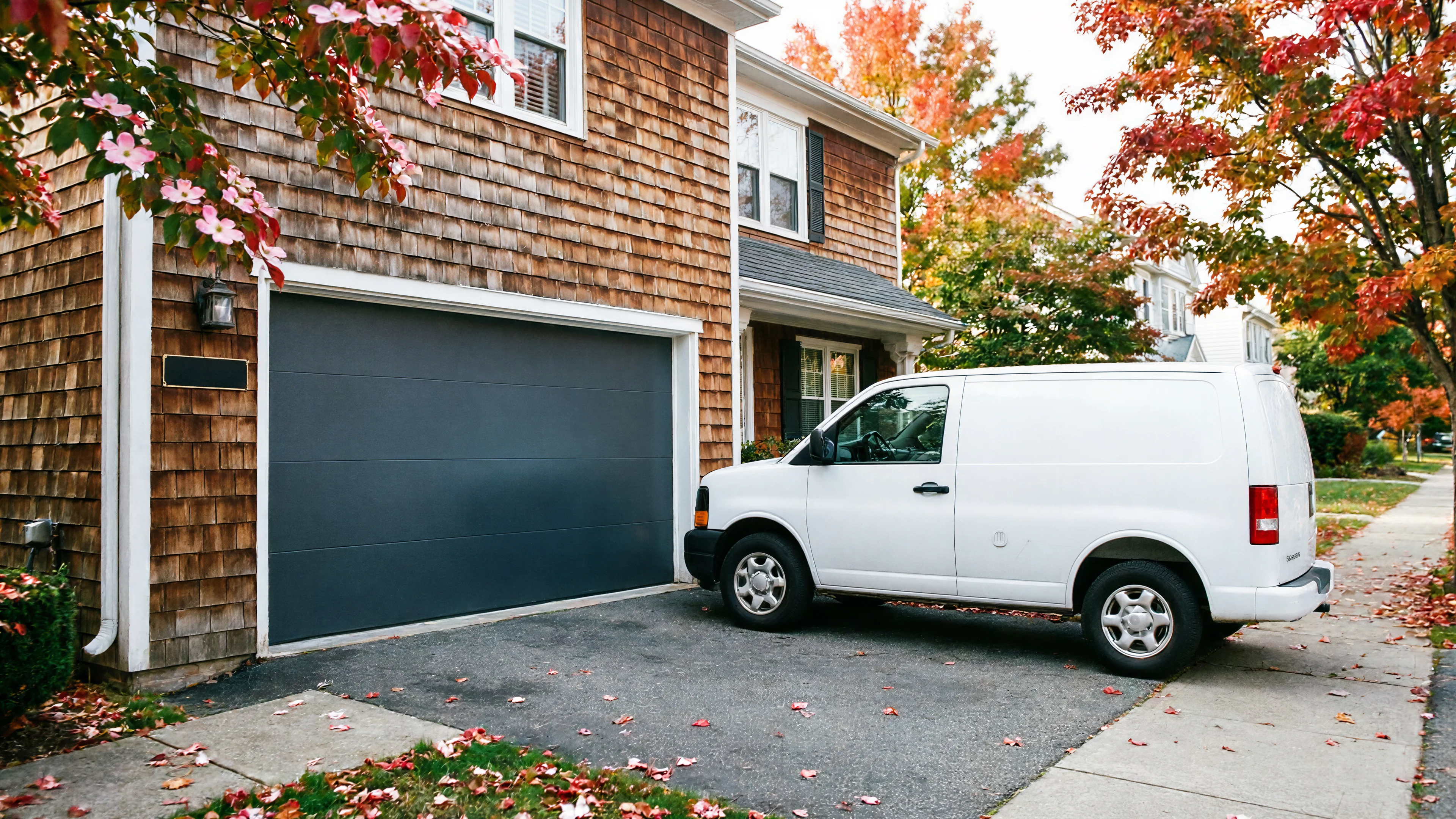
A white van is parked in a driveway next to a house with a dark gray garage door.

Questions

Common questions

Why do my rollers sound worse in winter?

Steel rollers lose their grease consistency in cold weather and the metal itself contracts slightly, so a roller that was already worn makes more noise - or seizes - once temperatures drop. Progress sits in a severe cold climate band, so this shows up most on older steel-roller doors from the 1960s-era housing stock common here.

Do you carry nylon rollers on the truck?

We carry common sizes, but not every roller fits every opener and track combination, especially on older doors. If your door uses an uncommon part we may need to order it, and we'll tell you that up front rather than after the job starts.

Is it worth replacing rollers on a 1960s door, or should I replace the whole door?

If the track and panel are still sound, roller replacement alone usually solves the noise and binding. It's only worth looking at full replacement when the track is bent beyond straightening or the panel itself is cracked or rusted - at that point the repair bill starts closing in on a new door's cost.

Explore more

More Services in Progress

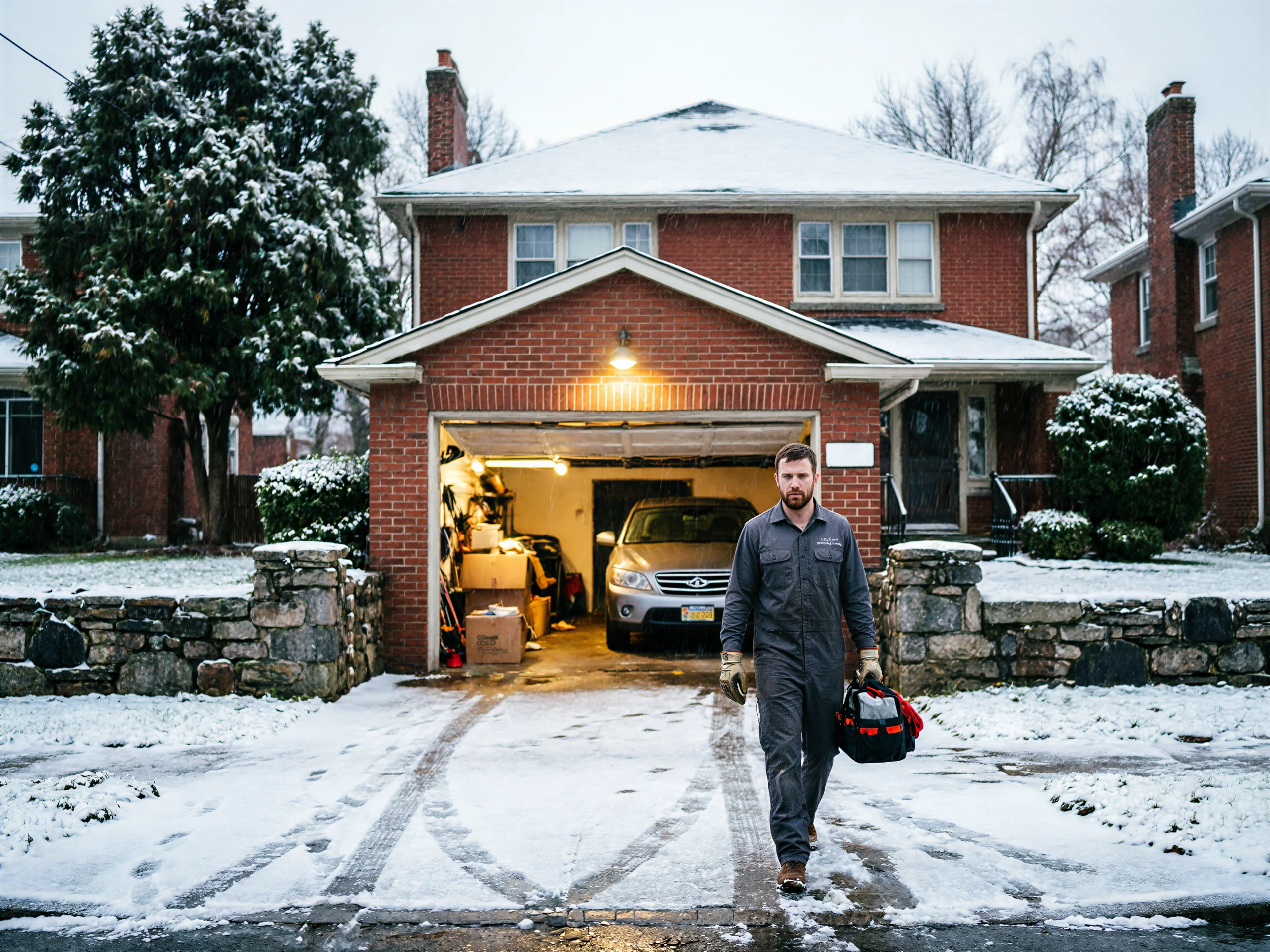
A technician walks away from a house with an open garage on a snowy day.

Emergency Garage Door

Progress homes went up mostly around 1960, which means original extension-spring hardware fighting severe cold. Learn more →
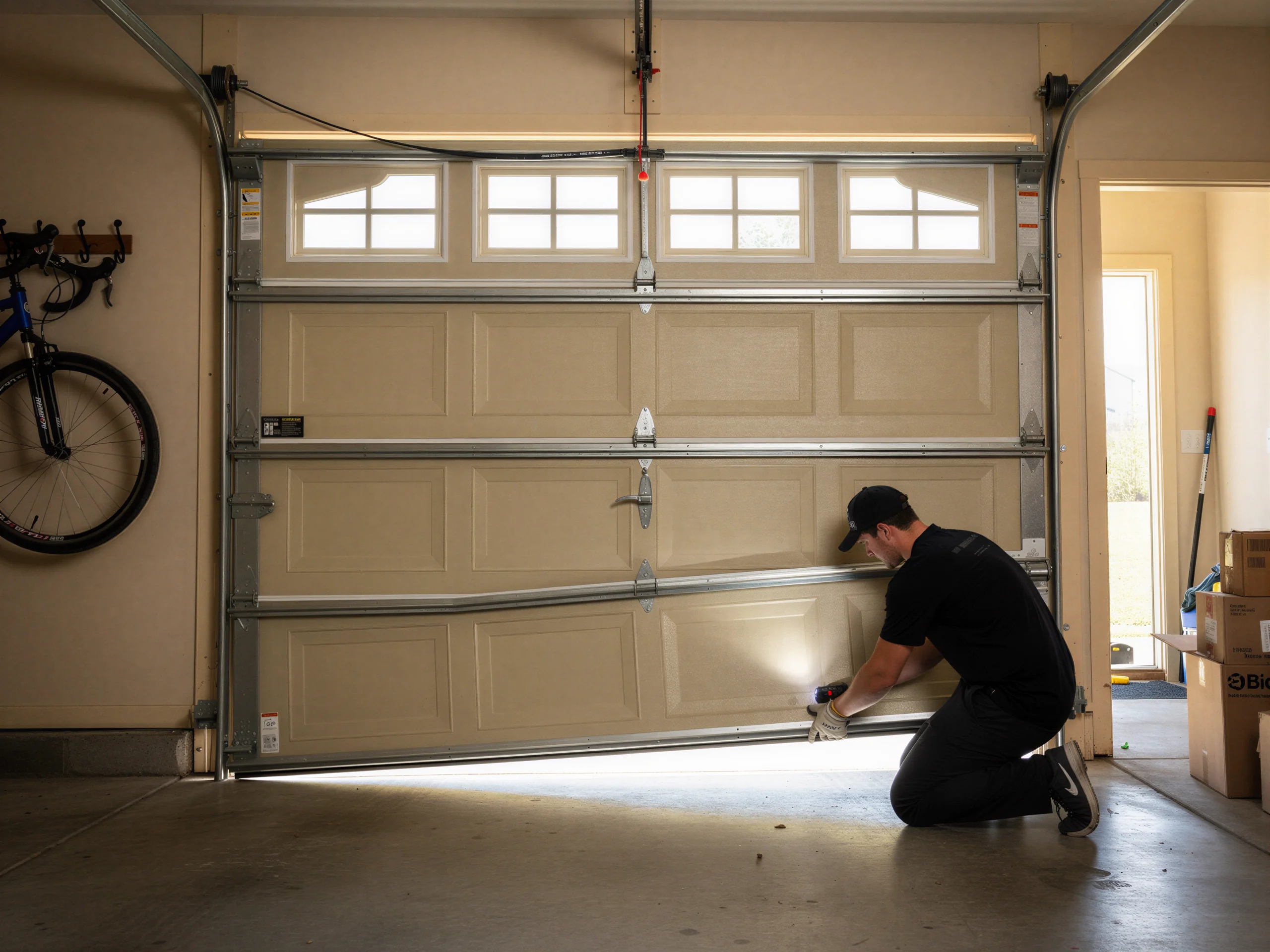
A technician kneels, inspecting a damaged beige garage door with a flashlight.

Garage Door Repair

Progress homes built around 1960 run original torsion hardware that wasn't built for Harrisburg-area winters. Learn more →
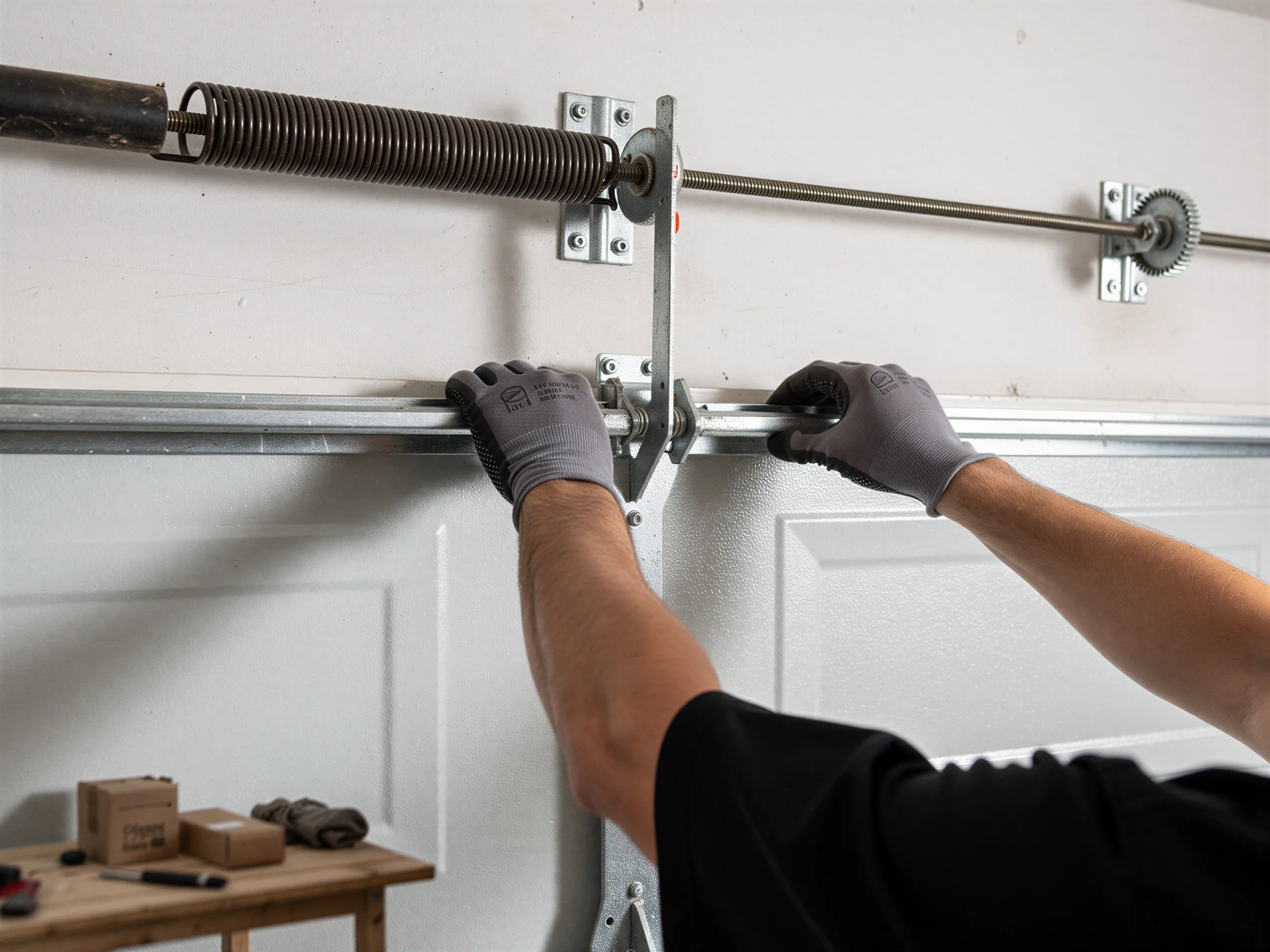
A technician wearing gloves adjusts the top panel of a white garage door.

Garage Door Service

Progress homes went up around 1960, which means a lot of original torsion hardware still hanging on. Learn more →
A technician wearing gloves adjusts the top panel of a white garage door.

Maintenance

Progress sits 3 miles from Harrisburg with most houses built around 1960. Learn more →
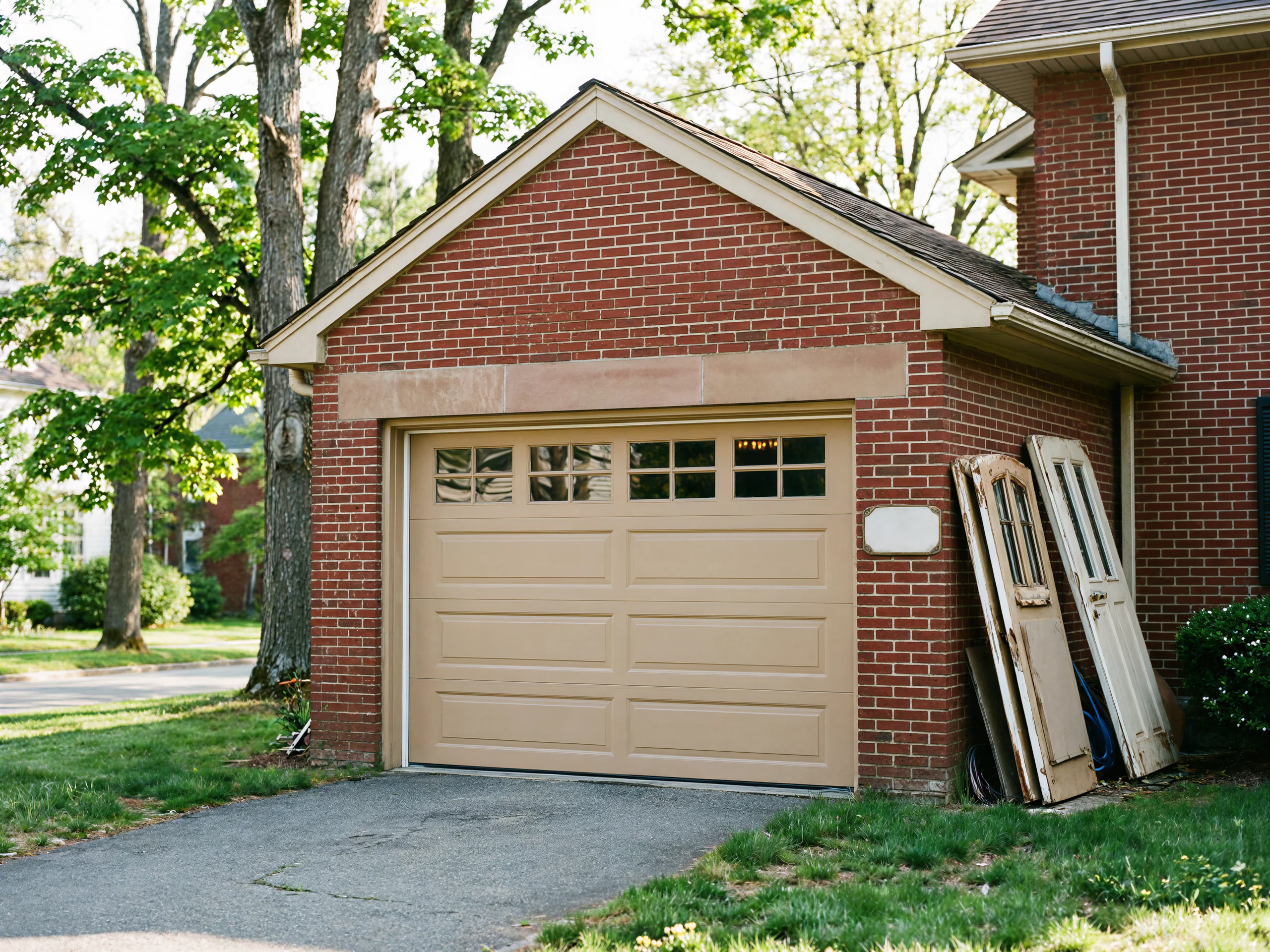
A tan garage door with windows is on a brick garage next to a driveway.

New Door Installation

Progress homes mostly went up around 1960, a decade ahead of the area median - which means narrower openings and single-layer steel that new doors have to work around. Learn more →
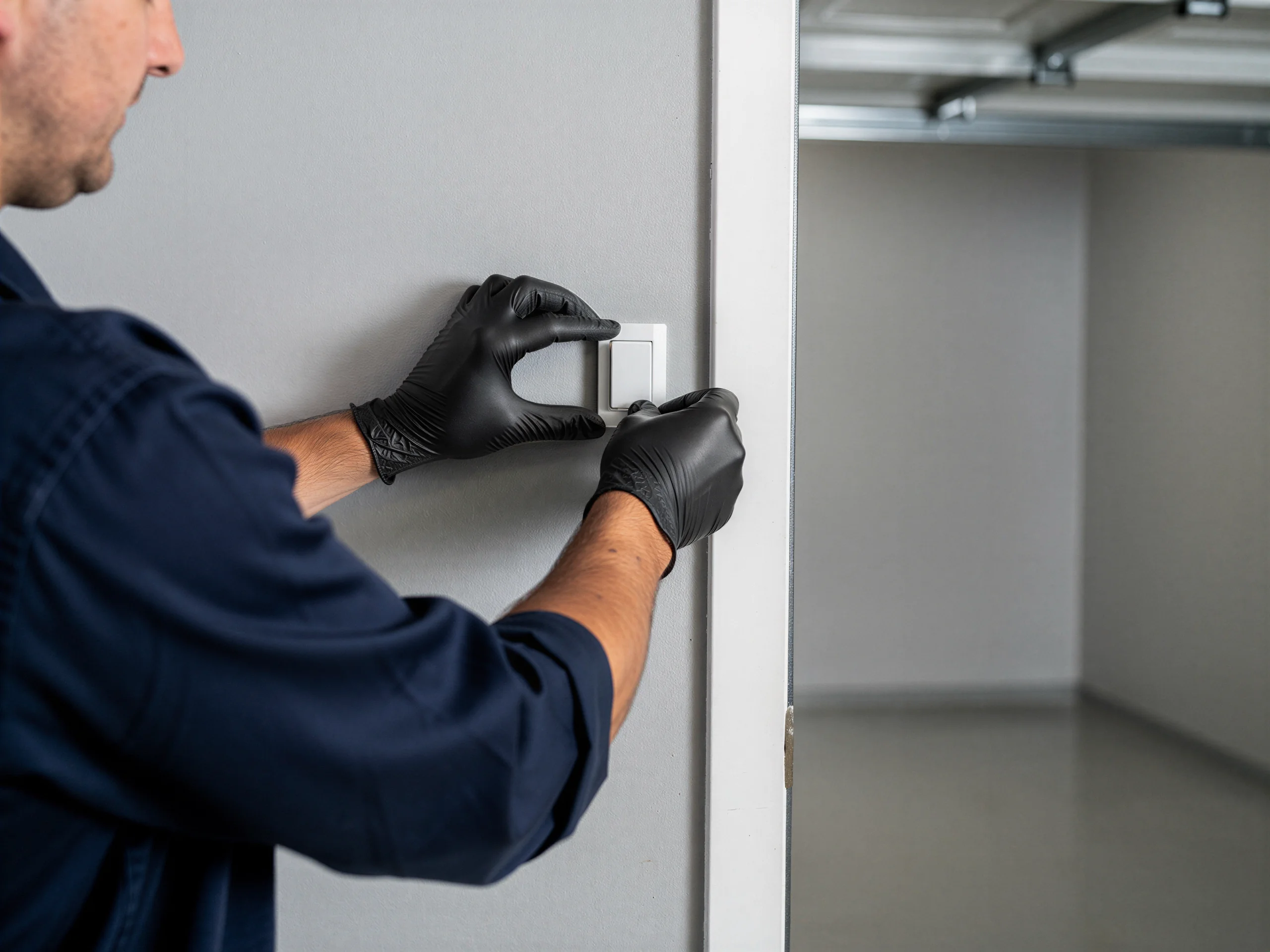
A technician in black gloves installs a white light switch on a gray wall.

Opener Installation

Progress, PA has about 4,649 households and homes built mostly around 1960. Learn more →
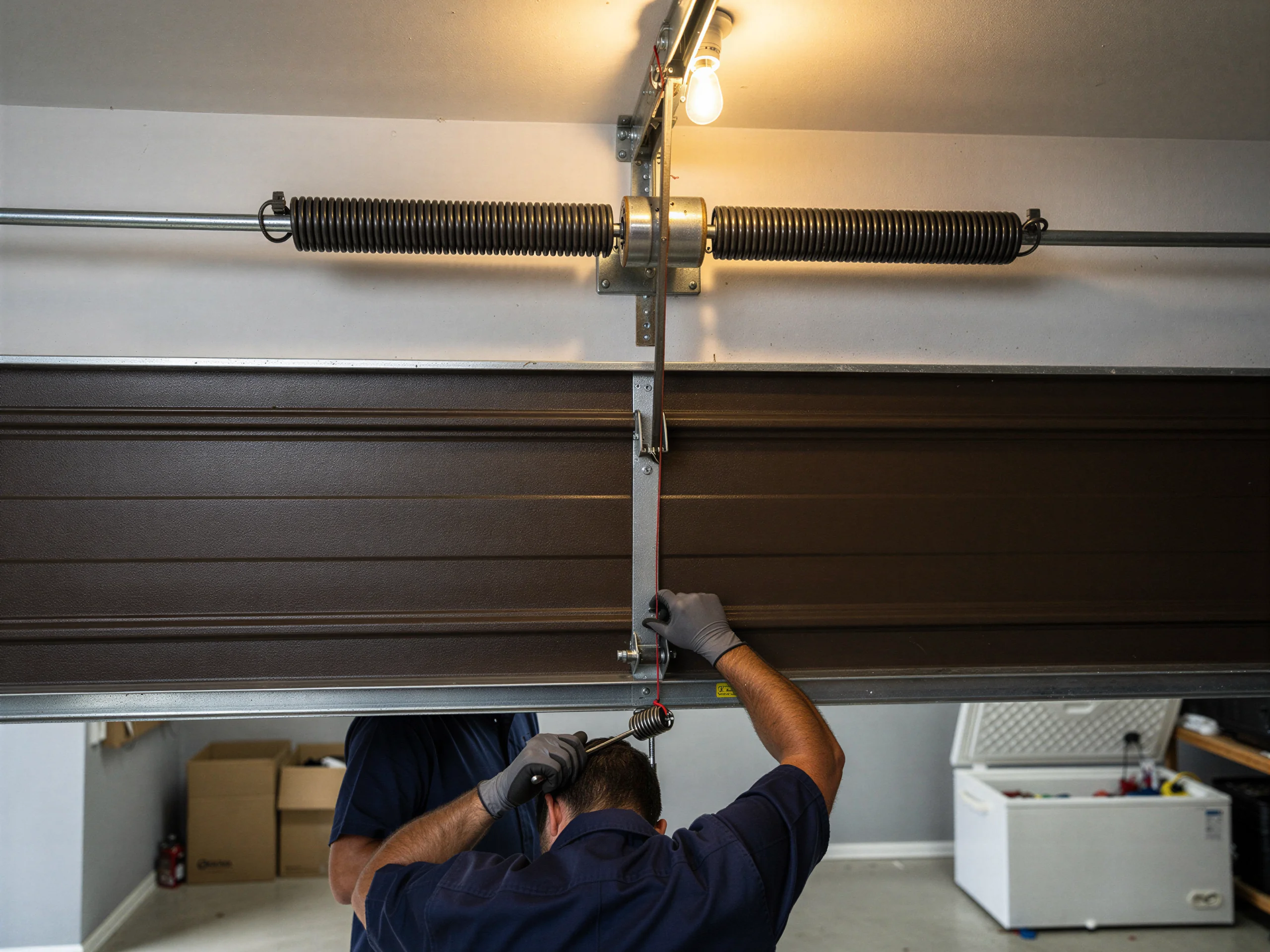
A technician in gray gloves works on a brown garage door with a torsion spring.

Spring Repair

Progress homes went up around 1960, a decade earlier than much of Harrisburg's stock. Learn more →

Ready when you are

Need a garage door sorted in Harrisburg?

Harrisburg Garage Door Pros repairs and installs garage doors, springs and openers in Harrisburg, PA and the surrounding area.

Call NowGet a quote