
Cycle count exhaustion
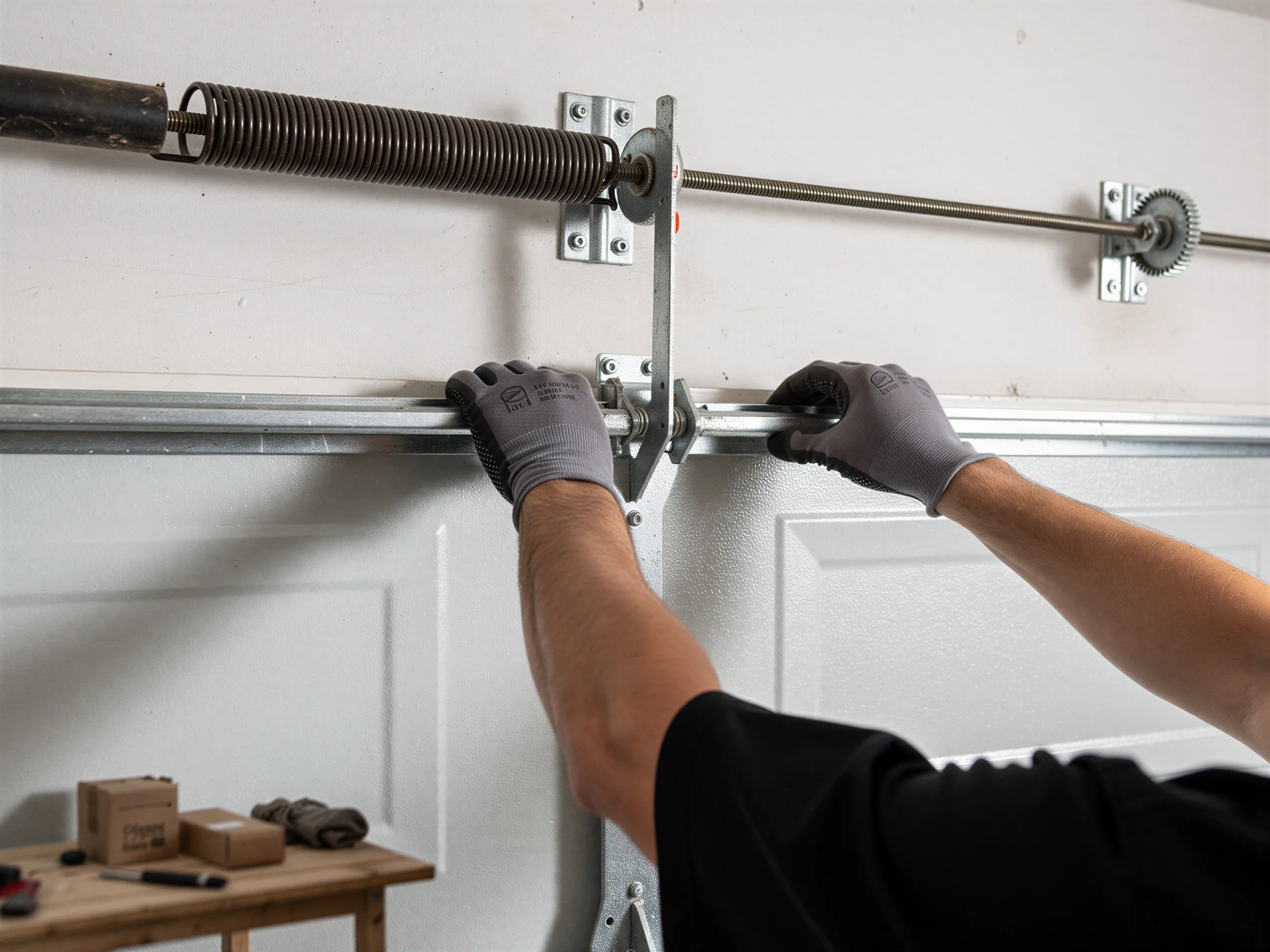
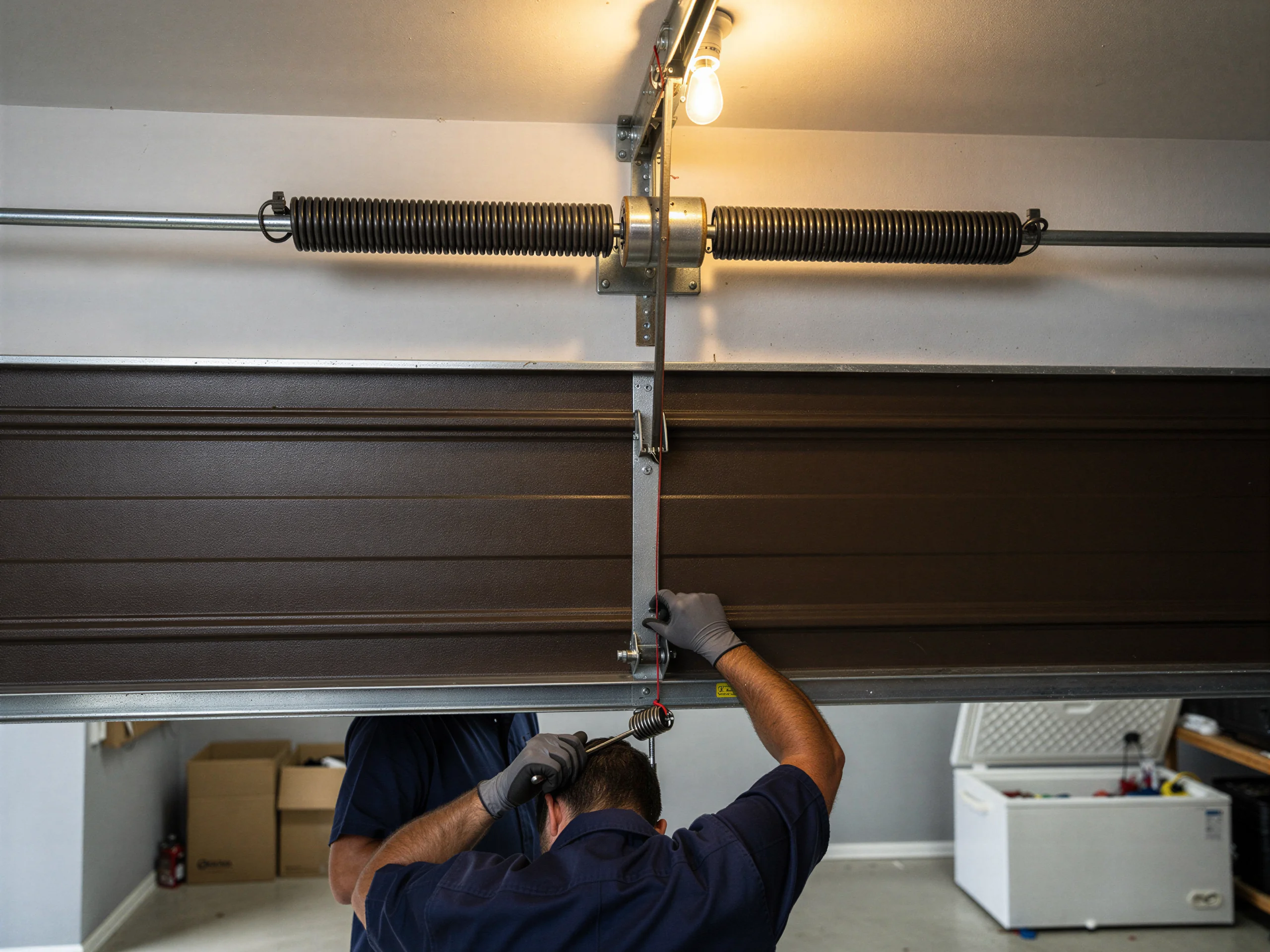
A spring rated for ten thousand cycles in 1960 has usually seen that many open-and-close cycles twice over by now, and it doesn't fail gently - it fails on a cold morning when the steel is stiffest and least willing to flex.
Progress, Harrisburg
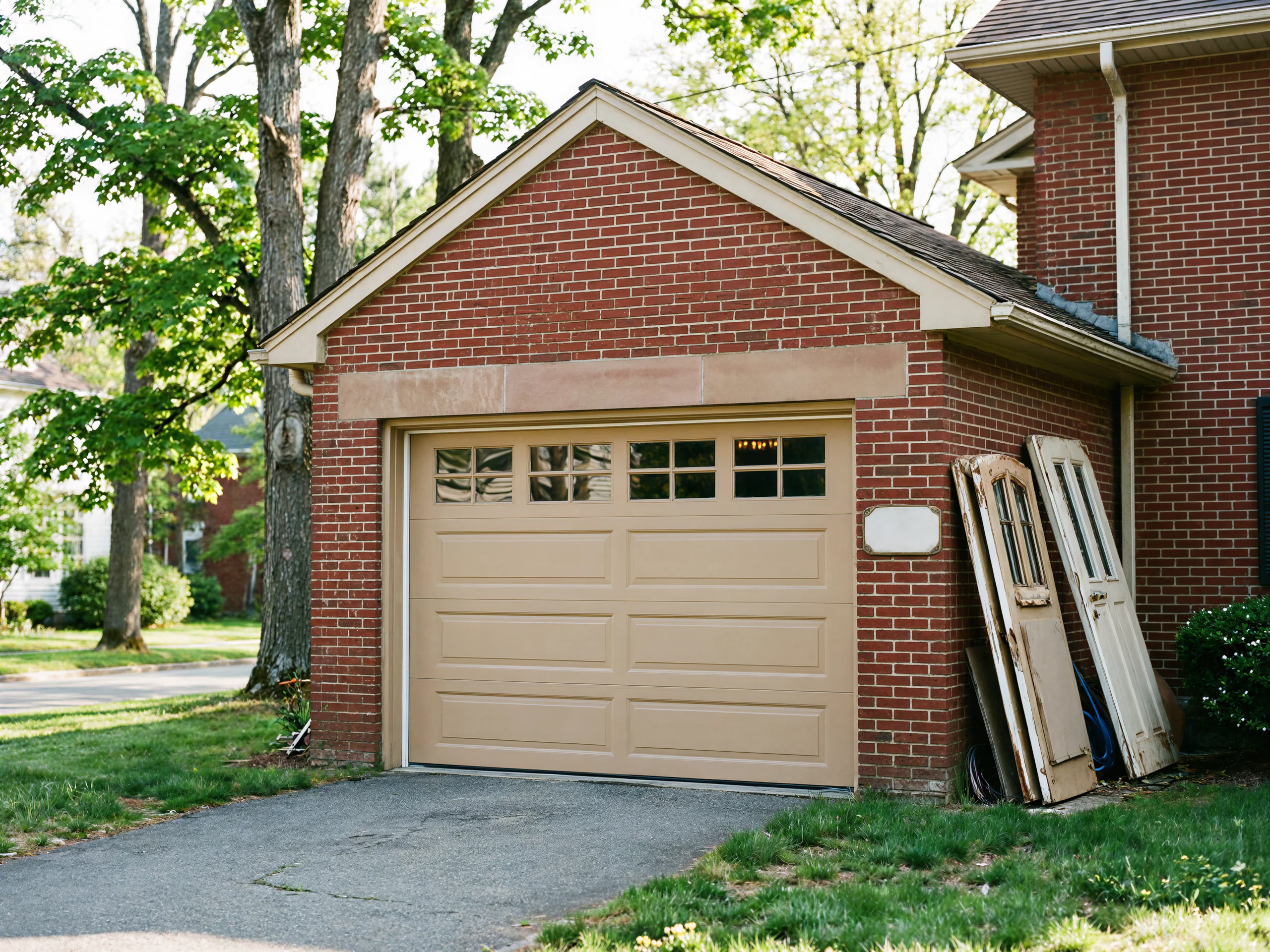
Progress homes built around 1960 run original torsion hardware that wasn't built for Harrisburg-area winters. We travel from Harrisburg to fix springs, openers, and tracks here.
Booking
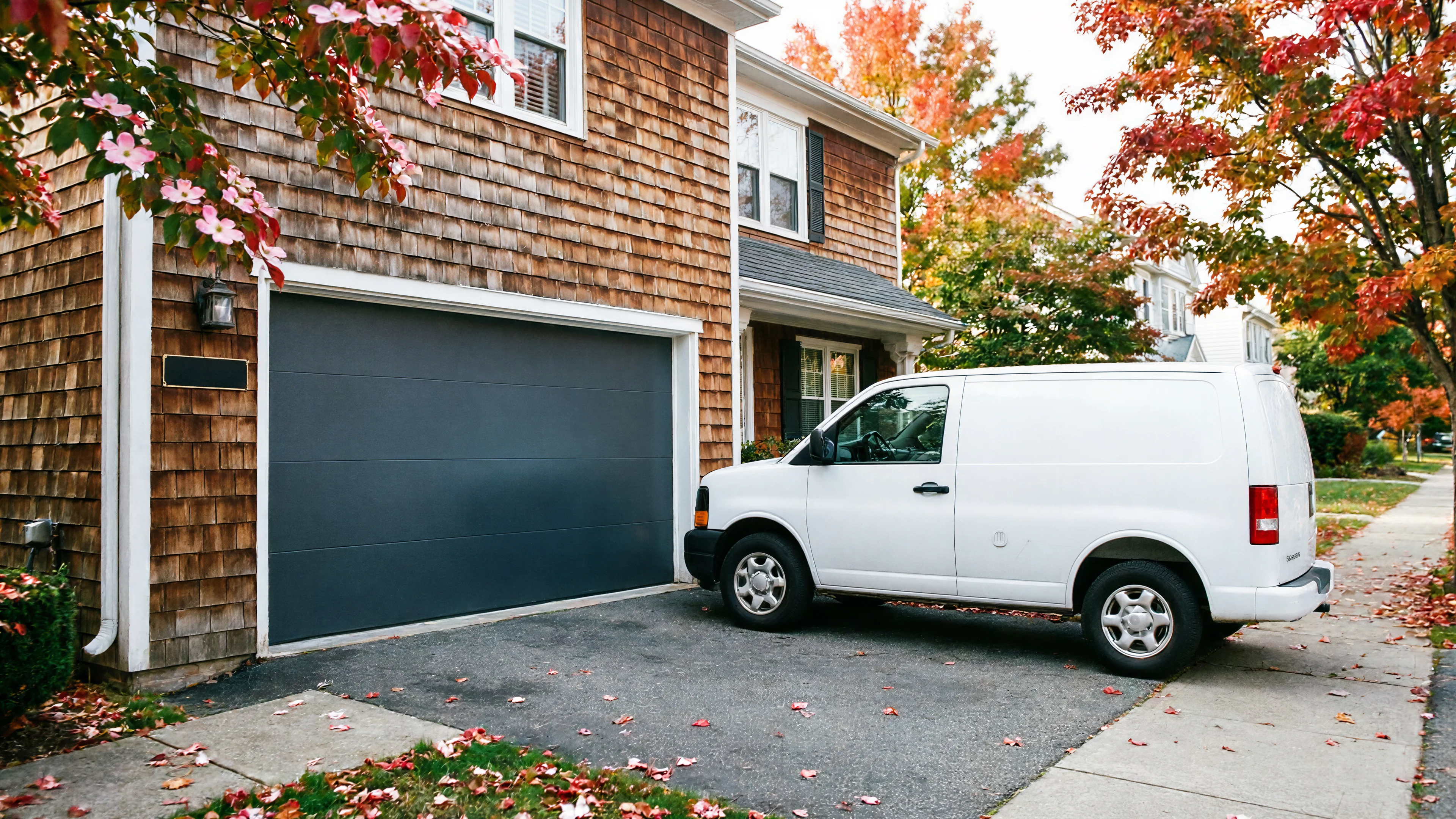
We cover Progress from our base in Harrisburg, about 3 miles out, so there's no branch office here and no separate dispatch - just a truck sent over when you call.
Tell us the age of the house if you know it; for Progress that's usually right around 1960, and that single detail changes what we load on the truck before we leave.
A door from that era often runs different spring sizes and bracket spacing than anything built in the last twenty years, so knowing the build year up front means we show up with the right spring and not a guess.
If you don't know the year, that's fine too - we can tell within a few minutes once we're looking at the track and the spring mount. We book the same way for every house in the area: one visit, one diagnosis, and a price before we touch anything.
Warning signs
Most of what we get called out for in Progress traces back to the same thing: the housing stock here clusters tight around 1960, which puts a lot of doors on original or close-to-original torsion hardware that's now past its rated cycle count.
A spring rated for ten thousand cycles in 1960 has usually seen that many open-and-close cycles twice over by now, and it doesn't fail gently - it fails on a cold morning when the steel is stiffest and least willing to flex.
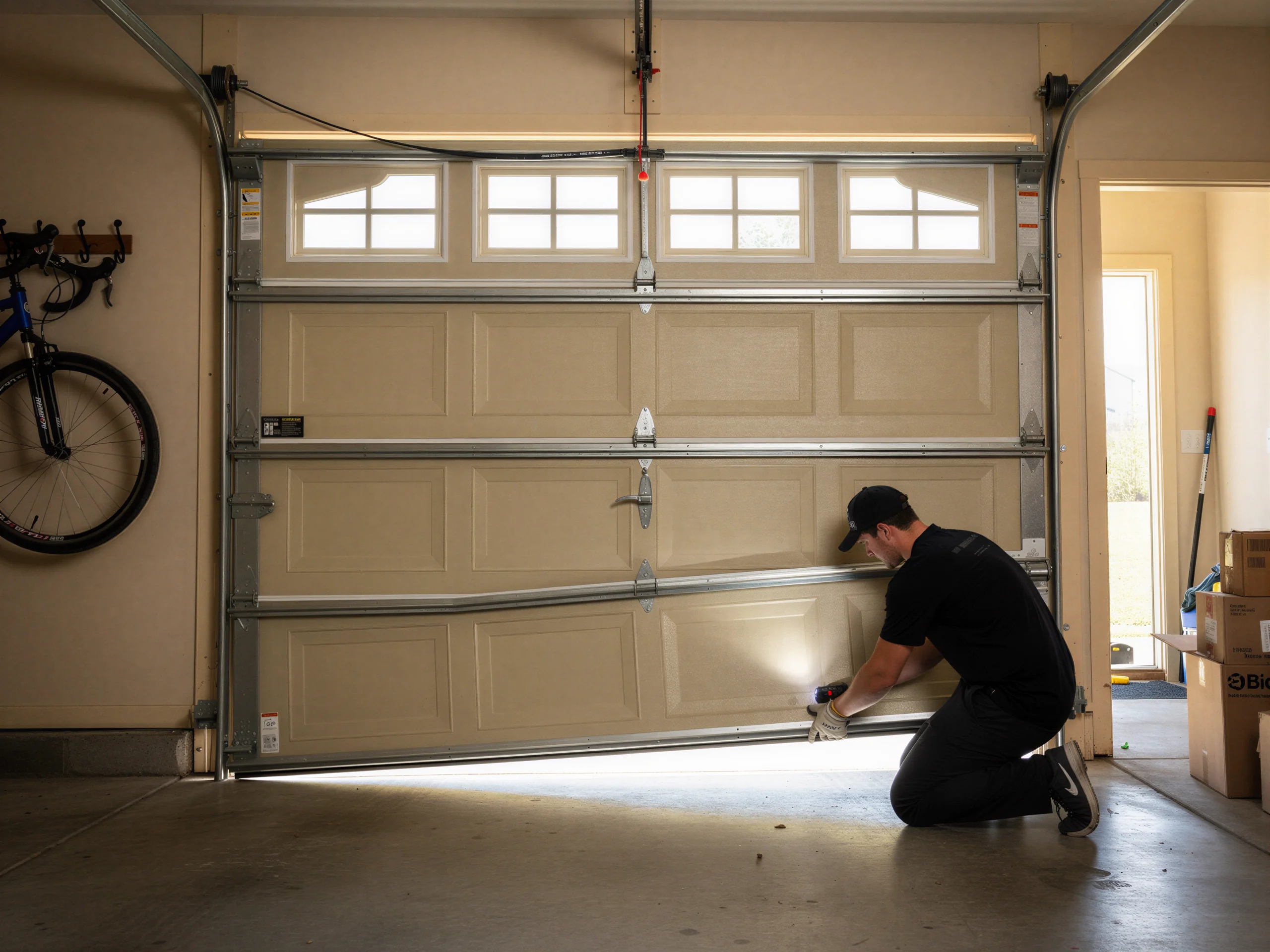
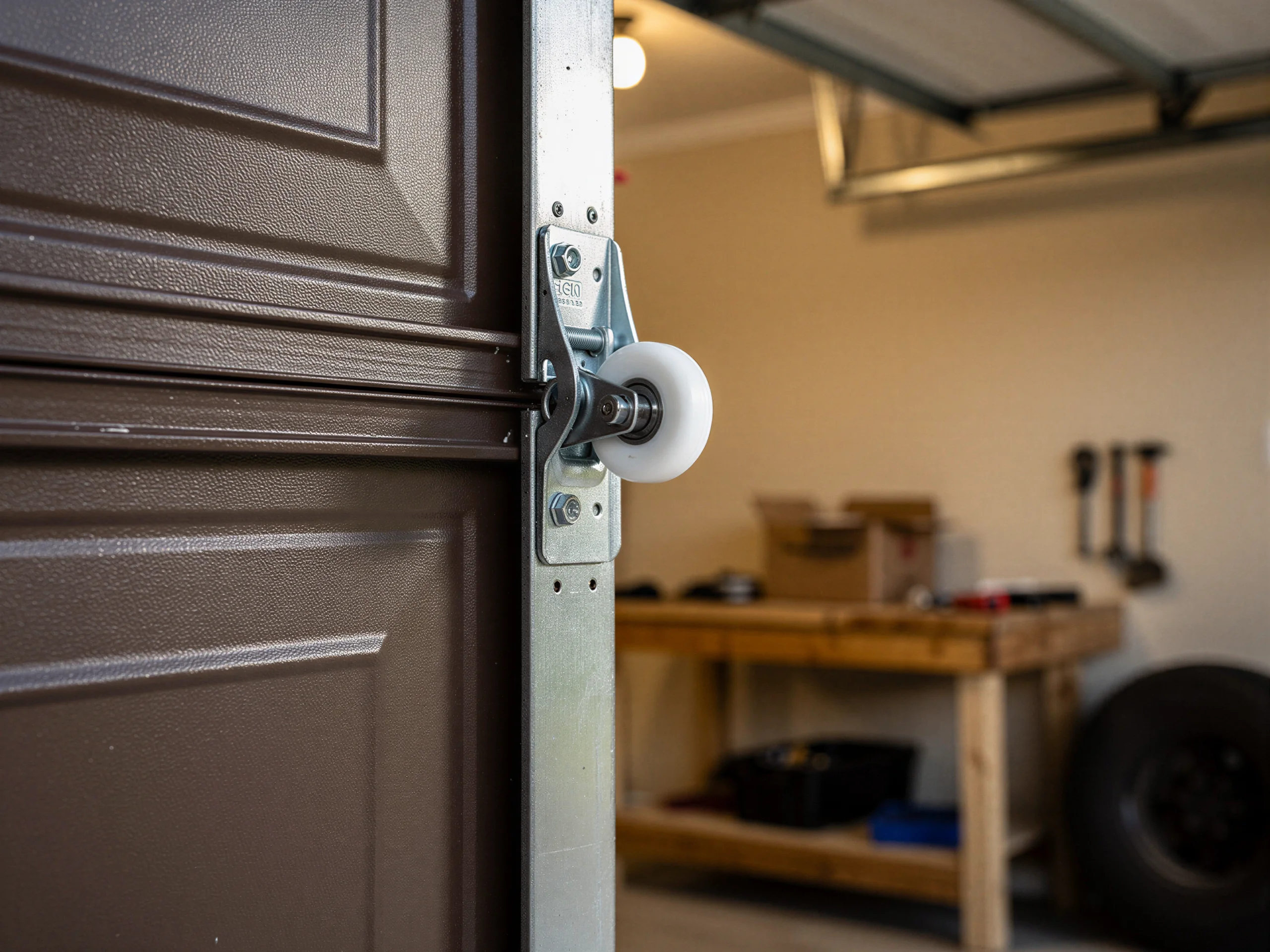
That's the call we see most: a door that won't lift, or lifts crooked, right after a hard freeze. Rollers on these older setups are often steel-on-steel rather than nylon, so you'll also hear a grinding or scraping that wasn't there a year ago - that's wear, not a mystery.
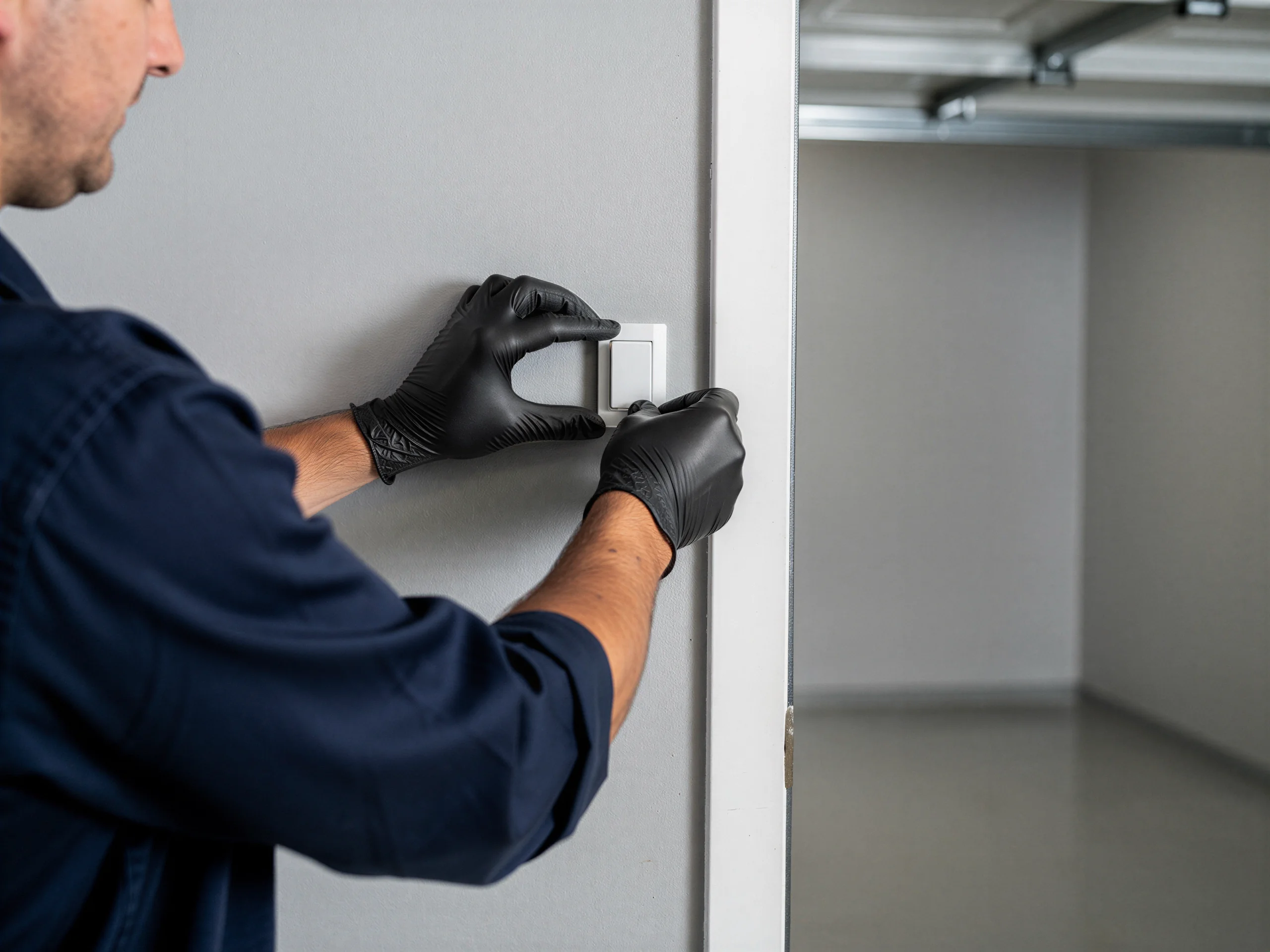
Openers added later, often decades after the original door, sometimes don't match the spring tension at all, which shows up as the opener straining, reversing, or tripping its own safety sensor on the way down. None of this is unique to one house - it's what a 1960-built neighborhood does as the hardware ages out together.
Pricing
We don't have a published price list for Progress specifically, and we're not going to invent one here - cost depends on what's actually broken, the spring size the door needs, and whether the opener is original or a later add-on. What we can tell you is what drives the number up or down: a single torsion spring swap on a door this age is usually the smallest job we do; a full spring-and-cable replacement, or an opener that needs to be rematched to the door's weight, runs more. If a bracket or the track itself has warped from years of a mistensioned spring pulling on it sideways, that adds a part and labor you weren't expecting. We quote the job on site, before any work starts, once we've seen the actual hardware - not over the phone off a guess.
Local causes
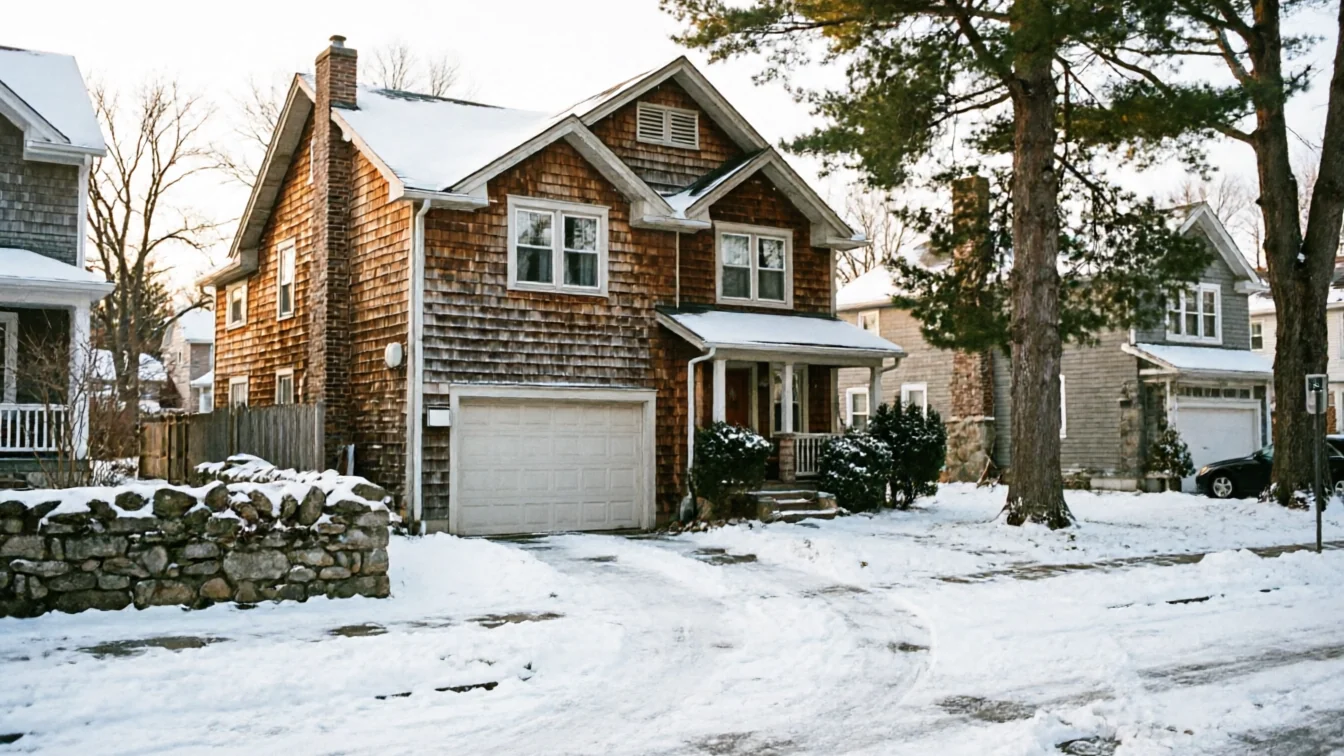
This part of the service area sits inside a cold-weather climate zone, and that matters more here than in newer construction because the spring steel in a 1960-era door has had sixty-plus winters of contraction and expansion to work-harden and weaken. A door built to a modern code spec handles that cycling better; a door built in 1960 wasn't engineered against today's load and wind numbers at all, because those numbers didn't exist yet. Add a household income in this stretch of the area running close to $75,000 - not the kind of budget that supports swapping a door every decade - and what you get is a lot of owners who've kept the original door running with patch repairs for longer than the hardware was ever meant to last. That's not a knock on anyone's maintenance; it's just the math of a neighborhood that was mostly built out in one decade and has been aging as a block ever since. The honest limitation: if the spring has already pulled the track out of alignment or cracked a panel seam, a spring swap alone won't fix it, and we'll tell you when replacement is the cheaper path over the next five years rather than another repair.
Questions
In Progress, most houses went up around 1960, and a lot of them still run the original torsion spring sizing. That steel has been through decades of hard winters, and cold makes it brittle right when it's working hardest to lift the door. Once it's past its cycle life, patch fixes stop holding and the breaks get more frequent.
No. We run out of Harrisburg, about 3 miles away, and send a truck over for every call here. There's no local branch, but the distance is short enough that it doesn't add meaningfully to the job.
Sometimes. On houses from this era, the opener was often added years after the original door, and if the spring tension doesn't match what the opener expects, it'll strain or trip its sensor. We check that match on site before quoting.
Explore more
Ready when you are
Harrisburg Garage Door Pros repairs and installs garage doors, springs and openers in Harrisburg, PA and the surrounding area.