Fast garage door repair in HarrisburgCall (717) 326-9668

Progress, Harrisburg

New Garage Door Installation for Progress, PA Homes

Progress homes mostly went up around 1960, a decade ahead of the area median - which means narrower openings and single-layer steel that new doors have to work around.

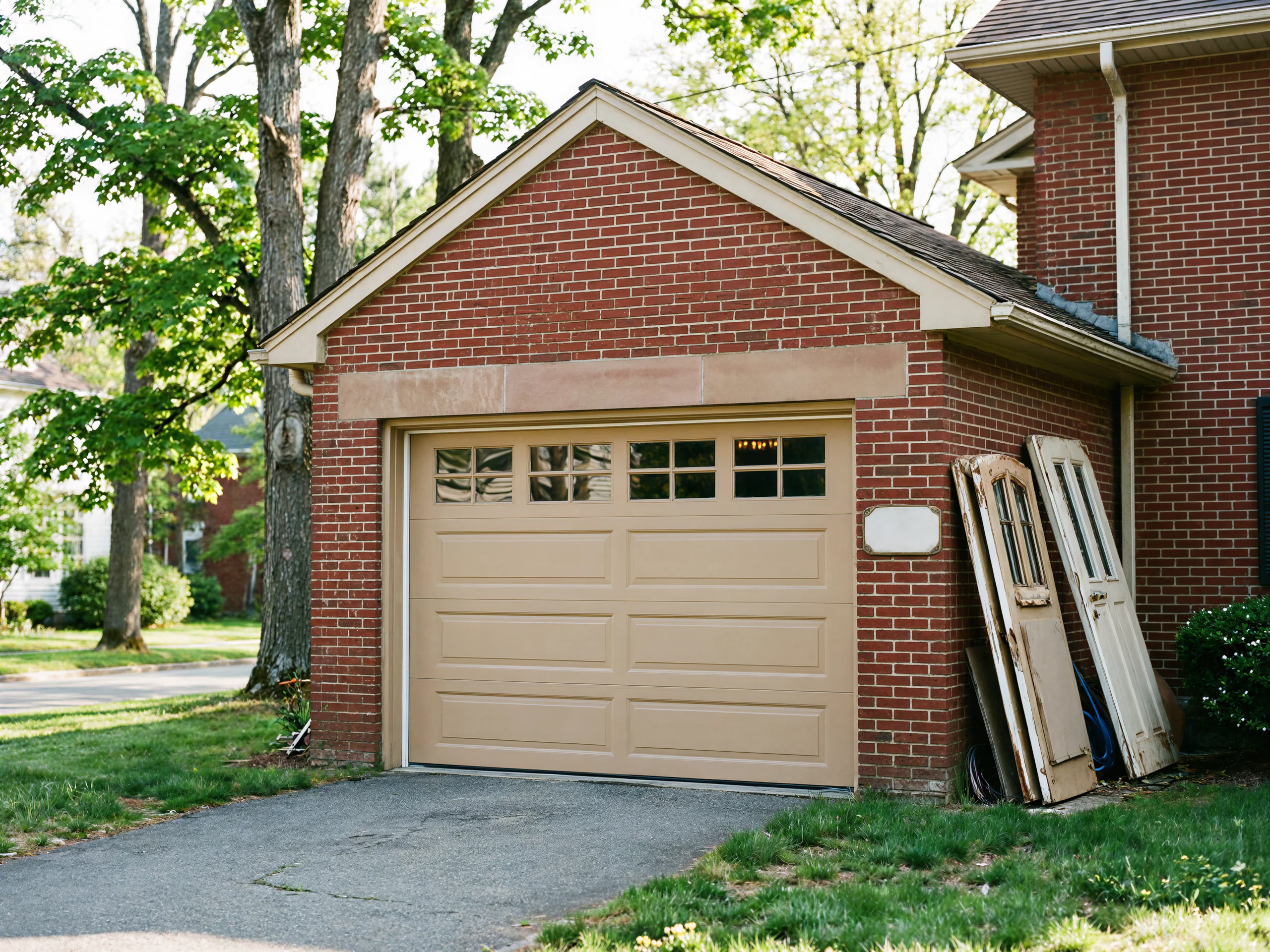
A tan garage door with windows is on a brick garage next to a driveway.
Serving Harrisburg, PABackground-checked techsHonest, upfront pricingFast local response

Booking

Booking a Visit

We run installs into Progress from our Harrisburg base, about 3 miles out, so there's no local branch to call - just a crew that comes to you.

  1. Measure and quote visits

    Because the drive is short, scheduling a measure-and-quote visit doesn't mean waiting on a window across town; we can usually fold a Progress stop into the same day as other calls in the area.

  2. Current door specs

    Bring us the make and rough age of your current door if you know it, and whether the opener is original - that one detail changes what we quote before we even step out of the truck. We'll confirm sizing on site rather than off a phone description, since openings from this era run narrower than what's sold off the shelf today.

  3. Pricing ranges reference

    If you're also looking at wider service-area context, our main Harrisburg installation page covers pricing ranges and process in more depth; this page is about what's actually on your garage in Progress. See our service area page for Progress for how we cover the rest of this pocket of the suburbs.

Warning signs

What You Are Seeing

A lot of garages in Progress date to right around 1960, which puts the neighborhood ahead of the broader service area's 1970 median build year.

Narrow opening sizing

That decade of difference shows up directly in the door: single-layer steel or wood-panel doors sized for openings narrower than the 16-foot doubles builders frame now, often running on hardware that was never upgraded past the original rollers and a single torsion spring sized light for its weight. If your door still looks original, it's not a design choice - it's just that nobody's replaced it since the house went up.

Condensation rust creep

These doors weren't built with any insulation layer, and in a climate band that sees severe cold stretches, that bare steel panel is the first thing to show stress: warping at the bottom section, rust creeping up from condensation, hardware that's seized from decades without lubrication in freezing temps.

Panel age mismatch

None of that is a flaw in the door's design. It's just the math of a 60-plus-year-old panel doing a job it wasn't built for in this weather.

Pricing

What It Costs

We don't have a Progress-specific price list to hand you, and quoting a number without seeing the opening would be a guess, not a fact. What we can tell you is what drives the cost on a house like the ones here: narrower original openings sometimes need frame work to fit a standard modern door, and if your opener is original to a 1960s install, it's almost never compatible with new door weight or mounting points, so that's often a second line item people don't expect. Progress households sit at a median income of $75,362, a bit under the Harrisburg-area service median of $79,688, and we mention that only because it's the kind of detail that should shape which door tier we recommend first - not every household here needs the top-end insulated model to solve the cold-weather problem the old doors have. Ask us for the breakdown by door class when we're on site; we'll walk the real numbers against your actual opening rather than a generic range.

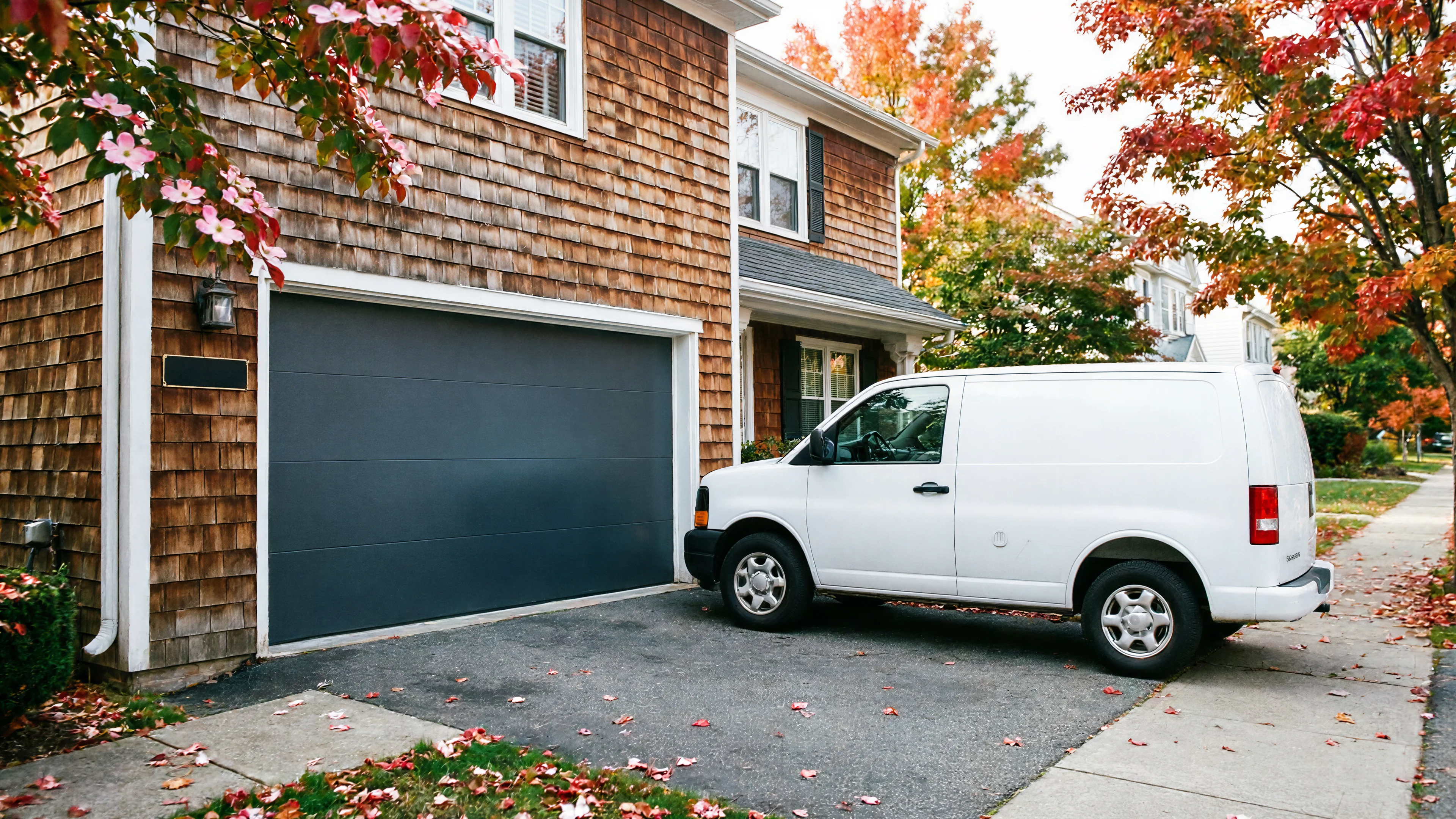
A white van is parked in a driveway next to a house with a dark gray garage door.

Local causes

Why This Fails Locally

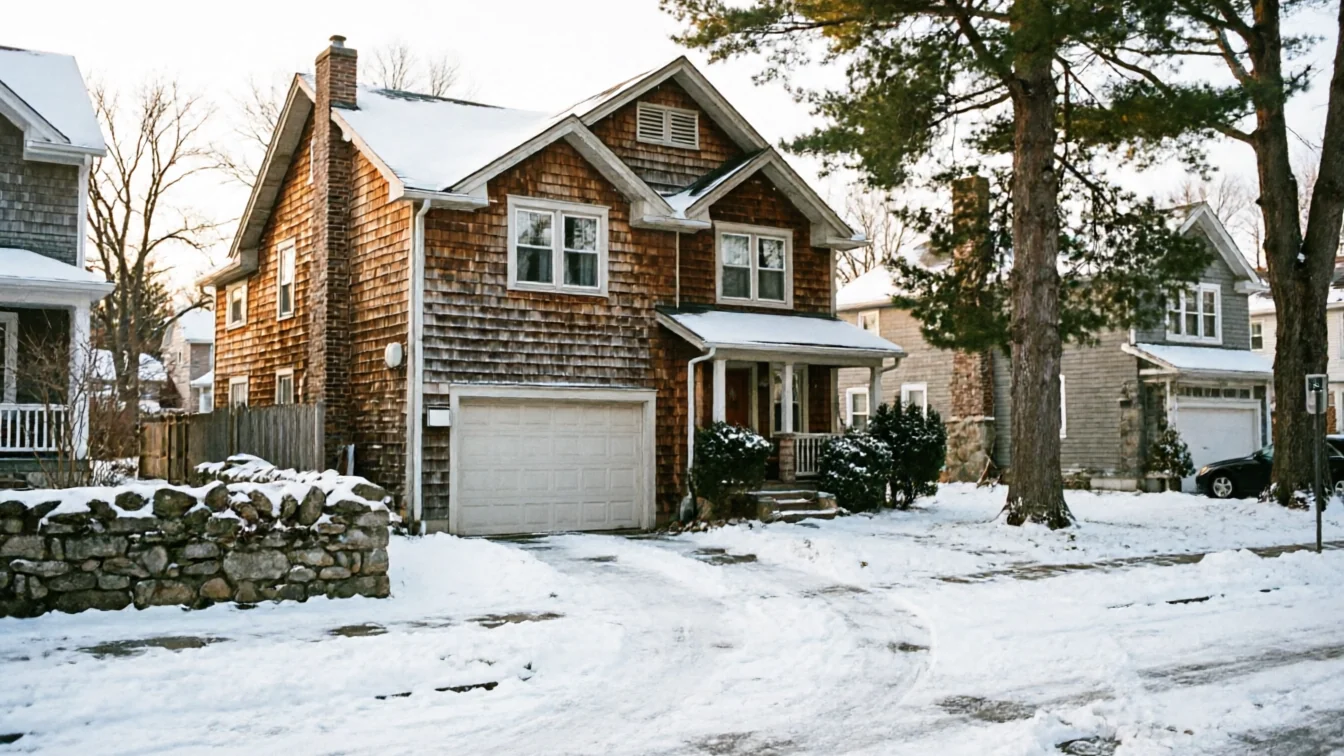
A two-story house with a white garage door and snow on the ground.

The failure pattern in Progress isn't random - it's tied to the age of the stock. A single torsion spring sized for a 1960s door, left in place for 60 years in a climate with severe cold stretches, loses tension faster than people expect, and when it finally lets go, it's often on the coldest morning of the year, because cold steel is brittle steel. Track misalignment follows the same pattern: slab foundations from this era have settled over six decades, and a door that was plumb in 1960 often isn't now, which shows up as a roller binding or a cable fraying against a track edge. With about 4,649 households in Progress, this isn't a handful of odd houses - it's the baseline condition for a meaningful share of the original garage stock here. One honest limit: if your opener and spring are original but your panel is still straight and rust-free, full replacement isn't always the right call - sometimes a spring and hardware job buys you several more years, and we'll tell you that instead of selling a door you don't need yet.
Questions

Common questions

Why does my 1960s garage door in Progress feel heavier than a new one?

Original doors from that era are usually single-layer steel or solid wood panel with no foam core, so they weigh more per square foot than today's insulated doors. Combine that with a torsion spring that's lost tension over 60 years, and the door feels like it's fighting you - because the spring is no longer carrying its share of the weight.

Will a new door fit my existing opening without any framing work?

Sometimes, but not always. Openings framed around 1960 often run narrower than today's standard sizes, so a new door can require minor frame adjustment to fit properly. We check this on site before quoting, rather than assuming a stock size will drop straight in.

Do you have a branch location in Progress?

No - we cover Progress from our Harrisburg base, about 3 miles away. There's no separate depot here, but the short distance means we can schedule visits without the long lead times a farther-out town might face.

Is it worth replacing the opener at the same time as the door?

If your opener is original to a 1960s install, almost certainly yes - older openers aren't built for the weight or mounting hardware of current doors. Pairing them with a new door without checking compatibility is one of the more common mismatches we see on houses this age.

Explore more

More Services in Progress

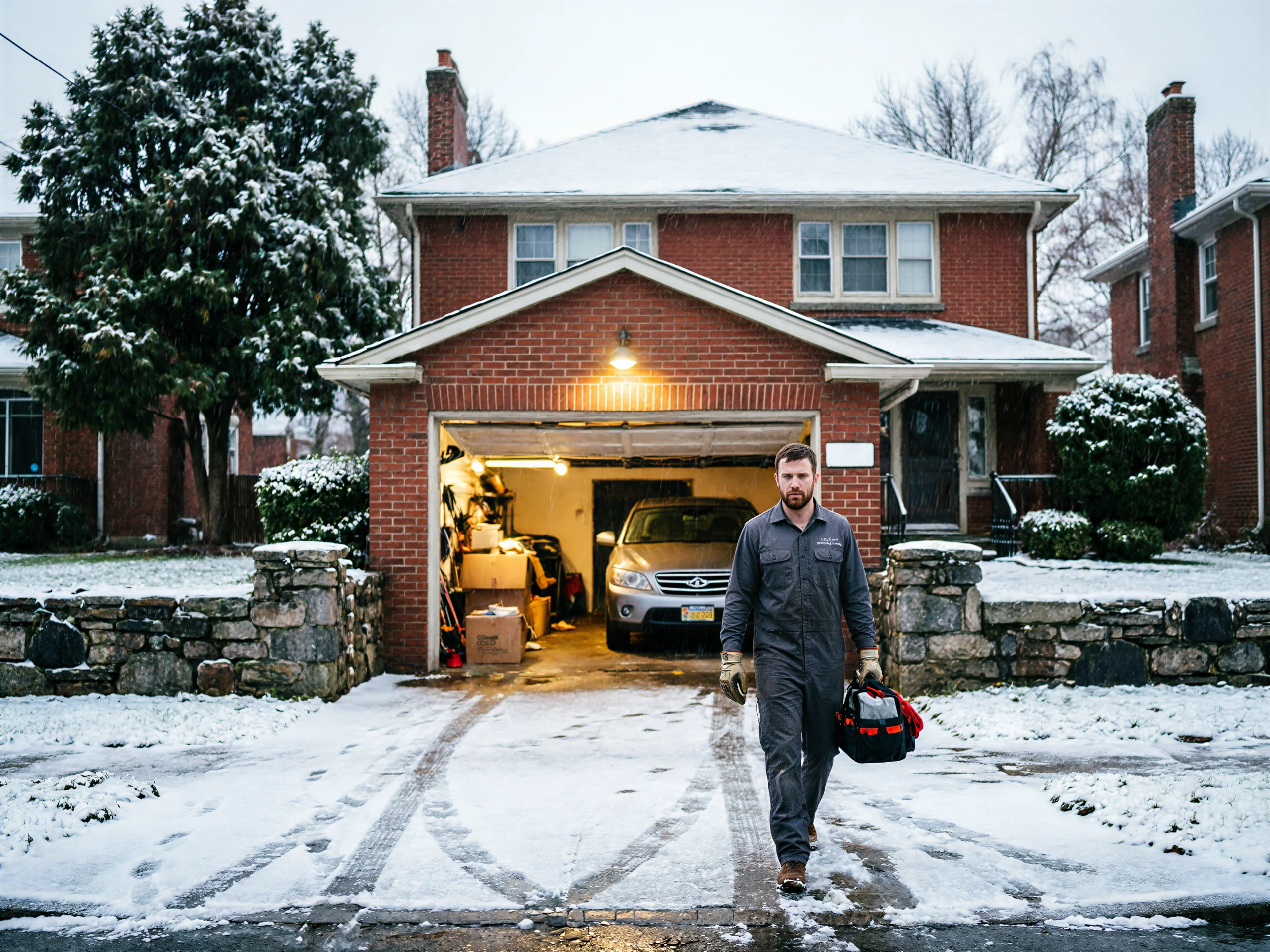
A technician walks away from a house with an open garage on a snowy day.

Emergency Garage Door

Progress homes went up mostly around 1960, which means original extension-spring hardware fighting severe cold. Learn more →
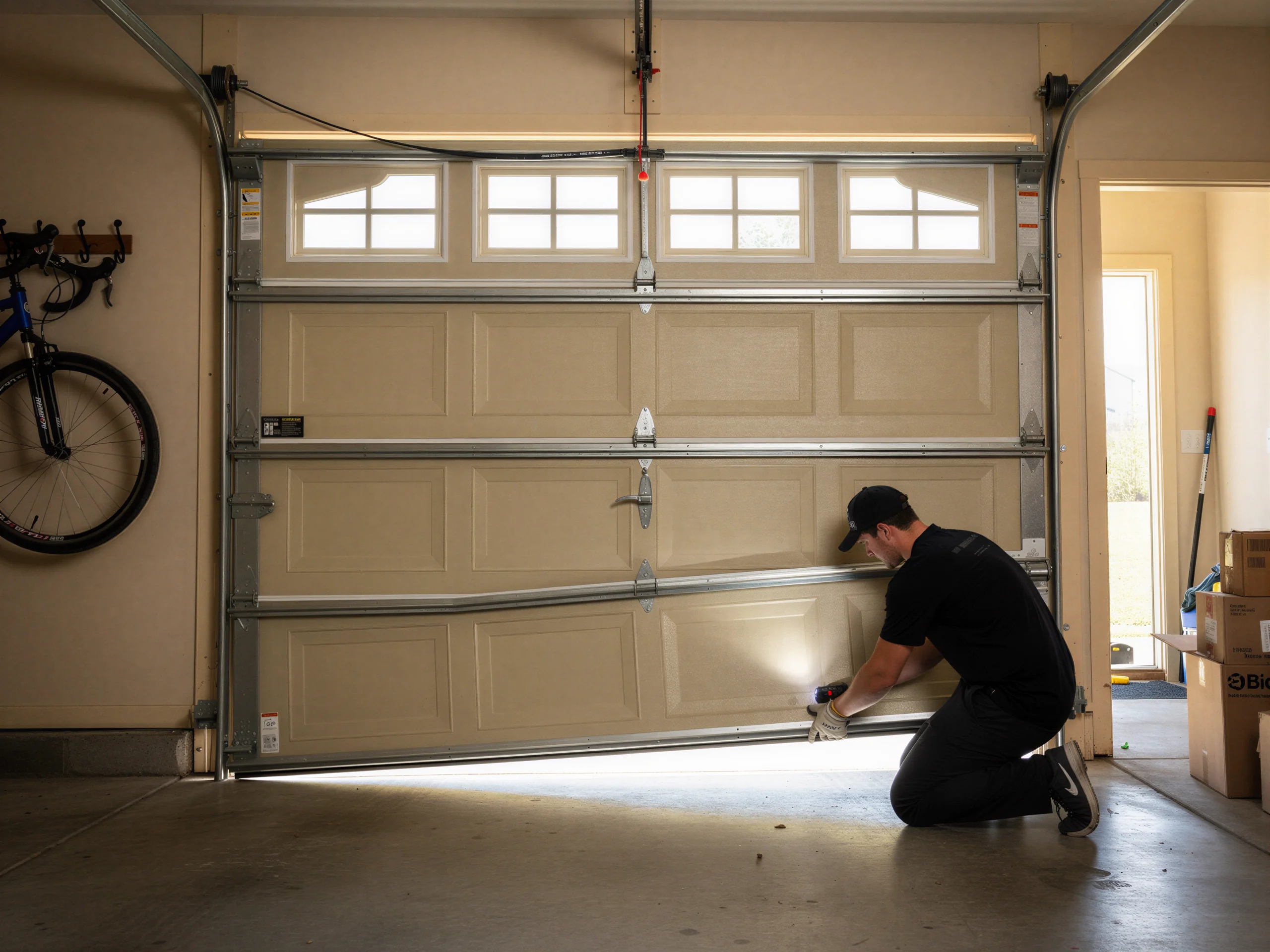
A technician kneels, inspecting a damaged beige garage door with a flashlight.

Garage Door Repair

Progress homes built around 1960 run original torsion hardware that wasn't built for Harrisburg-area winters. Learn more →
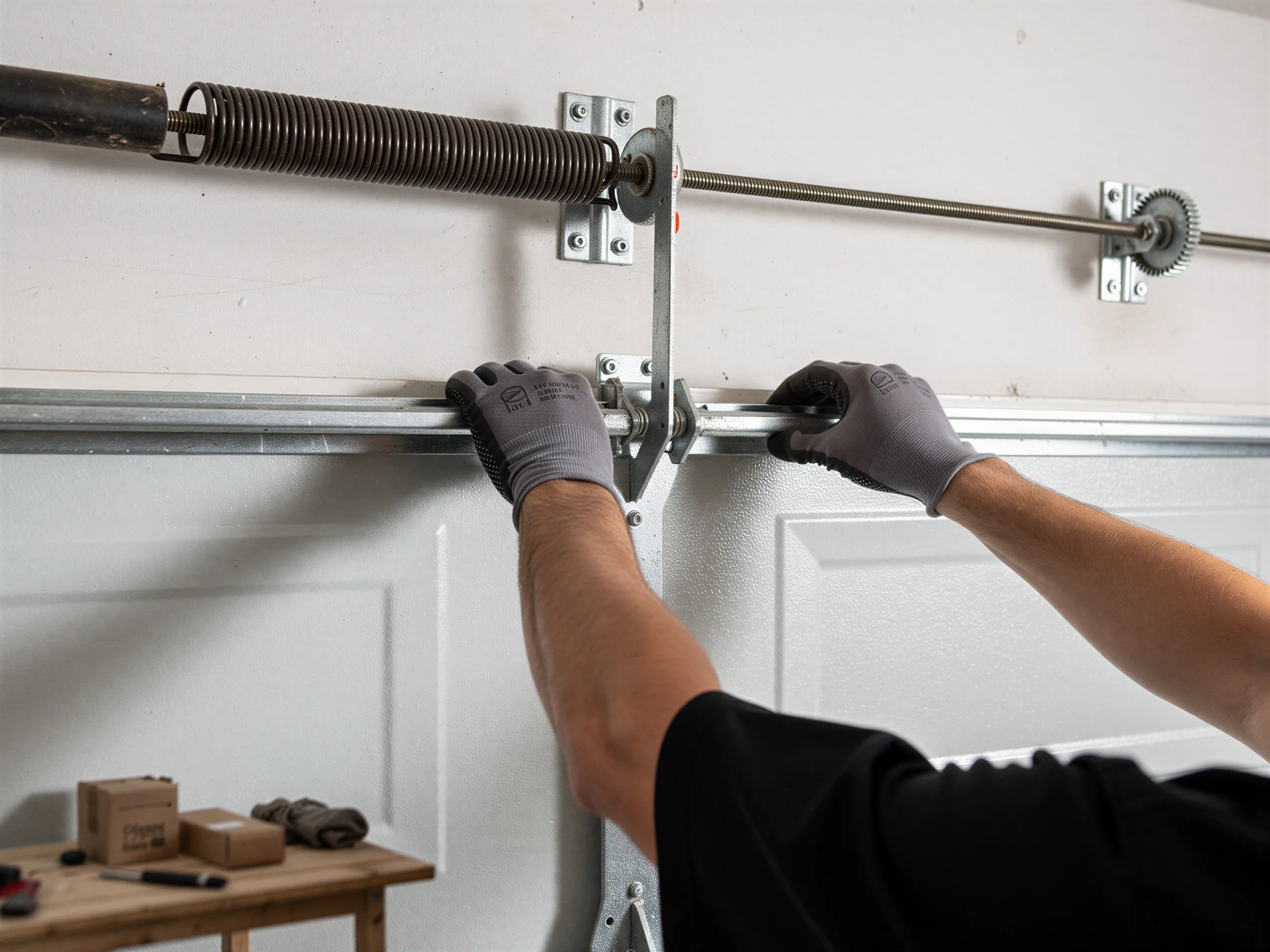
A technician wearing gloves adjusts the top panel of a white garage door.

Garage Door Service

Progress homes went up around 1960, which means a lot of original torsion hardware still hanging on. Learn more →
A technician wearing gloves adjusts the top panel of a white garage door.

Maintenance

Progress sits 3 miles from Harrisburg with most houses built around 1960. Learn more →
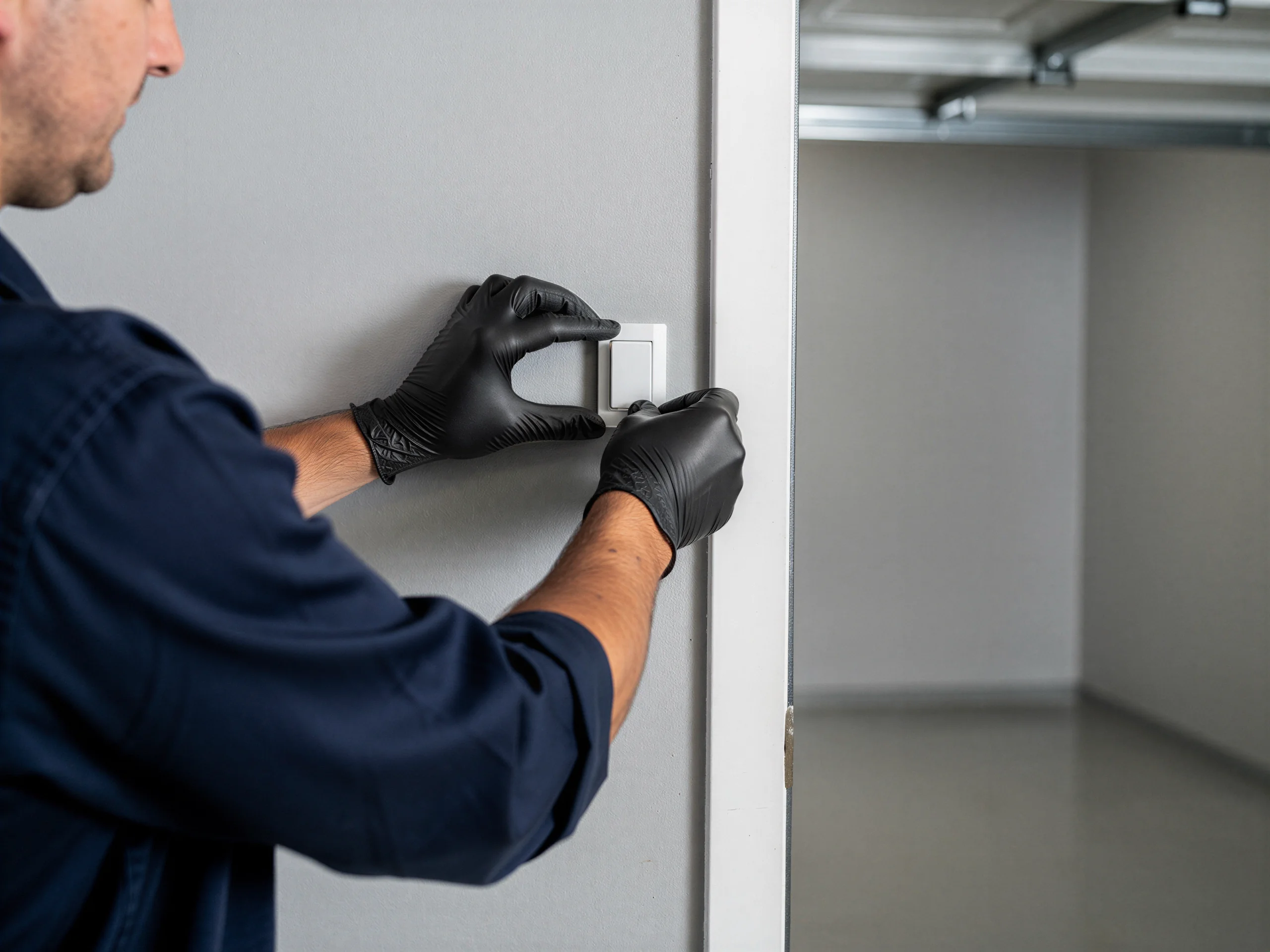
A technician in black gloves installs a white light switch on a gray wall.

Opener Installation

Progress, PA has about 4,649 households and homes built mostly around 1960. Learn more →
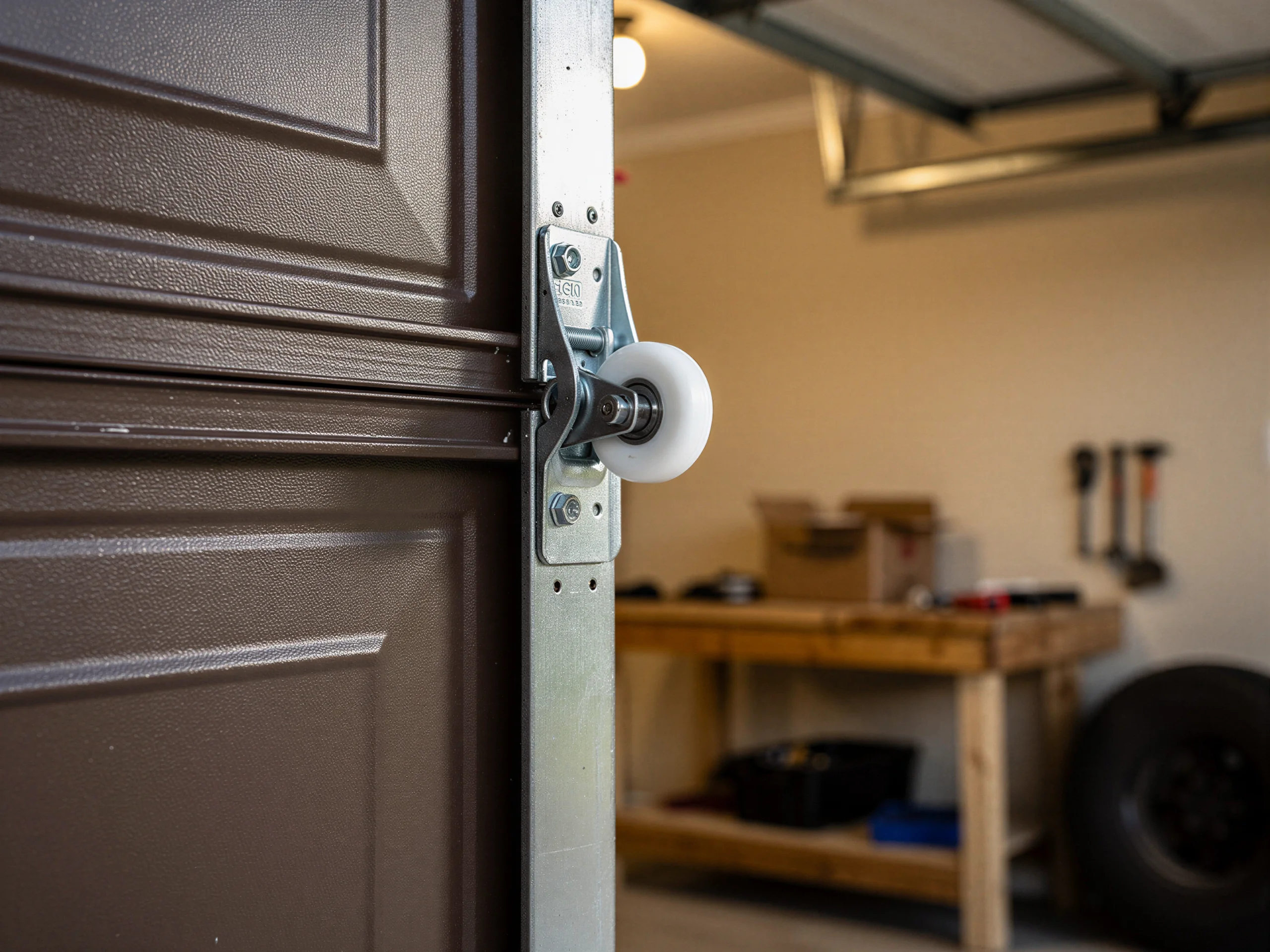
A white roller is attached to a brown garage door.

Roller Replacement

Progress homes run mostly 1960s-era doors with steel rollers near the end of their life. Learn more →
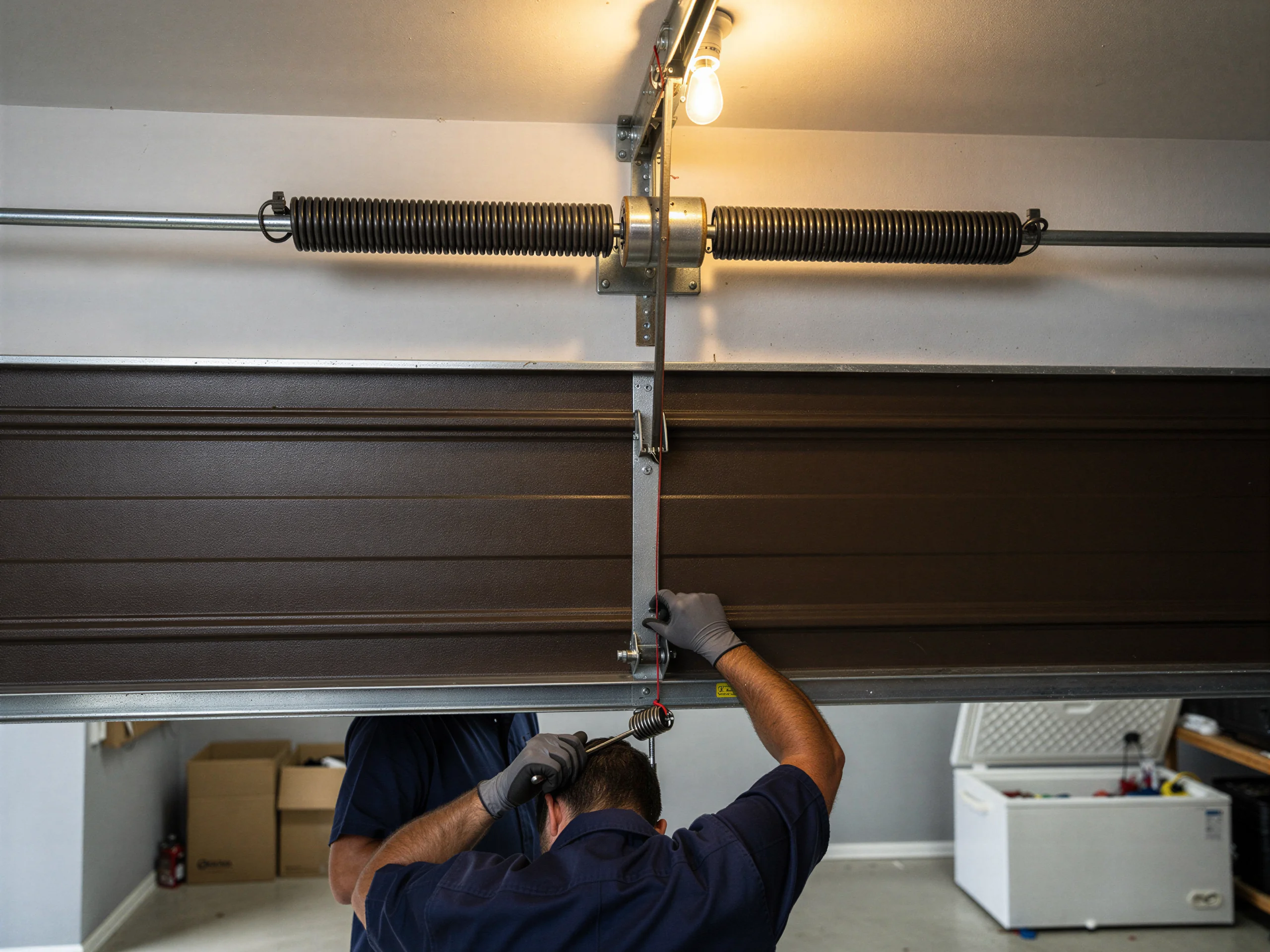
A technician in gray gloves works on a brown garage door with a torsion spring.

Spring Repair

Progress homes went up around 1960, a decade earlier than much of Harrisburg's stock. Learn more →

Ready when you are

Need a garage door sorted in Harrisburg?

Harrisburg Garage Door Pros repairs and installs garage doors, springs and openers in Harrisburg, PA and the surrounding area.

Call NowGet a quote